Cocoa
Theobroma cacao
Family : Sterculiaceae
History
The cocoa tree is thought to have originated in the Amazon basin and spreading to Central America particularly to Mexico. It was known and used by the natives in the region, such as Olmec and Mayas, and they considered it as the “food of gods”. Cocoa seeds were used as currency by the Aztecs who also enjoyed a type of bitter chocolate drink. Christopher Columbus discovered cocoa beans in America but only after 20 years later, Hernando Cortes discovered the bitter drink used by the Aztecs and sent the beans and recipes back to King Charles V of Spain. The Spanish refined the recipes adding sugar and heating the ingredients to improve the taste. By 1828 the cocoa press was developed, allowing the extraction of cocoa butter. Later around 1879 The Swiss developed both milk chocolate and solid chocolate. By 1800’s European Colonial rulers introduced cocoa to their colonies and after that, it was developed in Africa and Asia as commercial plantations.
Products and Uses
Cocoa is mostly processed into chocolate and cocoa products using a wide range of intermediate products such as cocoa liquor, cocoa butter, cocoa cake and raw cocoa powder. Chocolates can be further divided into real chocolates (which uses only cocoa butter as the fat, and hence have better quality and is more expensive) and compound chocolates (uses other vegetable fats in place of the cocoa butter). Bulk of the tropical and Asian market is compound chocolates.
Cocoa powder is essentially used in flavouring biscuits, ice cream and many other dairy products, drinks, cakes, and in the manufacture of coatings for confections and frozen desserts. It is also used in the beverage industry. Cocoa butter is used in the manufacture of chocolates, soap, cosmetics and medicinal products. In some countries, cocoa pulp juice is fermented and used in manufacturing of industrial alcohol, and alcoholic beverages such as brandy and wine. The pod husks are used in preparation of animal feed. The husks and shells are also used as a renewable energy source and in preparation of bio-diesel.
Major Growing Areas
Suitable conditions for growing cocoa are found in the Central, North Western, Sabaragamuwa, Uva, Western and Southern provinces of Sri Lanka. Cocoa can be considered as the most important tree crop for underplanting coconut and rubber provided suitable soils exist. Mid-country intermediate zone is best agro-ecological zone for both growth and yield of the crop. The total extent of cocoa in Sri Lanka is 1805 ha and Matale, Kandy, Badulla Kurunegala, Kegalle, and Monaragala districts are the main cocoa growing districts.
Varieties
Soils and Climatic needs
Soil
Cocoa prefers deep, well-drained clay loam soils rich in organic matter. In Sri Lanka, the immature brown loams and reddish brown latosolic soils provide ideal conditions. Scattered stones and pebbles are tolerable up to 40% of the surface. Coarse gravelly soils, sandy soils, shallow soils, soils underlain by slab rock or hard laterite are unsuitable.
Climate
Altitude: up to 600MSL
Temperature: Cocoa plants mostly prefer relatively high temperatures (mean annual temperature around 24-27 oC) without much diurnal fluctuations. But cardinal temperature range is between 210 – 320 C
Rainfall: A well-distributed rainfall of 1250-2500 mm is required and rainfall exceeding 2750 mm would favour fungal diseases, especially pod rot. Rainfall less than 100mm per month is considered as dry for cocoa.
pH: 5-6.5 is recommended, but the best pH range is 6.0 – 6.5.
Atmospheric humidity:
Wind – Frequent winds are harmful as it decreases humidity. But mild wind currents through main crop (Coconut or rubber) are encouraged during day time because it affects on crop productivity due to supply of continuous CO2 for enhancing photosynthesis which directly affect on crop yield.
Shade: Relatively dense overhead shade (40-50%) is essential during first 02-03 years of plant growth. Thereafter the shade can be removed with the spread of canopy and 35-40 % shade is adequate for grown-up cultivations. If the shade available under rubber, coconut or forest trees is not sufficient during field planting stage, quick growing trees such as banana or papaya should be established for temporary shade. When crop is maintaining as a mono-crop permanent shade should be formed by using Dadap or Gliricidia tree species accordingly.
Crop establishment
Planting material
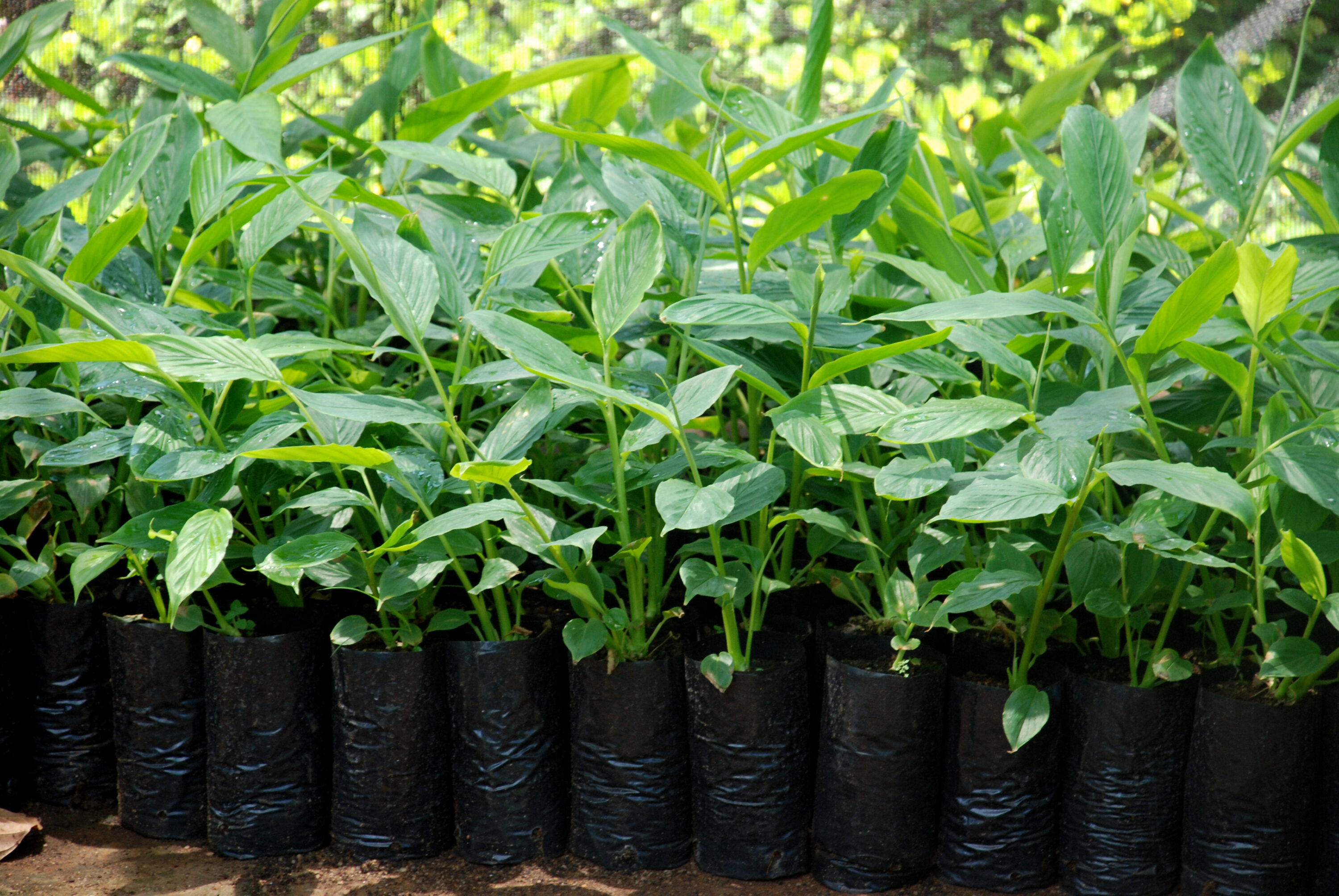
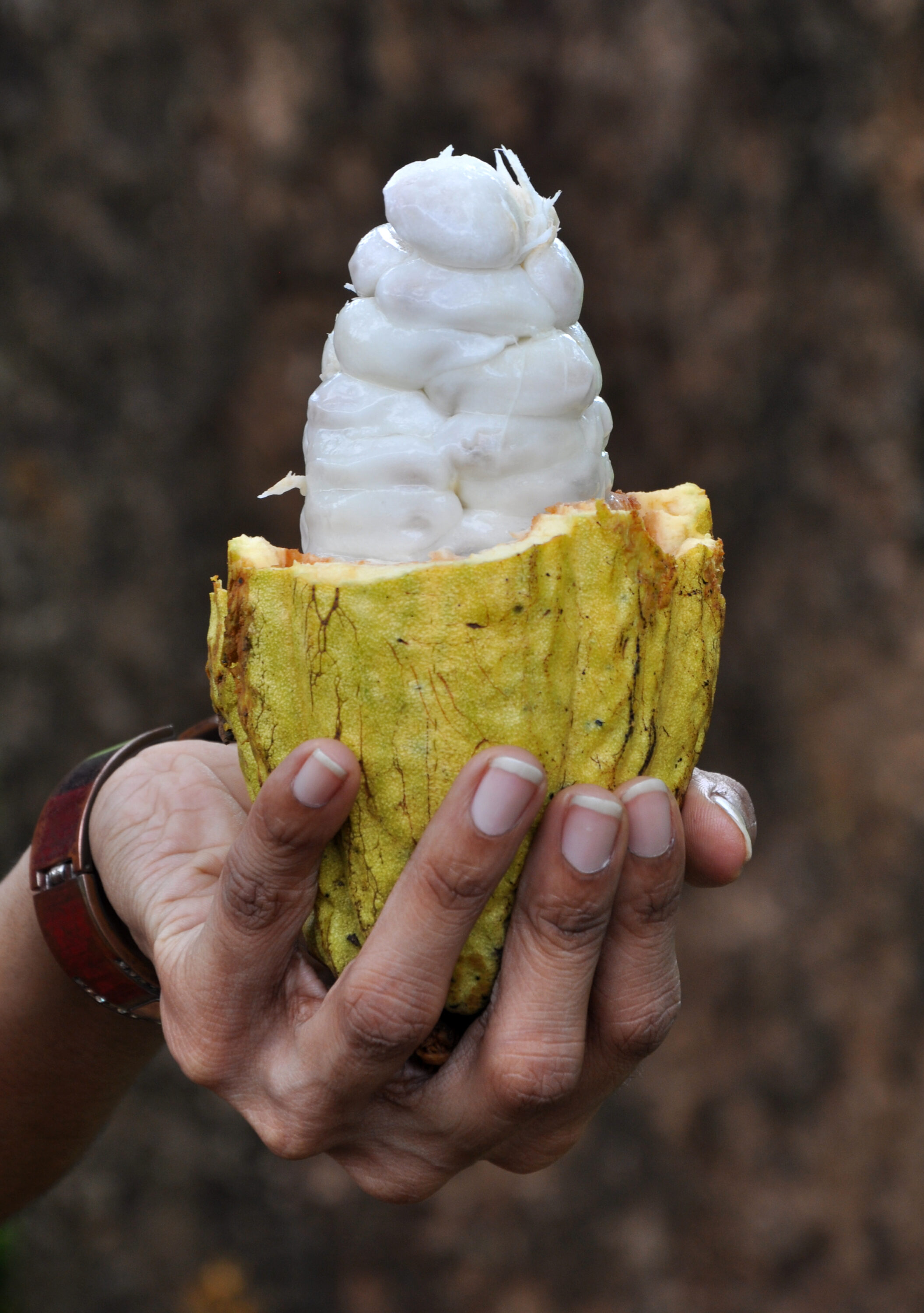
Seeds are normally used for production of planting material. Ripen pods, taken from selected cocoa lines, are opened to get fresh and mature seeds. Then seeds are mixed with sand, coir dust, paddy husk or similar material and rub well to remove the mucilage whish outer covering of seeds. Seeds can be sown in a sand bed or can be directly planted in a poly bag filled with an equal mixture of topsoil, cow dung, coir dust and sand. To increase the germination rate and reduce time taken for germination, advice to remove the seed coat very carefully and sowing vertical position as blunt end (radicle end) down. If sown in a sand bed, seedlings should be replanted in a poly bag. Bud grafted cocoa plants are also used as planting material especially in multiplying high yielding varieties.
Spacing:
For monoculture – 10’x10’ (1100 plants/ha)
Intercropping with rubber – Rubber spacing – 12’x20’ or 8’ x 27’ Cocoa spacing in rubber – Single cocoa raw with 8’ or 10’ spacing
Intercropping with coconut – 26’x26’
Cocoa spacing in coconut – Single cocoa raw with 10’ spacing
Field Planting
Planting is done with the onset of monsoon rains. After the land preparation seedlings are planted in pits of 11/2’ x 11/2’ x 11/2’ in size and filled with topsoil and cow dung. Temporary shade should be provided if there is no adequate shade in the field at planting time.
Crop management
Weeding
When the cocoa plants are young regular weeding (4-5 times a year) is necessary. When cocoa trees are grown weeding once or twice a year is sufficient.
Fertilizer application
Recommended mixture – 770 kg / ha at the density of 1100 plants/ha
Components of the mixture | Parts by weight | Nutrient in the mixture |
Urea (46% N) | 4 | 14% N |
Rock Phosphate ( 28% P2O5) | 5 | 11% P2O5 |
Muriate of Potash (60% K2O) | 3.5 | 14% K2O |
Kieserite (24% MgO) | 1 | 2% MgO |
Age of plantation | Maha Season (mixture Kg/ha) | Yala Season (mixture Kg/Ha) |
1st Year (kg) | 137.5 | 137.5 |
2nd Year (kg) | 275 | 275 |
3rd Year and onwards (kg) | 385 | 385 |
Mulching is beneficial to conserve soil moisture, prevent soil erosion and to supply additional nutrition. First 2-3 years gliricidia mulches are most suitable but after 4 years cocoa leaves and cocoa pods are also can be recommended as a suitable mulching material.
Pruning and canopy maintenance
Removal of water shoots and canopy maintenance are the utmost management practice for increasing yield of cocoa. All water shoots, which are developing from the main stem, should be removed with 5 – 6 weeks interval. These water shoots have high dry matter partitioning rate and affect badly on fruit set, fruit growth and seed filling. When the water shoots are small stage easy to remove and then will not depress the yield. All dead branches, dry twigs and drooping branches should also be removed. Since cocoa has larger and thick leaves, light penetration into lower canopy levels is not efficient. Therefore, to improve the light use efficiency Leaf Area Index – LAI (Simply number of leaf layers) of the plant canopy should be maintained at 3 – 4 level accordingly by proper canopy pruning practices. If the shade for cocoa plants is more the 50%, shade trees should be pruned and 40 – 50 % shade level should be maintained.
Crop Protection
Diseases
Pod rot disease
Initial symptoms are small brown lesions with water-soaked appearance. If the humidity remains high brown lesions spread very fast. As the disease develops a light bloom of sporangia is produced about 1cm behind the advancing margin of the lesion. It is advised to remove all infected pods and destroy them, spray 1% Bordeaux mixture or any other copper fungicide to control the disease. Removal of excess shade, water shoots and as well as the unwanted branches are also recommended to control the disease by maintaining the proper humidity inside the canopy.
Swollen Shoot Disease
A characteristic symptom of the disease is the swelling of branches and production of leaves with mosaic symptoms. It is caused by a virus and transmitted by mealy bugs. However, in Sri Lanka disease is caused by a mild strain hence the economic loss is negligible. The disease can be controlled by removing infected plants and, controlling mealy bugs and avoiding the use of planting material from infected plants.
Pests
Cocoa capsid bug – (Helopeltis ceylonensis,De Silva)
Nymphs and adults suck the cell sap from pods, immature leaves and stems. Small black colour circular shape, moist spots can be seen on pod surface due to sucking of insects. If pods are immature (age less than 2 months), they will dry and drop to the ground or fungus enter to the pod as secondary infection and decay the pods. Sucking juice from pods over four months of age does not cause any harm. When damage to the tender leaves, wither and dry the growing shoots of that damage plants. To control the capsid bug damage, maintain the shade of cocoa field about 40%, use of sticky trap to catch the insects, maintain field sanitation are more important.
Scale insects- Planococcus citri, Risso
Adults and nymphs suck the cell sap from immature shoots and stem of the cocoa pods and act as a carrier of the Cocoa Stem Swollen Virus (CSSV). Damage from these insects is not so direct. Ants carry the scale insects everywhere due to honeydew, which secrete by themselves. To control the insects cut and burn infected plant parts. If ants are there, need to control the ant colonies. After removing of highly infected plant parts apply recommended insecticide with the guidance of DEA.
Stem borer is a minor pest of cocoa cultivation and damage is not severe.
Harvesting and Post Harvest practices
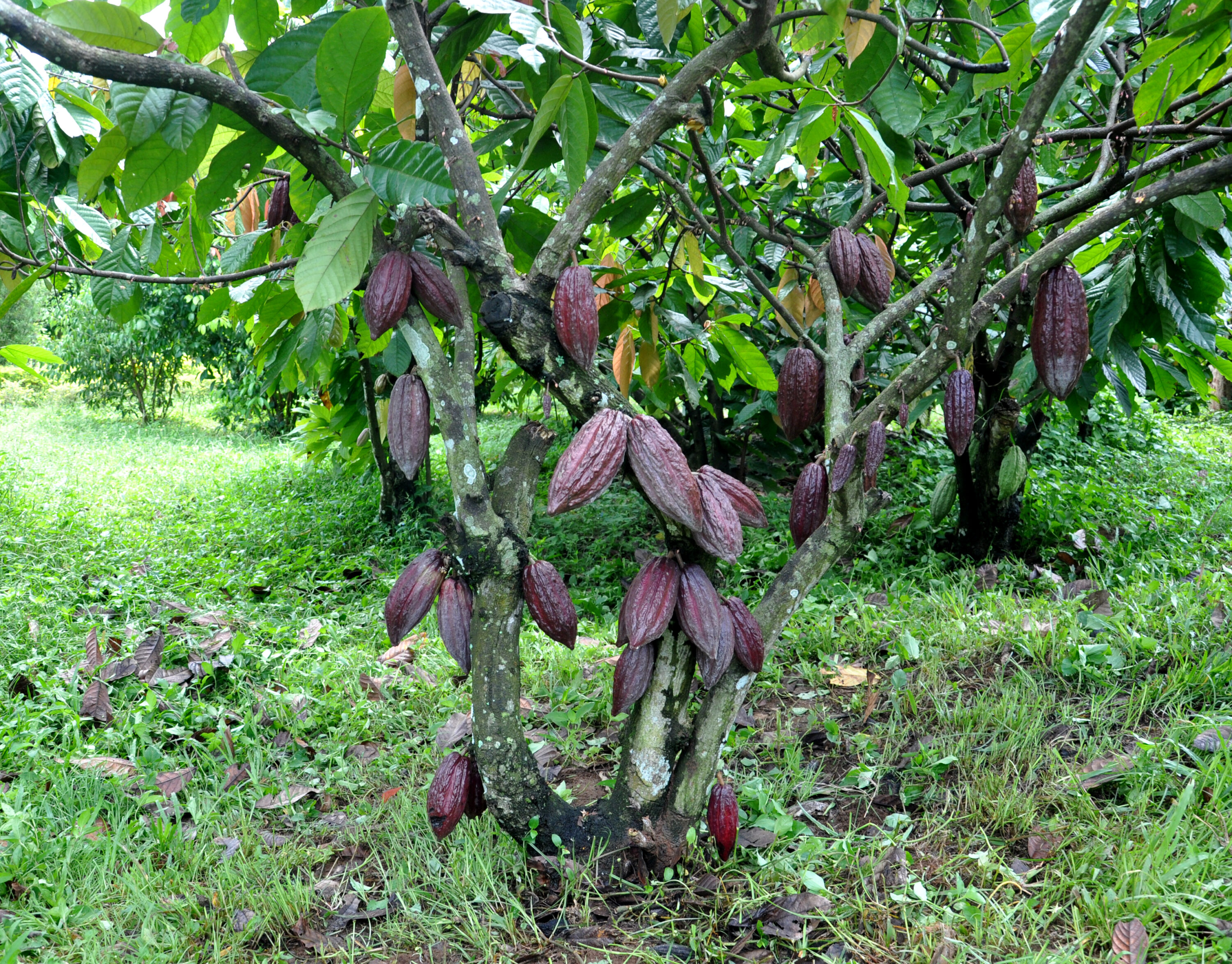
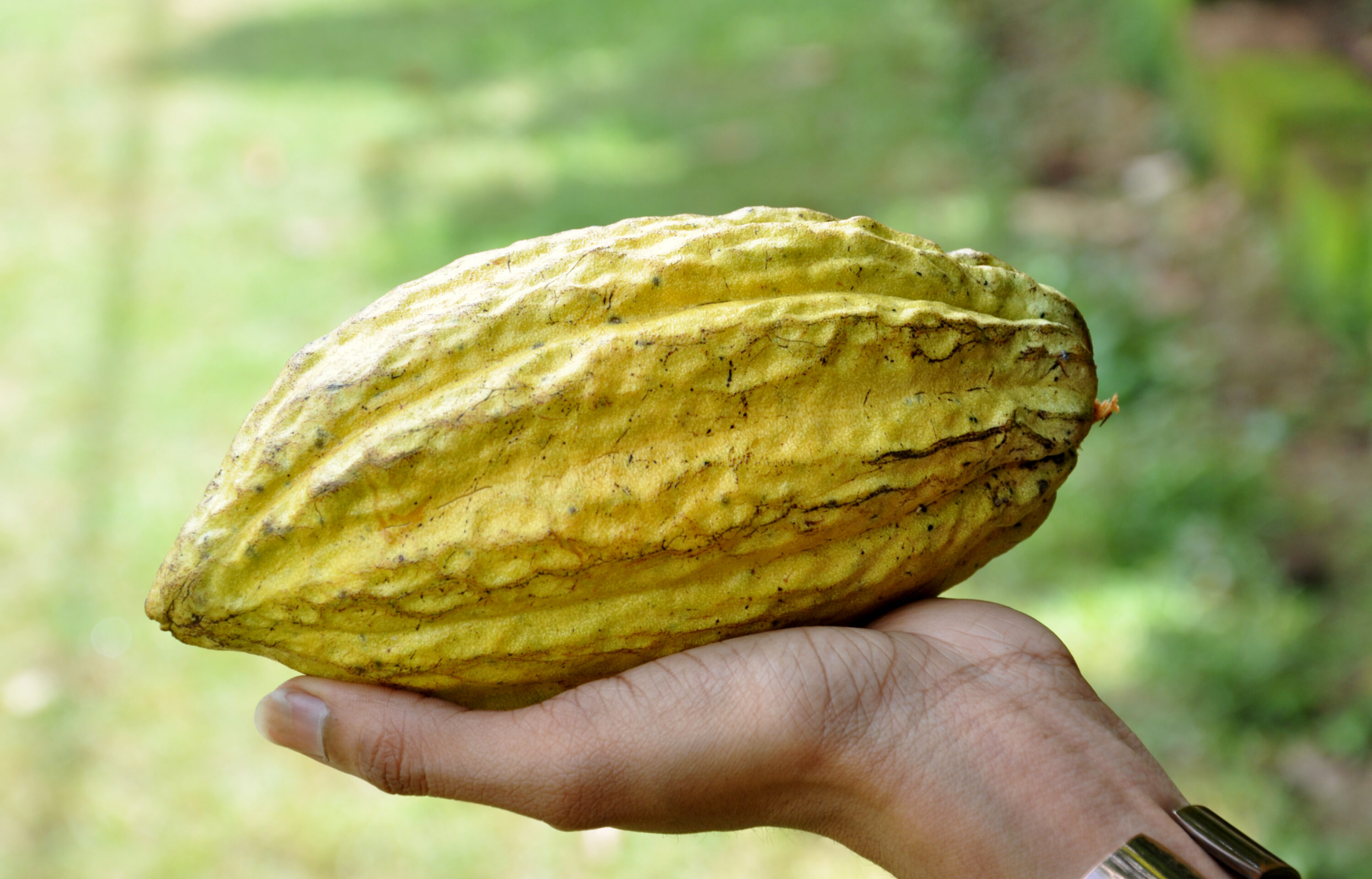
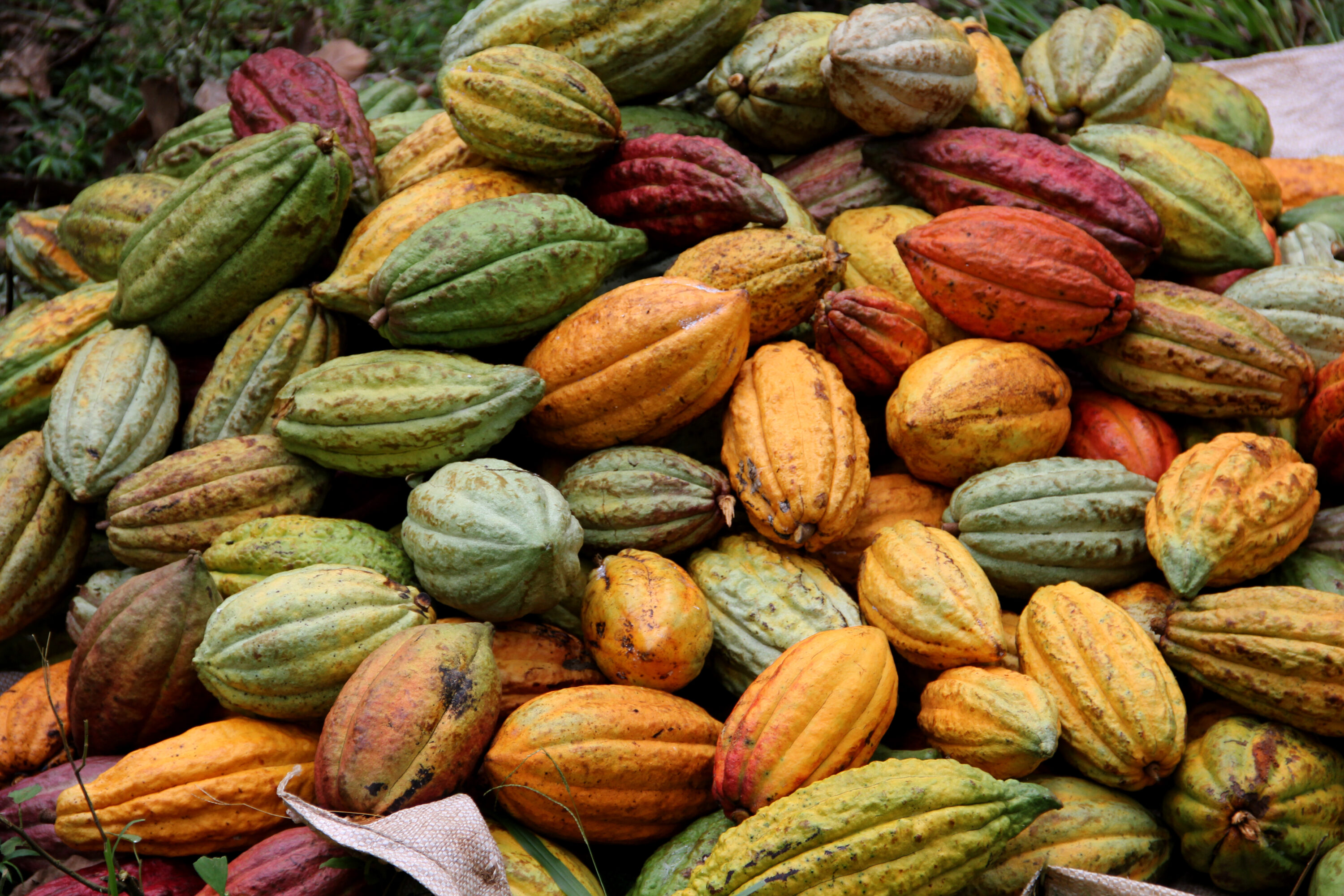
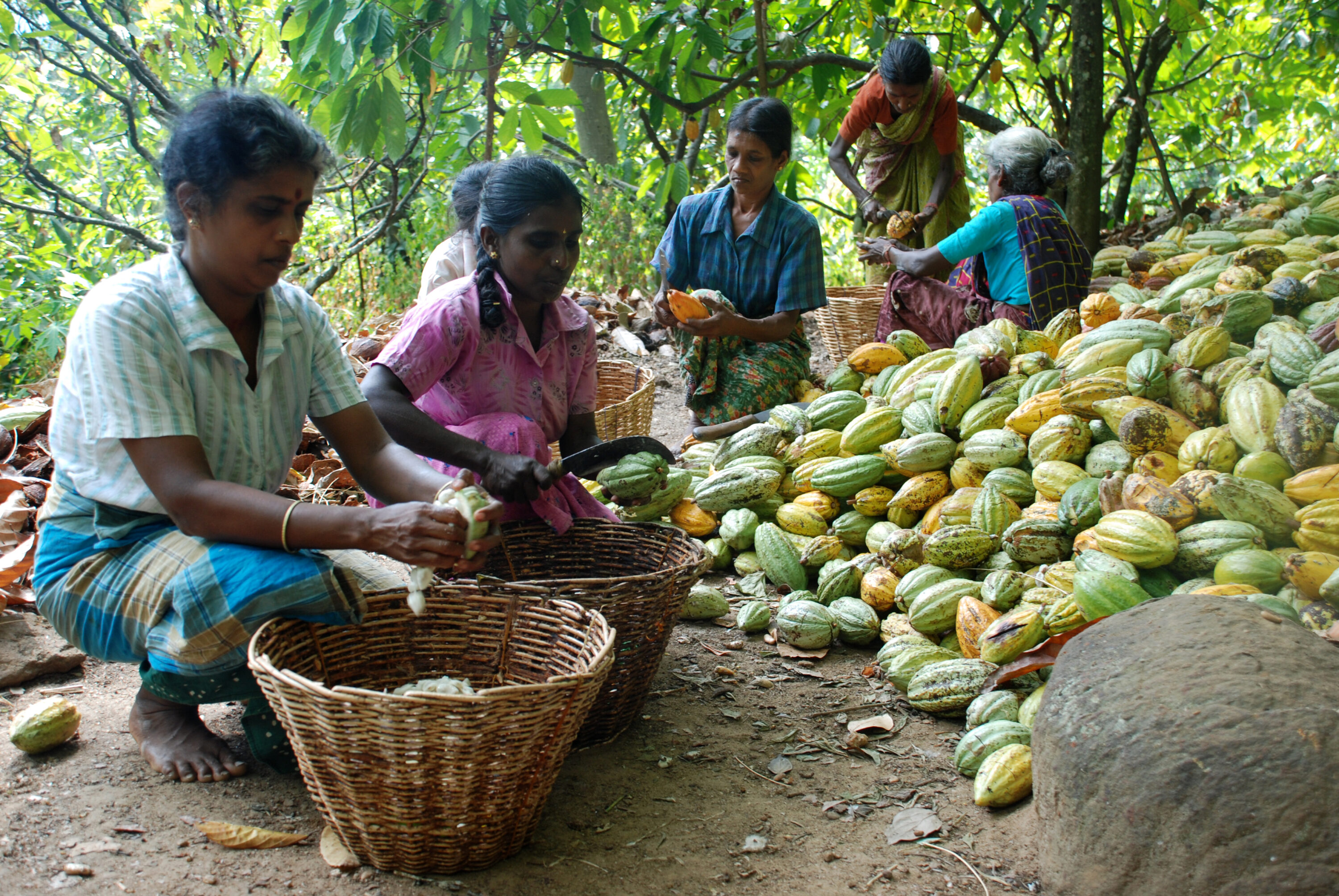
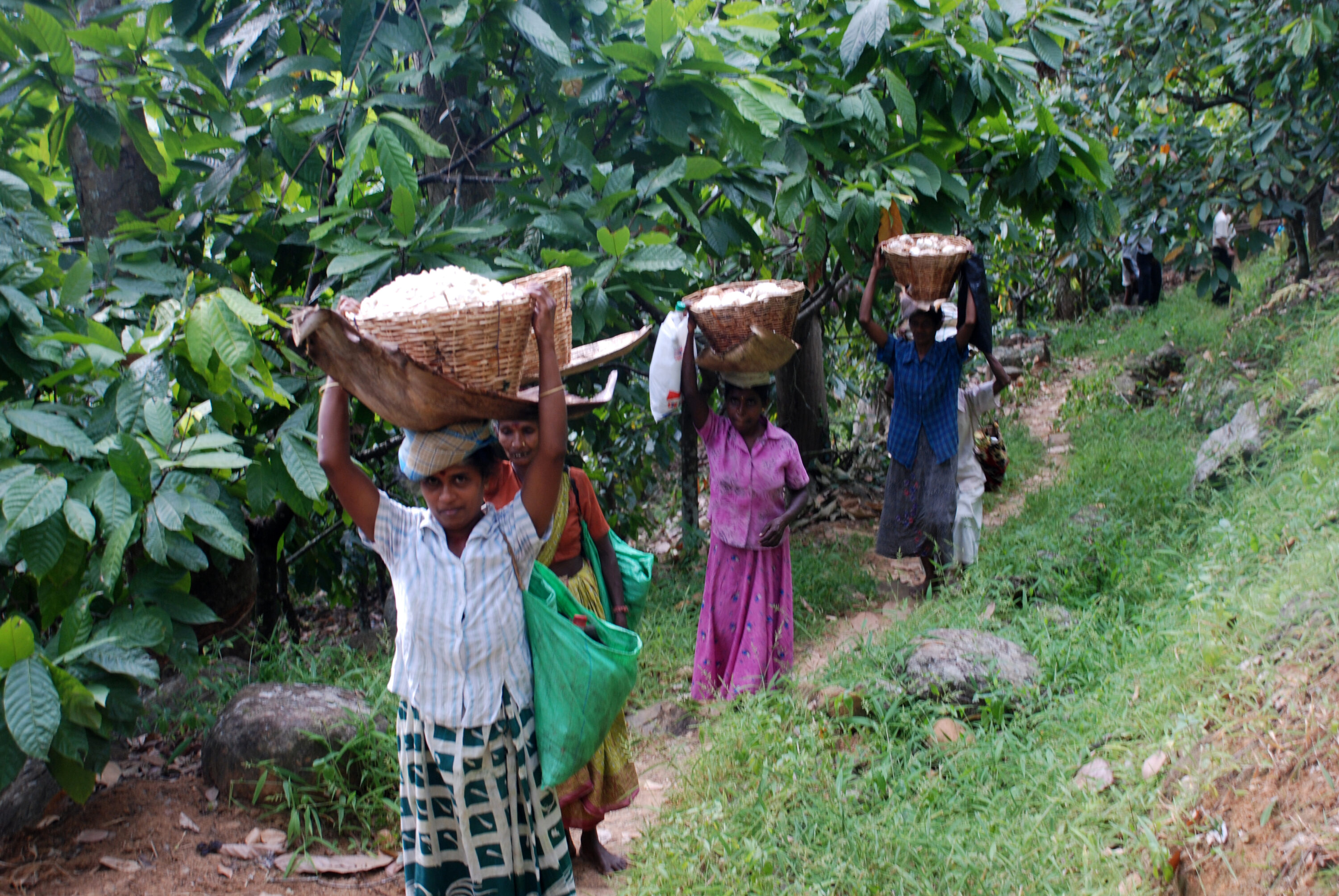
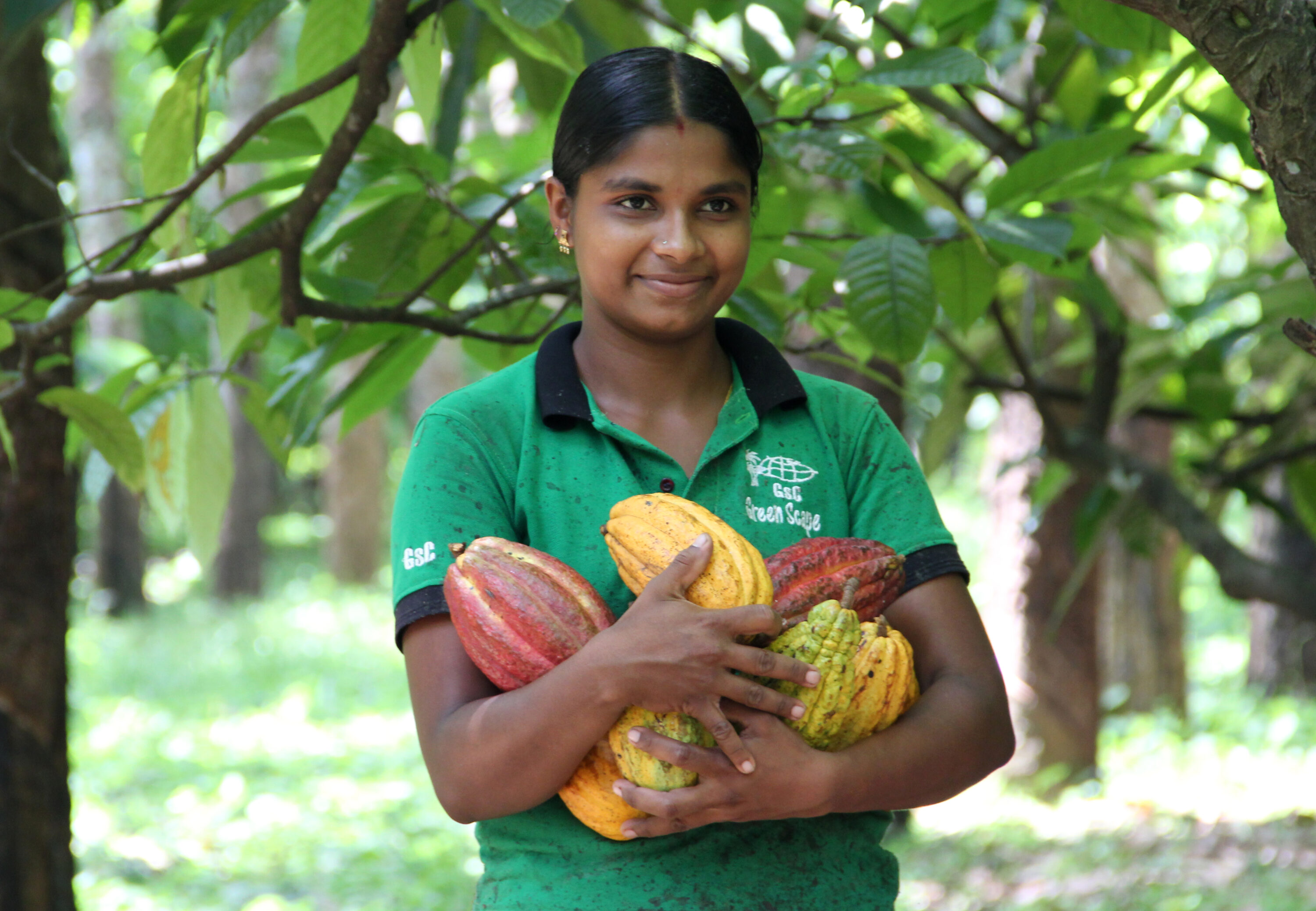
Trees start bearing during the 4th year of crop. Fruits take about 5-6 months to develop into maturity. Only fully ripened fruits, which are in yellow to orange in color, are harvested using a sharp knife. Open the pods as soon as possible after picking, preferably using a wooden mallet and seeds should be collected into gunny bags.
Processing
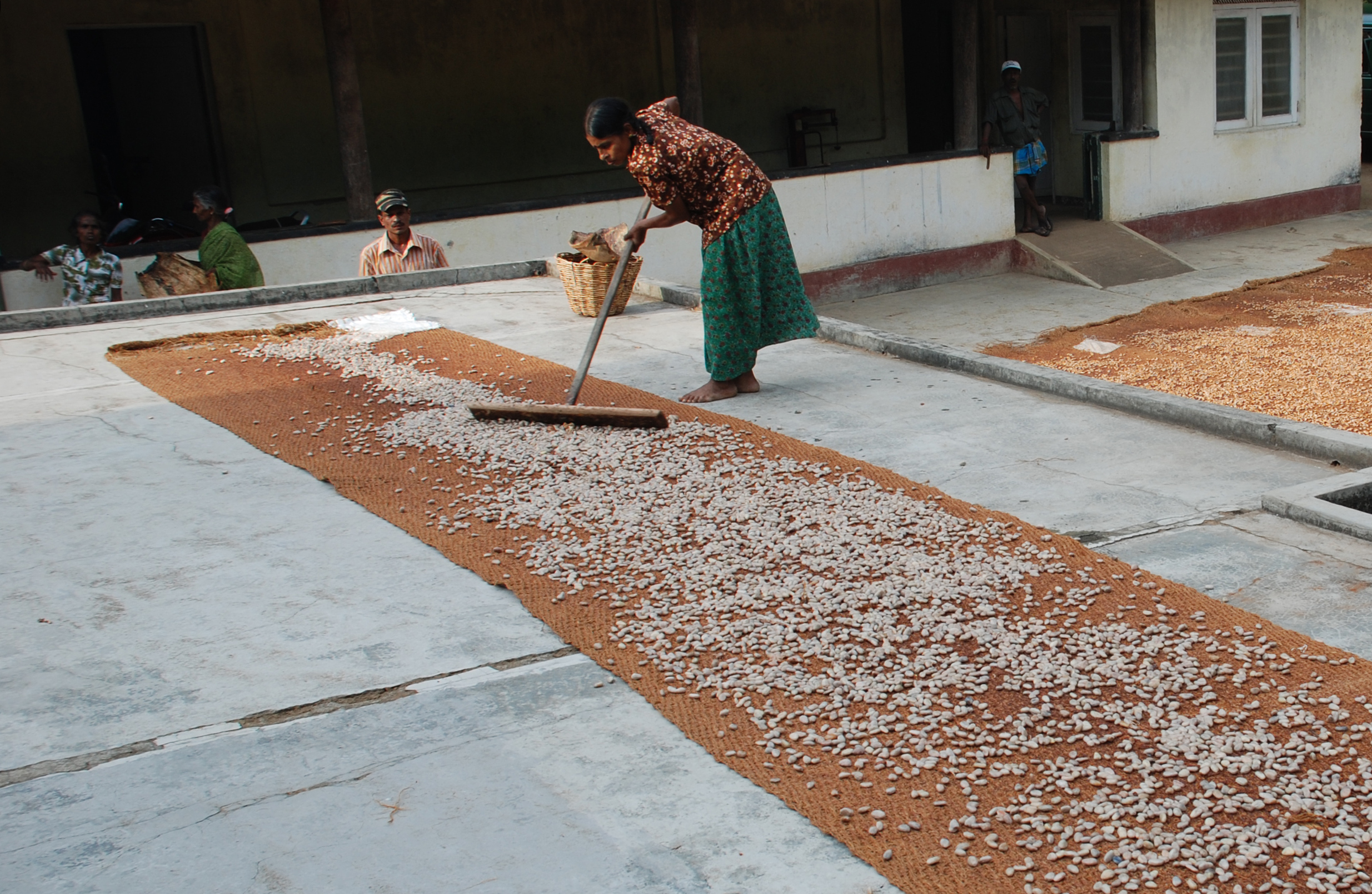
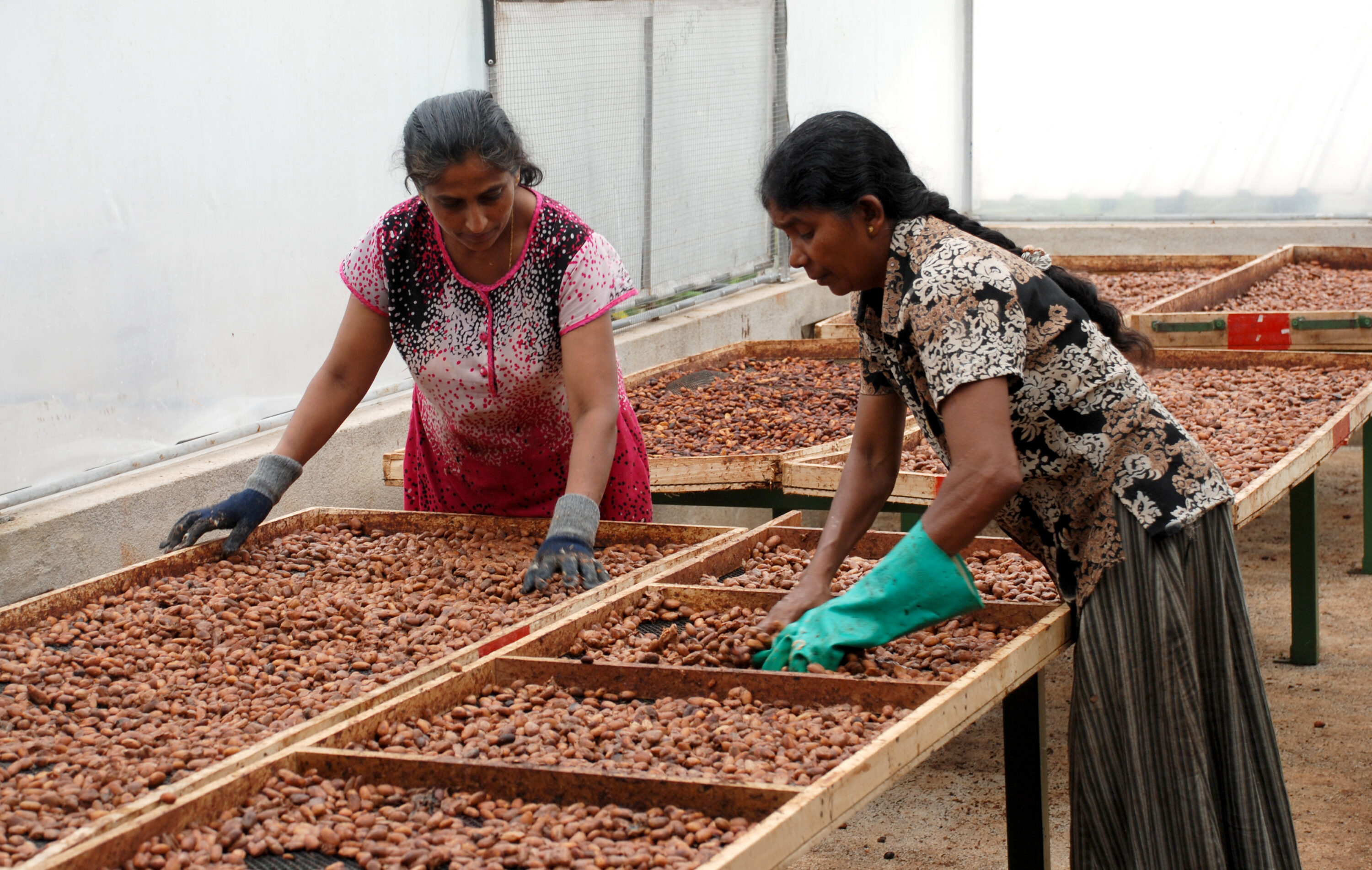
Cocoa beans have little commercial value if they are not properly fermented and cured. The principle behind the fermentation is to kill the embryo and only after that process the flavor and aroma are developed. The notable physical change at the end of the fermentation is the change of deep purple color into chocolate brown in the Forastero type and yellow to cinnamon brown in the criollo type. There are several methods of fermentation which can produce well-fermented cocoa. Those are sweat box fermentation, heap fermentation, tray fermentation and box fermentation. The selected method will depend on the scale of production, cost and the availability of labor. The time for fermentation is varying from 2-6 days which depend on the variety of cocoa. The time for fermentation of Criollo type beans will be 1-2 days, while the time taken for the Forastero type will be 5-6 days. The fermented beans should then be washed to remove mucilage and dried in the sun or using suitable dryers, for further processing. Dried beans with 7-8% moisture range are most common commercial produce of the crop.
Standard quality specifications
The international cocoa standards require cocoa of merchantable quality to be fermented, thoroughly, dry, free from smoky beans, free from abnormal or foreign odors and free from any evidence of adulteration.
Grade 1Grade 2Grade 3
Medicinal and Chemical Properties
Central, Sabaragamuwa, and Uva provinces.
Criollo, Forastero, and Trinitario types.
Encourages intercropping, research on fermentation, and improved planting stock.