දේශගුණික අවශ්යතා
වසර පුරා
හොඳින් විසිරුන මි.මී. 1750 කට නොඅඩු වාර්ෂික වර්ශාපතනයක්, සෙන්ටිග්රේඩ් 25 – 28
උෂ්ණත්ව පරාසයක් (සෙන්ටිග්රේඩ් 10 – 40 පමණ පරාසයක් දරාගත හැකිවේ) ,භුමියේ උස මුහුදු
මට්ටමේ සිට මීටර් 900 දක්වා
වීම අවශ්යතාවයකි. එබැවින් ශ්රී ලංකාවේ තෙත් හා අතරමැදි කලාප වලට අයත්
පහතරට හා මැදරට ප්රදේශ ගම්මිරිස් බෝගය
සඳහා වඩාත් යෝග්ය වේ.
නොකඩවා පවතින
තද සුළං බෝගයේ වර්ධනයට හා මල්වල පරාගනයට අහිතකරය. එබැවින් මැදරට හා කඳුකර ප්රදේශ
වල හොඳින් ආවරණය වූ හා සුළං මුවාවේ පිහිටා ඇති ප්රදේශ වල හොඳින් වගා කල හැකිවේ.
ඉහල උෂ්ණත්ව
පරාසයක් දරාගත හැකි බැවින් වියලි කලාපයේ වගාකළ හැකි වුවද සැලකිය යුතු අස්වැන්නක්
ලබාගැනීමට නම් අවශ්ය පරිදි ජලසම්පාදන පහසුකම් සැපයිය යුතුවේ. විශේෂයන් පැල සිටුවන
කාලයේදී හා මල් හටගන්නා කාලයේදී ප්රමාණවත් වර්ශාපතනයක් තිබීම නැතහොත් අවශ්ය
පරිදි ජල සම්පාදනය කිරීම ක්ෂේත්ර ස්ථාපනය වැඩි කර ගැනීමටත්, ඉහල අස්වැන්නක්
ලබාගැනීමටත් උපකාරී වේ.
පාංශු අවශ්යතා
හොඳින් ජලය
බැසයාමේ හැකියාව ඇති කාබනික ද්රව්ය බහුල පසක් වඩාත් සුදුසු වේ. මෙම බෝගයේ රෝපණ
ද්රව්ය ලබාගන්නේ අතු කැබලි මඟින් නිසා මුදුන් මුලක් නොපවතින අතරඇත්තේ ආගන්තුක මූල පද්ධතියකි. එය සෙ.මී. 60 – 80 ක පමණ
ගැඹුරක් දක්වා විසිරී ඇති බැවින් බෝගය සඳහා සෙ.මී. 60 ක් පමණ ගැඹුරු පසක් තිබීම
අත්යාවශ්ය වේ.
පී.එච්. පරාසය
5.5 – 6.5 පරාසය සහිත තරමක් ආම්ලික පසක් වඩාත් සුදුසු වේ. තෙත් හා අතරමැදි කලාපවල බහුලව
පවතින රතු කහ පොඩ්සොලික් පස, රතු දුඹුරු ලැටසොලික් පස හා නොමේරු දුඹුරු ලෝම පස මෙම
බෝගය සඳහා තෝරා ගැනීම වඩාත් යෝගය වේ.
වගාකිරීම සඳහා
තෝරාගත් භූමියේ කාබනික ද්රව්ය සාපේක්ෂව අඩුනම් කාබනික ද්රව්ය හෝ කොළ පොහොර යොදා
පසෙහි තත්ත්වය වැඩිදියුණු කරගත යුතුය. වියලි කලාපයේ ගම්මිරිස් වගාකරන විට එහි
බහුලව පවතින රතු දුඹුරු පසෙහි බොහෝවිට බොරළු තට්ටුවක් පවතින නිසා සිටුවීම සඳහා
වලවල් තරමක් විශාලව සකස්කර ගැනීමටත් ජලවහනය හොඳින් සිදුවන පරිදි බිම් සකස්කර
ගැනීමටත් අවශ්ය පියවර ගත යුතුවේ.
වගා
කිරීම
ගම්මිරිස් බෝගය වැලක් ලෙස වර්ධනය වන
නිසා එයට තනිව සිරස්ව ඉහලට වර්ධනය වීමේ හැකියාවක් නැති හෙයින් ඉහලට සිරස්ව වර්ධනය
වීම සඳහා ගම්මිරිස් වැල් සඳහා ආධාරකයක් භාවිත කළ යුතුවේ.
ගම්මිරිස් සඳහා ජීව ආධාරක මෙන්ම අජීව
ආධාරකද භාවිතා කල හැකිවේ. ආධාරක වල උස සාමාන්යයෙන් අඩි 15 ක් පමණ පවත්වා ගනී. මේ
සඳහා ලංකාවේ බහුලවම භාවිතා කරනු ලබන්නේ ග්ලිරිසීඩියා (වෙනත් නම් :වැටහිර, වටමාරා, ලාඩප්පා, ඇල්බීසියා, වැටආත්තා) ශාකයයි. ග්ලිරිසීඩියා පහසුවෙන් සොයාගත හැකිවීම, ක්ෂේත්රයේ සිටුවා ස්ථාපනය කරගැනීමට
පහසුවීම,
හොඳින් වර්ධනය වීම, කඳෙහි රළු මතුපිටක් තිබීම සහ කපා
ඉවත්කරන අතු වසුනක් ලෙස මෙන්ම ඉතා අගනා කොළ පොහොරක් ලෙස පහසුවෙන් භාවිතාකළ හැකිවීම
නිසා ගම්මිරිස් වගාවට වැඩි වශයෙන් යොදා
ගනී. මීට අමතරව ඒ ඒ ප්රදේශයේ පහසුවෙන් සොයාගත හැකි
ජීව ආධාරක ලෙස එරබදු,
කොට්ට, ගම්සූරිය වැනි ශාක විශේෂද භාවිතා
කලහැක.
ජීව ආධාරක භාවිතා කිරීමේදී ඒවායේ අතුවල
වර්ධනය සමඟ ගම්මිරිස් වැලට ආලෝකය ලබාගැනීම සඳහා බාධා ඇතිවේ. එමෙන්ම පසෙන් ජලය හා
පෝෂක ද්රව්ය ලබාගැනීමේදී මෙම ශාක දෙක අතර තරඟයක් ඇති වේ. එනිසා එම ගැටළු අවම කරගැනීම සඳහා මාස 3 – 4 කට වතාවක් ආධාරක
ශාකයේ අතු කප්පාදු කිරීම ත් , ඉවත් කරන අතු ගම්මිරිස් වැල සඳහා වසුනක් ලෙස
යොදාගැනීමත් අත්යාවශ්යවේ.
ගම්මිරිස් වගාව
සඳහා අජීව ආධාරකද භාවිතා කල හැකි වුවද ශ්රී ලංකාවේ අජීව ආධාරක යොදාගනු ලබන්නේ
ඉතාමත් අඩුවෙනි. ගම්මිරිස් බහුලව වගාකරන අනෙකුත් රටවල අජීව අධාරක ලෙස කල් පවතින
දැව වර්ග මෙන්ම විශේෂයෙන් සකස්කරගත් කොන්ක්රීට් කණු,
ගඩොල් වලින්
සෑදු සිරස් කුළුණු ආදිය භාවිතා කරනු ලබයි.
එවිට වසර පුරා හොඳින් ආලෝකය ලබාගත හැකිවීම හා ජලය හා
පෝෂණ ද්රව්ය අවශෝෂණ කිරීමේදී ආධාරකය හා ගම්මිරිස් වැල අතර තරඟයක් ඇතිනොවේ. අජීව
ආධාරක තෝරාගැනීමේදී ගම්මිරිස් වැලට පහසුවෙන් ආධාරකය අල්ලාගෙන ඊට හොඳින් සවිවීමට
හැකි ආධාරක වර්ග තෝරාගත යුතුය..
ගම්මිරිස් තනි වගාව
තනි වගාවන්
හිදී පැල හා පේලි අතර පරතරය අඩි 8 ක් ලෙස පවත්වා ගනිමින් බිම් සකස්කර ගත යුතුවේ. මෙම පරතරය ඇතිවිට වෙනත් බෝගයක් මේ සමඟ වගාකළ
නොහැක. එහෙත් ගම්මිරිස් වගා කල පළමු වසර තුලදී ඉඟුරු, කහ වැනි බෝග හෝ වෙනත් එළවළු
බෝග මේ සමඟ සිටුවිය හැකි වේ. ගම්මිරිස් වැල් වල වර්ධනයත් සමඟ වගාව තුල සෙවන ක්රමයෙන්
වැඩිවන නිසා පසු කාලයේදී එවැනි බෝග වගා කලද ප්රමාණවත් අස්වැන්නක් ලබාගත නොහැක.
තනි වගාවන් හිදී වගාවෙන් වැඩි අස්වැන්නක් මෙන්ම ගුණාත්මයෙන් ඉහල අස්වැන්නක්
ලබාගැනීම සඳහා සෙවන පාලනය, වල් මර්ධනය, පොහොර යෙදීම, පාංශු සංරක්ෂණය හා පාංශු
තෙතමනය පවත්වා ගැනීම ආදී බෝග කළමනාකරණ කටයුතු නියමිත පරිදි සිදුකල යුතුවේ.
ගම්මිරිස් අන්තර් වගාව
ගම්මිරිස් අතුරු වගාවක් ලෙස පොල් හා තේ වගාවන් සමඟ පහසුවෙන් මෙන්ම
සාර්ථකව වගාකළ හැක. පොල් වගාවක පැල හා පේලි අතර නිර්දේශිත පරතරය අඩි 26 කි. පොල් වගාව
සමඟ අතුරු වගාවේදී සෑම පොල් පේලි දෙකක් අතර පරතරය අඩි 26 ක් වන අතර ඒ තුල ගම්මිරිස්
පේලි දෙකක් බැගින් සිටුවයි. එහිදී පේලි අතර හා පැල අතර අඩි 8 ක පරතරය පවත්වා ගන්නා
අතර ගම්මිරිස් පැල ඒකාන්තරව සිටුවනු ලබයි. පොල් වගාව සඳහා ගම්මිරිස් හඳුන්වා
දීමේදී පොල් වගාවේ වයස වසර 12 ක් ඉක්මවා තිබිය යුතු වේ.
තේ වගාව සමඟ ගම්මිරිස් සිටුවීමේදී පැල හා පේලි අතර පරතරය අඩි 20 ක්
බැගින් පවත්වා ගත යුතුවේ. තේ වගාවේ ඕනෑම වයසකදී ඊට ගම්මිරිස් වගාව අතුරු වගාවක්
ලෙස හඳුන්වා දිය හැක.
පොල් හා තේ වගාවන් තුල ගම්මිරිස් වගා කිරීමෙන් එම ඉඩම් වලින් ලැබෙන
ආධායම දෙගුණයකටත් වඩා වැඩි කරගත හැක. අතුරු වගාව මඟින් අමතර ආධායමක් ලැබෙන අතරම
අතුරු වගාව හේතුවෙන් වගා පද්ධතිය තුල ක්ෂුද්ර කාලගුණික තත්ත්ව හිතකර කර වීමෙන් ප්රධාන
වගාවේ අස්වනු වල වැඩිවීමක්ද සිදුවේ. පොල් වගාවේ ගස් අතර මෙන්ම ගම්මිරිස් වැල් පොල්
ගස් මතද පුහුණු කල හැක. එසේම තේ වගාවේ දීද එහි ඉහල සෙවන සඳහා සිටුවා ඇති සබුක්කු
ගස් වලටද ගම්මිරිස් වැල් පුහුණු කල හැක. මේ මඟින් පොල් හා තේ ඉඩම් වල ආධායම තුන්
හතර ගුණයකින් වැඩි කරගත හැක.
ගම්මිරිස් මිශ්ර බෝග වගාව
ගෙවතු වල මිශ්ර බෝගයක් ලෙසද ගම්මිරිස් පහසුවෙන් වගා කිරීම මඟින් ගෙවතු වල ආධායම මෙන්ම තිරසාර බවද වැඩිකර
ගත හැක. මෙහිදී ගම්මිරිස් වැල් අතර පරතරය අඩි 20 ක් පමණ පවත්වා ගත යුතු වෙයි. එහෙත්
ගෙවතු වල ඉඩ පවතින ආකාරය අනුව ඒ සමඟ ගම්මිරිස් වගාකළ හැක. ගෙවත්තේ ඇති අනෙකුත් බෝග
වලට මෙන්ම ගම්මිරිස් බෝගයටද ප්රමාණවත් ලෙස ආලෝකය ලැබෙන පරිදි ගස් අතර පරතරය
පවත්වා ගත යුතු වේ.
මෙවැනි ගෙවතු වගාවක් තුලදී ගම්මිරිස් වැල් වලට අවශ්ය සාධක සියල්ල පහසුවෙන්
හා හොඳින් ලබාගැනීම අසීරු නිසා ගම්මිරිස් වැල් වලින් උපරිම අස්වැන්නක් ලබාගත
නොහැක. මේ නිසා මිශ්ර බෝග වගාවේදී ගම්මිරිස් වැල් ආසන්නයේ ඇති අනෙකුත් ගස් වල
අමතර අනවශ්ය අතු කපා ඉවත්කර ගම්මිරිස් වැල් වලට වැඩිපුර ආලෝකය ලබාදීම අවශ්ය වේ.
එසේ ඉවත්කරන අතු වසුනක් ලෙස යෙදීමෙන් පාංශු තෙතමනය ආරක්ෂා කරගැනීමටද පුළුවන. ඒ
වගේම ගෙවතු වගාවලදී ගම්මිරිස් වැල් ගෙවත්තේ ඇති පුවක්, පොල් හා කොස් වැනි විශාල ගස් වලට පුහුණු කිරීමෙන් අමතර ආධායමක් ලබාගැනීමට
ගම්මිරිස්
වගාකිරීම සඳහා ඉඩමක් තෝරා ගැනීම
වාණිජ ගම්මිරිස්
වගාවක් සදහා තෝරා ගන්නා ඉඩම තෙත් හා
අතරමැදි කලාප වලට අයත් පහතරට හා මැදරට ප්රදේශයක නම් ප්රමාණවත් හා
සුදුසු වර්ෂාපතන රටාවක් මෙන්ම හොඳින් ජලය බැසයන සරු පසක් මෙම ප්රදේශ වල
පවතී. වර්තමානයේ දක්නට ඇති කාලගුණික වෙනස්
වීම් තත්ත්ව හේතුවෙන් අවශ්ය කාලයේදී බෝගය සඳහා අවශ්ය පාංශු තෙතමනය අඩු වුවහොත්
අස්වැන්නෙහි ප්රමාණය මෙන්ම ගුනාත්මයද අඩුවීමට හේතුවන නිසා වගාව සඳහා තෝරාගන්නා ඉඩම ආශ්රීතව ප්රමාණවත්
ජල ප්රභවයක් තිබීමද ඉතාමත් වැදගත් වෙයි
මෙම වගාව සඳහා
තැනිතලා බිම් මෙන්ම බෑවුම් සහිත බිම් වුවද භාවිතා කල හැක. බෑවුම් ඉඩම් වලදී ඉඩමේ
ස්වභාවය අනුව සුදුසු පාංශු සංරක්ෂණ ක්රම යොදාගත යුතුවේ.
මෙම බෝගයට වසර
පුරා හොඳින් ආලෝකය අවශ්ය වේ. තෝරාගන්නා ඉඩමේ විශාල ගස් නොමැති නම් වඩාත් සුදුසු
වන අතර එවැනි ගස් පවතී නම් ඒවා ඉවත්කර හෝ එවැනි ගස් වල පහල අතු ඉවත්කර වගාවට
හොඳින් ආලෝකය ලැබීමට ඉඩ සැලසිය යුතුය.
පාංශු සංරක්ෂණය (Soil conservation)
පාංශු සංරක්ෂණය
යනු බාහිර කාරක වල ශක්තියෙන්, විශේෂයෙන් වර්ෂාව නිසා පස් අංශු විසිරීම, විසිරුණු
අංශු ප්රවාහනය හා වෙනත් ස්ථානයක තැන්පත් වීම යන ක්රියාවන් කෘතීම ක්රම යොදා
ගනිමින් පාලනය කිරීම හෝ අවම කිරීමයි පාංශු සංරක්ෂණය මගින් දිගු කාලීන ගම්මිරිස් ඉඩමේ සරුබව හා බෝග උත්පාදන හැකියාව පවත්වා
ගැනීමට උපකාරීවේ. ඉඩම් නිසරු වීම, නායයාම වැනි විපත් වලින් වළක්වා ගැනීමට හැකිවේ .
එබැවින් කා ණු කැපීම, ගල්වැටි ඉදි කිරීම හෝ වසුන් යෙදීම, ආවරණ බෝග වගාව හෝ ජීව
වැටි යෙදීම වැනි ඕනෑම වර්ගයක පාංශු සංරක්ෂණ ක්රමයක් ඉඩමේ බෑවුම අනුව අනුගමනය කල
යුතුය.
ගම්මිරිස් ඉඩමේ
බෑවුම් අධික නම් ගල්වැටි ඉදි කිරීම වඩාත් සුදුසු වේ. මේ සදහා මුදල් වියදම් වෙන අතර
සහ යම් තාක්ෂණීක දැනුමක්ද අවශ්ය වෙයි. ගවැටි ඉදි කිරීමේ දී පොළොවෙන් යටට
අඩි 01 ක් හෝ අඩි 1.5 පමණ කාණුවක් කපා ගල්
ඇතිරිය යුතුයි. මෙය පොළොව මට්ටමේ සිට අඩි 01 ක් පමණ උසට ඉදි කිරීම ප්රමාණවත්ය . ගල්වැටියේ පළල අඩි 2ක් පමණ විය යුතුයි. ගල්වැටි
ඉදි කිරීමේදී සිමෙන්ති යොදා ගල් බැදීම අවශ්ය නොවන අතර ගල් අතර කුහර අඩු වන ආකාරයට
ගල් ඇතිරිය යුතුයි.
ගම්මිරිස් ඉඩමේ
බෑවුම් මධ්යස්ථ නම් කාණු කැපීම සුදුසු වන අතර කාණු කැපීමේදී කුට්ටි කාණූ ඉදි කිරීම මගින් ජලය
ගලා යන වේගය පලනය කිරීමට හැකි අතර ජලය
පොළොවට උරා ගැනීමද හොදින් සිදු වේ. නෙත්ති කාණූ මගින් වැඩි ජලය ගම්මිරිස් ඉඩමෙන්
පිටතට ගෙන යාමට හැකිවේ . මීට අමතරව අඩියක් පමණ උසට පස් වැටි යෙදීම මගින් ද පාංශු සංරක්ෂණය
කළහැක.
ගම්මිරිස් ඉඩමේ
බෑවුම් එතරම් නොමැති විටදී, ජීවවැටි ඉදි කිරීම වඩාත් සුදුසුයි. ජීවවැටි ලෙස
සැවැන්දරා වැටි, තෘණ වැටි හෝ දෙවැටි ඉදි කල හැකිය. මෙම ජීව වැටි මගින් ගම්මිරිස්
ඉඩමේ ජලය ගලා යන වේගය අඩු වී මුල් මගින්
පසේ කැටිති ස්වභාවය වැඩි දියුණු වීම සිදුවේ. තෘණ වැටි මගින් ජලයේ වේගය පාලනය වන
අතර තෘණ වැටි වල කොල වියළී දිරාපත් වීම මගින් පසට කාබනික ද්රව්ය එකතු වීම සිදු වේ.
දෙවැටි ඉදි කිරීමේදී ග්ලිරිසීඩිය වැනි ශාක
සුදුසු වන අතර , අඩි 2 ½ පමණ දිගට ග්ලිරිසීඩියා දඩු කපා අගල් 6 යෙන් 6 ට
ග්ලිරිසීඩියා සිටුවිය යුතුයි. අඩියක් පමණ පරතරයකින් තවත් ග්ලිරිසීඩිය වැටක් සිටු
වනු ලැබේ. මෙම දෙවැටියේ වැටවල් දෙක අතරට ක්ෂේත්රයෙන් එකතු වන බෝග අවශේෂ මෙන්ම ග්ලිරිසීඩියා
කප්පාදු කිරීමෙන් ලැබෙන අතු ආදියද දැමිය හකි
අතර මෙම දෙවැටි මගින් ජලය ගමන් කිරීමේ
වේගය අඩු වී පාංශු සංරක්ෂනය සිදු වේ.
ආධාරක ශාක
සිටුවීම
ආධාරක ලෙස
ග්ලිරිසීඩියා ජීව ආධාරක් භාවිතා කරන විට මෙම ආධාරක ගම්මිරිස් සිටුවීමට මාස 6 කට
පමණ පෙර ක්ෂේත්රයේ සිටුවිය යුතුවේ. ගම්මිරිස් බෝග සඳහා නිර්දේශිත පරතරය අඩි 8 ක්
බැවින් ආධාරක් ඉනි ද එම පරතරය ඇතිව සිටුවිය යුතුවේ. පේලි අතර මෙන්ම පැල අතරද පරතරය
අඩි 8 කි. යොදාගන්නා ආධාරක උසින් අඩි 6 ක් පමණ ද විෂ්කම්භය අඟල් 1.5 ක් පමණද විය
යුතුය.
මෙම ආධාරක මේරු
ග්රිලිසීඩියා අතු වලින් කපාගත් විට සිටවූ පසු මුල් ඇදීම හා ක්ෂේත්ර ස්ථාපනය
පහසුවෙන් සිදුවේ. සිටුවීමට පෙර ආධාරකයේ ඉහල කෙලවර තිරස්ව හා පහල කෙලවර මඳක් ආනතව
සිටින සෙ උල් කරගත යුතුය. ඉන්නෙහි පහළ කෙලවර අඟල් 8 – 10 ක් පමණ පස තුල සිටින සේ
සිටුවා ගත යුතු අතර සිටවූ පසු ආධාරකය හා පස අතර හිස් අවකාශ නොපිහිටන ලෙස පස්
හොඳින් තදකර ගතයුතුය. මෙහි දී ආධාරකයේ පහල කැපුම් මුහුණතට හානියක් නොවන ලෙස සිටුවා
ගැනීමද වැදගත් වේ. ග්ලිරිසීඩියා ආධාරක වෙනුවට විකල්ප ලෙස එරබදු, කොට්ට, හා සබුක්කු
වැනි ශාක වලින් ලබාගන්නා ආධාරකද භාවිතා කල හැක.
පැල සිටුවීම
සඳහා වලවල් සකස්කර ගැනීම
සාර්ථක
ගම්මිරිස් වගාවක් සඳහා නිවැරදිව වලවල් සකස්කර ගැනීමද අත්යාවශ්ය කාර්යයකි. පේලි
හා පැල අතර අඩි 8 ක් සිටින සේ වලවල් සකස්කර ගත යුතුය. ආධාරක සිටුවීමෙන් පසු
ආධාරකයට සෑමවිටම එක පැත්තකින් එනම් නැගෙනහිර පැත්තෙන් වලවල් සකස්කර ගැනීම වඩාත් සුදුසු වේ. එවිට පැලය
සිටුවීමෙන් පසු එහි මුල් කාලයේදී ඊට අවශ්ය ආලෝකය හොඳින් ලබාගත හැකිවේ.
එසේම සකස්කර
ගන්නා වල ආධාරකයට හැකි තරම් ලඟින් කපාගැනීමෙන් පැලය සිටවූ පසු වර්ධනය වන වැල
පහසුවෙන් ආධාරකය මත පුහුණුකිරීමේ හැකියාව ලැබේ. මෙසේ සකස්කර ගන්නා වලක දිග, පළල හා
ගැඹුර අඩි 1.5 ක් බැගින් නැතහොත් සෙ.මී. 45 බැගින් තිබිය යුතුය. එහෙත් තරමක් බොරළු
සහිත තද පසක් නම් දිග, පළල හා උස අඩි 2 ක් බැගින් වලවල් සකස්කර ගැනීම වඩාත් සුදුසු
වේ.
වල කපාගැනීමේදී මතුපිට අඩි භාගයක පමණ පස් වෙනම තබාගත යුතුය. මෙම මතුපිට
පස් වල වැඩි පෝෂණ ද්රව්ය ප්රමාණයක් පවතී. පැල සිටුවීම සඳහා වලවල් පුරවා
ගැනීමේදී මෙම සාරවත් පස් කොටස වල පුරවා ගැනීම සඳහා යොදාගත හැක.
මැටි සහිත පසක්
ඇත්නම් පැළ සිටුවන අවස්ථාවේ පැල සිටවන වල ගැඹුරට කපා ජලය හොදින් බැස යන පරිදි කාණු
පද්දති සකස් කර ගත යුතුයි. පොල් ලෙලි කොහු බත් හෝ දහයියා අඟුරු වැනි කාබනික ද්රව්ය
පැළ සිටුවන වලට එකතු කිරීමෙන්පසු, පස තද
වීම අඩු වන අතර පස ශාක පෝෂක වලින් සාරවත් කර ගත හැක.
කාබනික පොහොර යොදා වලවල්
සකස්කර ගැනීම
ගම්මිරිස් පැල සිටුවීමට පෙර ඒ සඳහා සකස්කරගත් වලවල් ඊට සුදුසු වන
ආකාරයට සකස්කර ගැනීම අවශ්ය වේ. එහිදී කුඩා පැල වල වර්ධනයට අවශ්ය පෝෂක ද්රව්ය
හා කාබනික ද්රව්ය ප්රමාණවත් පරිදි එකතුකිරීම කලයුතුය. මේ සඳහා වලවල් කාබනික
පොහොර හා මතුපිට පස් මිශ්රණයකින් පුරවාගත යුතුවේ. වල පිරවීමට අවශ්ය පස් ප්රමාණයෙන්
භාගයක් ගෙන ඉඉට සමාන ප්රමාණයක් ගොම පොහොර
හෝ කොම්පෝස්ට් පොහොර එකතුකර හොදින් මිශ්ර කල යුතුය. එයට රොක්පොස්පේට් ග්රෑම් 100 ක් එකතුකර හොඳින් මිශ්ර
කරගත යුතුය. එසේ සකස්කර ගත් වල වටා අඩි 2 – 3 ක් පමණ සීමාව වල දෙසට මඳක් බෑවුම් වන
සේ සකස්කර ගන්න. මැදරට කලාපයේ බෑවුම් සහිත බිම්වල මෙසේ වල වටා සකක්ස්කර ගන්නා
පෙදෙස බෑවුමට විරුද්ධ දෙසට මඳක් ආනත වන සේ තිබිය යුතුය. එවිට වර්ෂාවත් සමඟ වල වටා
එක්රැස්වන ජලය වල තුලට ලබාගැනීමටත් ඒ මඟින් පාංශු සංරක්ෂණයට මෙන්ම පාංශු තෙතමනය ආරක්ෂා
කරගැනීමටත් හැකිවෙයි.
පාංශු තෙතමන සංරක්ෂණය.
ඕනෑම කෘෂිකාර්මික බෝගයක වර්ධනය මෙන්ම අස්වනු කෙරෙහි ජලය අත්යාවශ්ය
සාධකයකි. පැල වල ක්ෂේත්ර ස්ථාපනයේදී, ශාකය තුල ආහාර හා වෙනත් පෝෂණ ද්රව්ය
ගමන්කිරීම, අඛණ්ඩ වර්ධනය, මල් පිපීම, පරාගනය, ඵල හටගැනීම ආදී සෑම ක්රියාවලියකටම
ජලය අත්යාවශ්ය වේ. මේ හේතුවෙන් වර්තමානයේ පවතින කාලගුණික වෙනස්වීම් සමඟ පාංශු
තෙතමන සංරක්ෂණ ක්රම යොදාගැනීම අනිවාර්ය වේ.
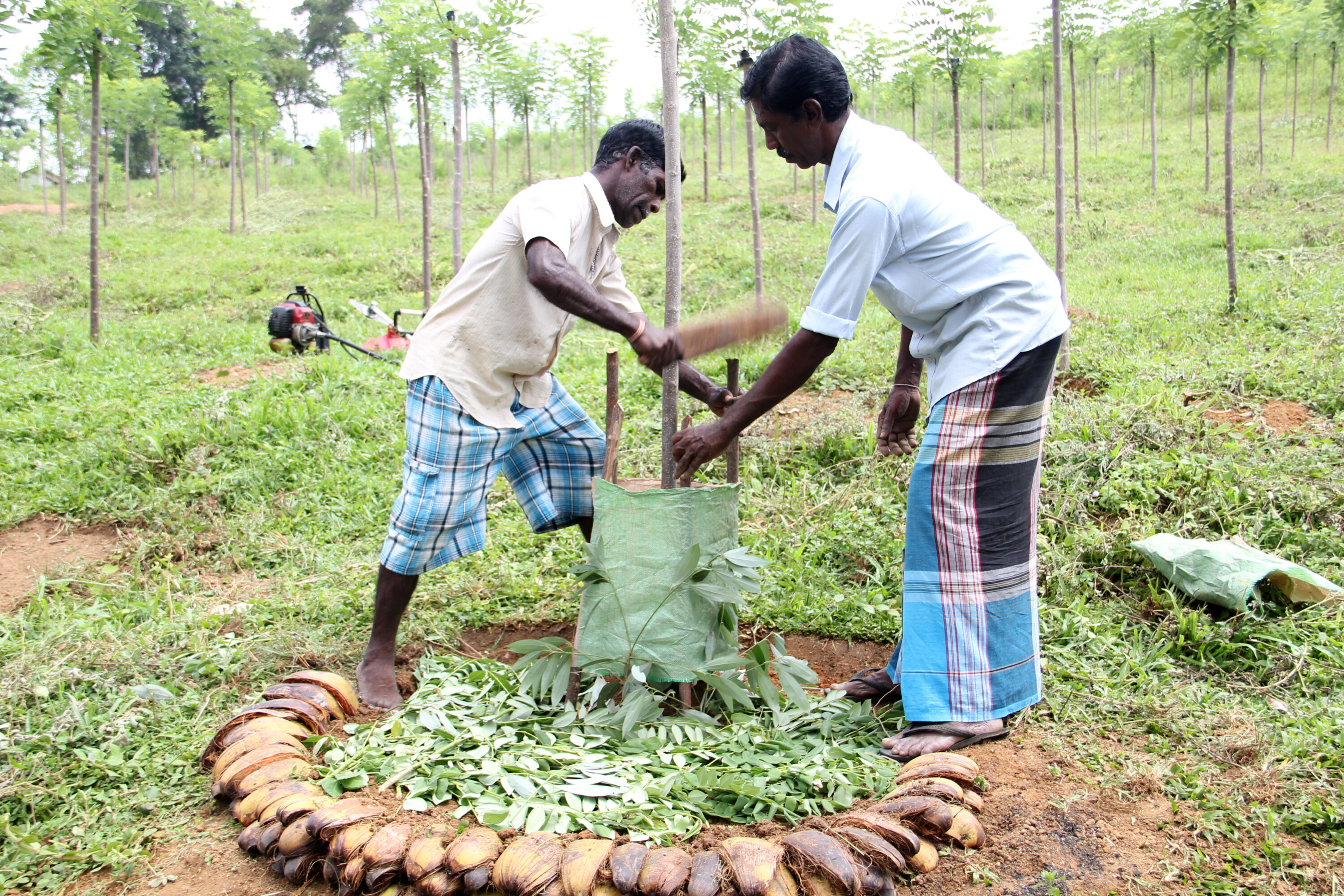
සිටුවාගත් පැලය වටා වියලි කොළ රොඩු හෝ කපාගත් ග්ලිරිසීඩියා අතු හෝ
වියලි තණකොළ, වෙනත් ශාක කොටස් යොදා අඩි 1 1/2 ක් පමණ සීමාවක් දක්වා අඟල් 2 – 3 ක්
පමණ ඝනකමට සිටින සේ වසුනක් යෙදිය හැක. ජලසම්පාදනයකින් පසු මේ මඟින් පැලය වටා සතියක
පමණ කාලයක් හොඳින් ජලය රඳවාගත හැක. එමෙන්ම අධික හිරු එළියෙන් පැලය වටා පස රත්වීමද
මේ මඟින් වලක්වාගත හැක.
පැල සිටුවීමෙන් පසු තාවකාලික සෙවන සැපයීමද ඉතා අවශ්යවේ.
වගා කිරීමට සහතික කළ සුදුසු පැලයක් තෝරා ගැනීම
ගම්මිරිස්
වගාවේදී ගුණාත්මයෙන් ඉහල පැල යොදාගැනීම මඟින් ක්ෂේත්ර ස්ථාපනය වැඩිකර ගැනීම, වැඩි
වර්ධන වේගයක් ලබාගැනීම, රෝග හා පලිබෝධ වලින් තොර වගාවක් සාදාගැනීම මෙන්ම
පසුකාලයේදී ඒකාකාර වගාවක් හා ඉහල අස්වැන්නක් ද ලබාගත හැකිවෙයි.
ශ්රී ලංකාවේ
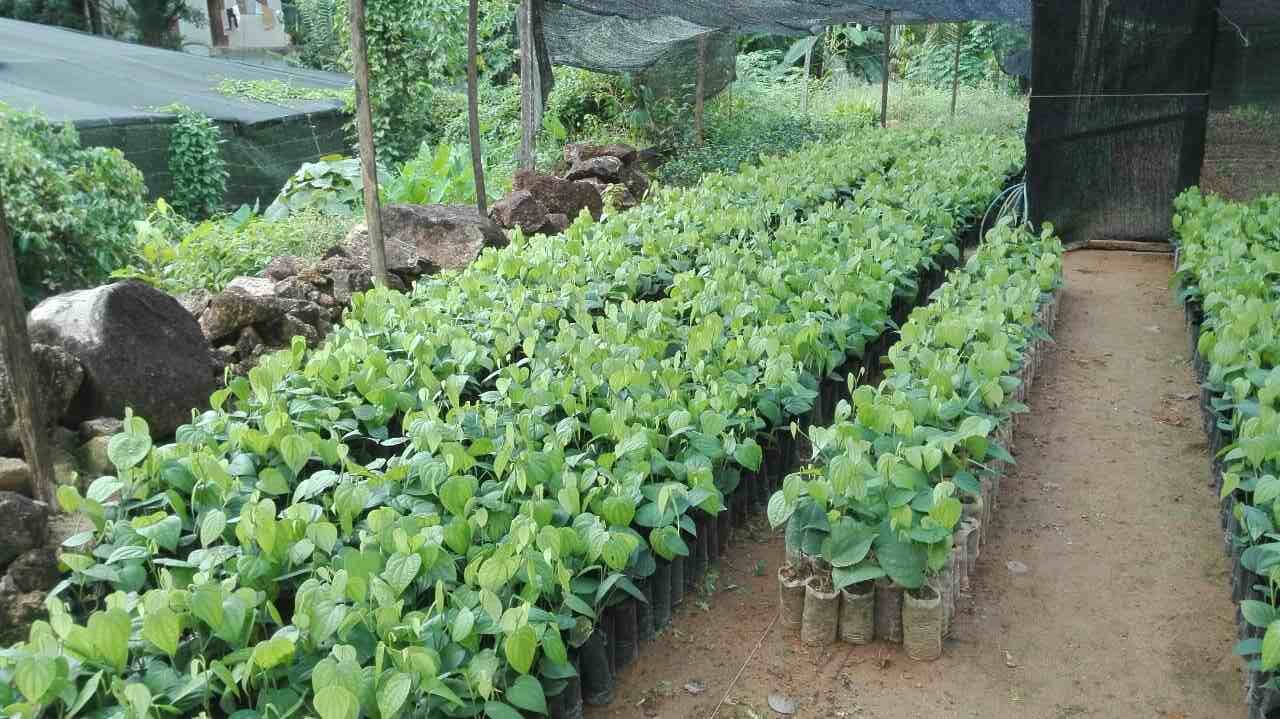
පැල නිෂ්පාදනය සඳහා ප්රධාන වශයෙන්ම පා වැල් වලින් ලබාගන්නා අතු කැබැලි භාවිතා
කරයි. මේ මඟින් සිටුවීමට සුදුසු පැලයක් ලබාගැනීම සඳහා මාස 4 – 5 පමණ කාලයක්
ගතවෙයි. මෙසේ ලබාගන්නා පැලයක් සහතික කර නිකුත්කටනවිට පහත ලක්ෂණ තිබිය යුතුයි.
· හොඳින් පරිනත
වූ පත්ර 5 – 7 ක් පමණ අඩංගු වීම
· හොඳින් වර්ධනය වූ මූල පද්ධතියක් තිබීම
· රෝග හා පලිබෝධ වලින් තොරවීම
· හොඳින් වර්ධනය වී තිබීම හා ශක්තිමත් දිරියක්
තිබීම
මෙසේ සහතික කල පැල දෙපාර්තමේන්තු
තවාන් හා දෙපාර්තමේන්තුවේ ලියාපදිංචි කල පෞද්ගලික පැල තවාන් වලින් ලබාගත හැකිවෙයි.
සහතික කල
මුදුන් රිකිලි පැල ලබා ගැනීම
මුදුන් රිකිලි
මඟින් පැල නිෂ්පාදනය කිරීම සාපේක්ෂව අසීරු
වුවත් වගාව සඳහා මුදුන් රිකිලි පැලයක් වගා කිරීමෙන් ක්ෂේත්රයේ වැඩි ස්ථාපන ප්රතිශතයක් තිබීම, වැඩි
වර්ධන වේගයක් තිබීම, කෙටි කලකින් වියන් සම්පූර්ණ කරගැනීම, වසරක් වැනි කෙට් කාලයක්
තුල අස්වනු ලබාදීම, කෙටි කලකින් වැඩි හරස් අතු සංඛ්යාවක් ලබාදීම, හා වැඩි
අස්වැන්නක් ලබාදීම යනාදී අමතර වාසි කිහිපයක් ලබා ගත හැක.
සහතික කරන ලද
මුදුන් රිකිලි පැලයක පහත ලක්ෂණ අඩංගු විය යුතුවේ.
· පැල නිෂ්පාදනය
සඳහා ගැට 5 ක් සහිත මුදුන් රිකිල්ලක් භාවිතාකර තිබීම
· එයින් වර්ධනය
වූ නව රිකිල්ලේ අවම වශයෙන් ගැට 5 ක් අඩංගු වීම
· නව රිකිල්ලෙහි
අවම වශයෙන් හරස් අතු 1 ක් වත් අඩංගු වීම
· හොඳින් වර්ධනය
වූ මූල පද්ධතියක් තිබීම
· රෝග හා පලිබෝධ
වලින් තොරවීම
· එම පැල අඟල් 8 -10 ප්රමාණයේ පොලිතීන් බඳුනක සිටුවා තිබීම
යනාදී ලක්ෂණ
වේ.
පැල දැඩි කිරීම
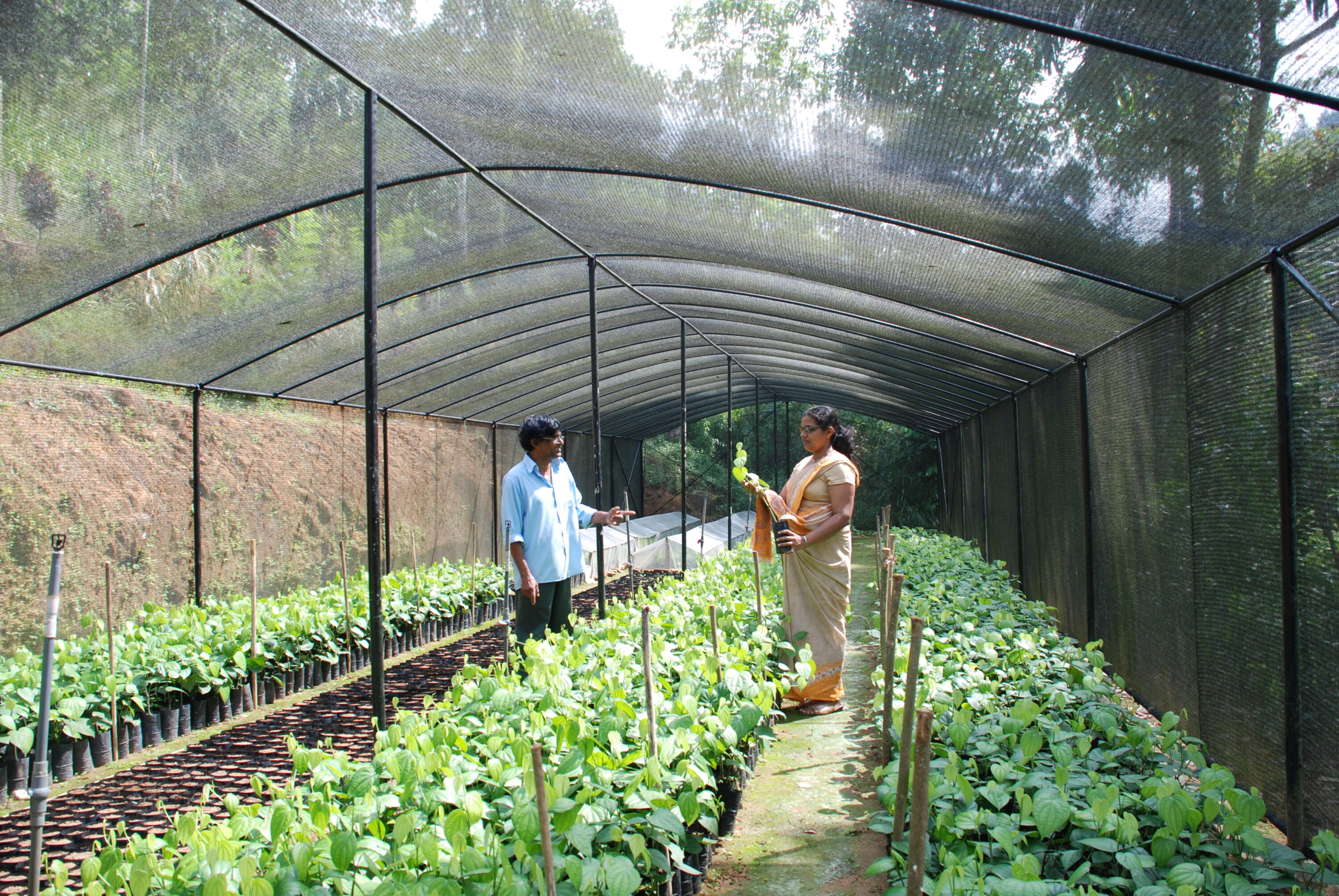
පැල නිෂ්පාදනය
කරනු ලබන දැල් ගෘහ තුල පැල වලට ඉතාමත් හිතකර පරිසරයක් පවත්වා ගන්නා නිසා පැල
මෙම ලක්ෂණ සඳහා අනුවර්තනය වී ඇත. මෙම පැල ක්ෂේත්රයට සිටුවීමට පෙර එහි ඇති දැඩි
පරිසරයට හුරුකල යුතුවේ. මේ සඳහා පැල ක්ෂේත්රයට ගෙනයාමට පෙර සති 3 – 4 ක පමණ
කාලයක් ක්රමයෙන් බාහිර පරිසරයට විවෘත කර පැල දැඩි කිරීම සිදු කරනු ලැබේ . එසේ
නොකළ හොත් ක්ෂේත්රයේ සිටවූ පසු බාහිර පරිසරයට ඔරොත්තු නොදීම නිසා ක්ෂේත්ර
ස්ථාපනය බොහෝ දුරට අඩුවිය හැකිවේ.
ක්ෂේත්රයේ පැල
සිටුවීම
වර්ෂා සමය
ආරම්භ වීමත් සමඟ පැල සිටුවීම ආරම්භ කරනු ලබයි. යල කන්නයේ පැල සිටුවන්නේ නම් අප්රේල්
මාසය තුල දීද මහා කන්නයේ පැල සිටුවන්නේ
නම් සැප්තැම්බර් මාසය තුලදීද සිටුවීම සඳහා වඩාත් සුදුසු වෙයි. ඒ වන විට අවශ්ය
වලවල් සකස්කර තිබීමත් සිටුවීමට මාස 5 -6 කට පමණ පෙර ග්ලිරිසීඩියා ආධාරක සිටුවා
තරමක සෙවන සහිත පරිසරයක් සාදාගෙන තිබීමත් ඉතාමත් වැදගත් වේ. එක වලක එක් පැලයක්
බැගින් සිටුවයි.
සිටුවීමේදී, වලෙහි
ආධාරකය සිටුවා ඇති කෙළවරෙහි පැලය සහිත බඳුනට සමාන ප්රමාණයේ වලක් සාදා බඳුනෙහි පස්
මිශ්රණය විසිරී නොයන ලෙසත් මූල පද්ධතිය විවෘත නොවන ලෙසත් ප්රවේශමෙන් බඳුනෙහි
පොලිතීන් ආවරණය ඉවත්කරගත යුතුවේ. ඉන්පසුව වැලෙහි ගැටවල මුල් සහිත පැත්ත ආධාරකය
දෙසටත් පත්රවල උඩු පැත්ත ඉන් පිටතටත් යොමුවන ලෙසත් එසේම මඳක් ආධාරකය දෙසට ආනතවන
ලෙසත් පැලය සහිත පස් මිශ්රණය සාදාගත් වල තුල තබා පැලය වටා හොඳින් පස් තදකර සිටුවා
ගනු ලබයි. සිටුවීමෙන් පසු පැලය වටා සුදුසු වසුනක් යෙදීම මඟින් පාංශු තෙතමනය ආරක්ෂා
කරගැනීමත් පැලය ක්රමයෙන් පරිසරයට හුරුවන තෙක් තාවකාලික සෙවනක් සැපයීමත් ඉතාමත්
වැදගත් වේ. තාවකාලික සෙවන සැපයීම සඳහා පොල් අතු හෝ වෙනත් සෙවන ලබාදිය හැකි අතු
වර්ගයක් යොදාගත හැක. මේ මඟින් පැල වල ක්ෂේත්ර ස්ථාපන හැකියාව බොහෝ සෙයින් වැඩිකර
ගත හැකිය.
සෙවන පාලනය හා වසුන් යෙදීම
පැල සිටවූ මුල්
අවධියේ මෙම දැඩි පරිසරය පැල වලට දරාගත නොහැකි බැවින් පැල ආරක්ෂා කරගත යුතුය. මේ
සඳහා පැල දැඩි කිරීමකට ලක්කලද වර්තමානයේ පවත්නා කාලගුණික වෙනස්වීම් නිසා බාහිර
පරිසර තත්ත්ව වලට ඔරොත්තු දීමේ හැකියාව අඩුවිය හැක. මේ නිසා පැල සිටවූ මුල් අවස්ථාවේ
තාවකාලික සෙවනක් සැපයීම අත්යාවශ්ය වේ. පොල් අතු හෝ වෙනත් සුදුසු අතු වර්ගයක්
යොදාගත හැක. එසේම පසේ පවත්නා පාංශු ජලය ආරක්ෂා කරගැනීමටත් පැලය වටා විවෘත පස
රත්වීම වැලැක්වීම සඳහා සුදුසු වසුනක් යෙදීමත් සිදුකළ යුතුය. මේ සඳහා කොළ රොඩු හෝ
ග්ලිරිසීඩියා අතු භාවිතා කල හැක. පැල සිටවූ මුල් අවධියේ මෙලෙස තාවකාලික සෙවනක්
සැපයීම හා සුදුසු වසුනක් යෙදීම මෙන්ම ජලසම්පාදනය කිරීමෙන් ක්ෂේත්ර ස්ථාපනය වැඩිකර
ගැනීමටත් මූලිකව අඛණ්ඩ වර්ධනයක් ඇතිකර ගැනීමටත් හැකියාව ලැබේ.
වැල් පුහුණු කිරීම
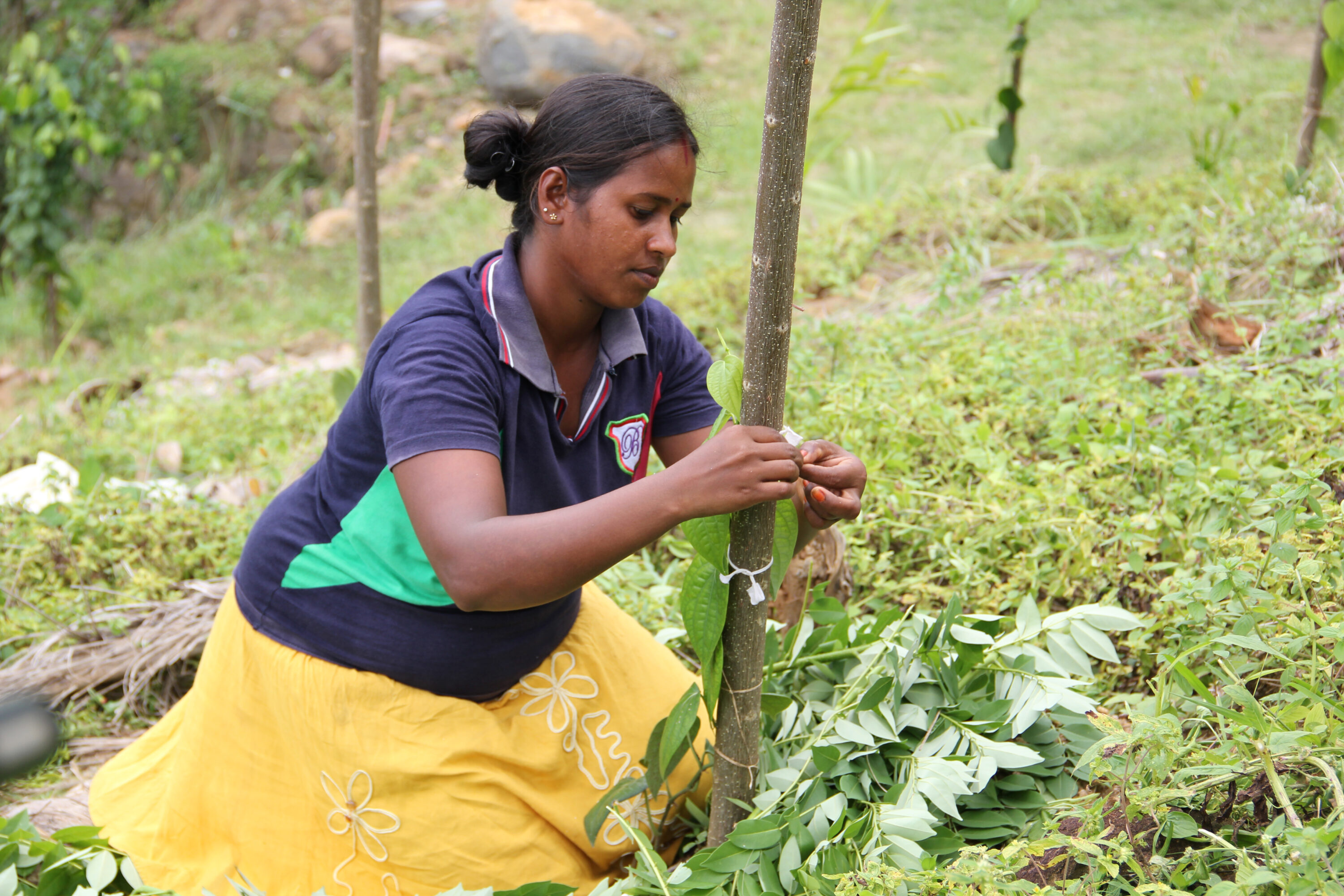
පැල සිටුවීමෙන් පසු මුල් අවධියේ එම වැල් ආධාරකය දෙසට යොමු කිරීමත් වැල්
ආධාරකය මත තබා බැඳ ආධාරකය මත වර්ධනය වීමට ඉඩ සැලැස්වීමත් සිදුකළ යුතුය. වැල තරමක්
වර්ධනය වූ පසු ගැට වල මුල් සහිත පැත්ත ආධාරකය දෙසට යොමුවන ලෙස ආධාරකය මත තබා, එම
මුල් හොඳින් ආධාරකයේ ස්පර්ශ වන ලෙස වැල කිහිප ස්ථානයකින් ආධාරකයට තබා බැඳිය යුතු
වේ. වැලේ වර්ධනයත් සමඟ මෙසේ කිහිප වතාවක් වැල ආධාරකයට තබා බැඳීම මඟින් ගම්මිරිස් වැල
ආධාරකය මත වර්ධනය වීම පුහුණු කල යුතුය. මෙසේ
බැඳීම මඟින් වැල ක්රමයෙන් ආධාරකයට සවිවී වර්ධනය වීම ආරම්භ කරයි.
වැඩි හරස් අතු සංඛ්යාවක් සඳහා වැල පුහුණු කිරීම හා කප්පාදු කිරීම
මේ සඳහා පහත අවශ්යතා තිබිය යුතුය.
·
ගම්මිරිස් වැලේ හරස් අතු වර්ධනය වී තිබිය යුතුය
·
වැලේ වයස මාස 6 සිට වසරක් අතර තිබීම වඩා සුදුසු
වේ.
·
පසේ හොඳින් තෙතමනය තිබිය යුතුය
ඉහත ලක්ෂණ සහිත ගම්මිරිස් වැලක් පුහුණු කිරීම හා කප්පාදු කිරීම පහත ලෙස
සිදුකල යුතුය.
·
වැලේ පාමුල අඩි 2 ක විශ්කම්භයක් සහිත ප්රදේශයේ
පස අඟල් 2 ක් පමණ ගැඹුරට බුරුල් කරගන්න
·
වැලේ හරස් අතුවලට පහලින් ඇති පත්ර ඉවත් කරගන්න
·
ගම්මිරිස් වැල ආධාරකයට බැඳ ඇති පටි ඉවත්කර වැල
ආධාරකයෙන් නිදහස් කරගන්න
·
වැලේ පහලින් ඇති පත්ර රහිත කොටස ආධාරකය වටේ
රවුමක් ලෙස ප්රවේශමෙන් පසට යටකරන්න
·
හරස් අතු සහිත ඉහල කොටස සිරස්ව පවතින පරිදි
ආධාරකයේ පහල කොටසට තබා ආධාරකයට බඳින්න
·
පැලය පාමුල හොඳින් වැසෙන පරිදි වසුනක් යොදන්න
·
වැල තවත් අඩි 1 ක් පමණ ඉහලට වැඩුන විට ඉහල
කෙලවරින් අඩි භාගයක පමණ කොටසක් කපා ඉවත්කරන්න
·
පසුව පහලින් ඇතිවන සිරස් වැල් වලට වර්ධනය වීමට
ඉඩ සලසන්න
මුදුන් රිකිලි පැල පුහුණු කිරීම හා කප්පාදු කිරීම
මුදුන් රිකිලි පැල ද කප්පාදු
නොකර ආධාරකය මත වර්ධනය වීමට ඉඩ හැරීමෙන් එක් සිරස් අත්තක් පමණක් ආධාරකය මත
ඇතිකරයි. එවිට හරස් අතු ගණන අඩුවේ. වියන පිරීම සඳහා කල් ගතවේ. මේ නිසා ආධාරකය මත
වර්ධනය වන සිරස් වැල් ගණන වැඩිකර ගැනීමට කප්පාදු කිරීම අත්යාවශ්ය වේ. මේ සඳහා
පැල සිටුවීමෙන් පසු සිරස් වැල තවත් අඩි 1 1/2
ක් පමණ වර්ධනය වුවිට ඉහල කෙලවරින් අඩි 1/2 ක් පමණ කොටසක් කපා ඉවත් කල යුතුය.
එවිට පහලින් අලුත් සිරස් වැල් 2 – 3 ක් පමණ වර්ධනය ආරම්භ කරයි. මේවා ආධාරකය මත වර්ධනය වීමට සැලැස්වීමෙන් වැඩි හරස්
අතු සංඛ්යාවක් ඇතිවී වියන සම්පූර්ණ කරගනී.
ජල සම්පාදනය
පැල සිටුවන අවධියේ මෙන්ම මල් පිපීම හා ඵල දරන සමයේ අඛණ්ඩව ජලය අවශ්ය
වේ. හොඳින් වැඩුන ගම්මිරිස් වැලක දිනක ජල අවශ්යතාව ලීටර් 16 කි. සිටවූ මුල්
අවධියේ දිනකට ලීටර් 2 – 4 ක් පමණ අවශ්ය වන අතර වර්ධනයත් සමඟ මෙම ප්රමාණය වැඩි කල
යුතුවේ. ජලසම්පාදනයත් සමඟ සුදුසු පාංශු තෙතමන සංරක්ෂණ ක්රම භාවිතා කල හැකි නම් ජල සම්පාදනය තවත් කාර්යක්ෂම කරගත හැක.
ක්ෂුද්ර ජල සම්පාදන ක්රම භාවිතාකරණ විට පැල තවාන් හා මව් ශාක උද්යාන සඳහා විසිරුම්
ජලසම්පාදන ක්රමය වඩා සුදුසු වේ. ගම්මිරිස් ක්ෂේත්ර වලදී ජල නාස්තිය වලක්වා ගැනීම
සඳහා බින්දු ජලසම්පාදනය යොදාගැනීම වඩාත් උචිත වේ.
අස්වනු නෙලීමෙන් පසු හා ඊළඟ මල් පිපීමට සති 4 – 6 ක පමණ නියං කාලයක්
අවශ්ය වේ. මේ කාලය තුලදී ජලසම්පාදනය නොකළ යුතුය.
සති 4 – 6 ක නියං කාලයකට පසු ලැබෙන වර්ෂාවත් සමඟ වේ.මල් පිපීම ආරම්භ වුපසු
අඛණ්ඩව වර්ෂාව නොලැබුණහොත් කරල් හටගැනීම, මල් වල පරාගනය, කරල් වල දී පිරීම යන
ලක්ෂණ බොහෝ සෙයින් අඩුවීය හැකි බැවින් මල් පිපුන අවස්ථාවේ සිට මාස 6 ක පමණ
කාලයක් අඛණ්ඩව හා ප්රමාණවත් ලෙස පාංශු තෙතමනය පවත්වා ගත යුතුවේ.
කෘතිමව ජලසම්පාදනයේදී ද එක් වරක් ජලසම්පාදනය කල පසුව වුවද දින කිහිපයක් පස තුල ජලය රඳවාගත හැකි නම් එම බෝගයට අවශ්ය ජලය
තවත් දින කිහිපයක් ලබාදිය හැකියි.
පාංශු තෙතමන
සංරක්ෂණ ක්රම
හොඳින් වැඩුන
ගම්මිරිස් වැලෙහි පාමුල වටා අඩි 2 – 3 ක විෂ්කම්බයක් සහිතව වියලි කොළ රොඩු හෝ
ග්ලිරිසීඩියා අතු අඟල් 2 – 3 ක ඝනකමක් සහිතව ඇසිරීමෙන් හොඳින් තෙතමනය ඇති පසක සති 1 – 2 ක් පමණ කාලයක්
පාංශු ජලය රඳවා ගත හැකිවේ. එ
සේම පැලය වටා
අඩි 2 – 3 ක් පමණ සීමාව පැලය දෙසට ආනත වන සේ සකස්කර බේසමක් ලෙස සාදාගත හැකිනම්
වර්ෂා ජලය මෙන්ම ජලසම්පාදනයේදී ලබාදෙන ජලය පැලය දෙසට ගලාගොස් තැන්පත් වීමෙන් පාංශු
තෙතමනය දින කිහිපයක් රඳවාගත හැකිවේ. බෑවුම් සහිත ඉඩම් වලදී මෙම බේසම බෑවුමට ප්රතිවිරුද්ධ
අතට මඳක් ආනතව සකස්කිරීමෙන් පාංශු තෙතමන සංරක්ෂණයට මෙන්ම පාංශු සංරක්ෂණයට උපකාරී
වේ.
මීට අමතරව
බෑවුම් බිම්වල ගම්මිරිස් පැලයට උඩු පැත්තෙන් අර්ධ කවාකාර කානුවක් කපා ඒ තුල
පොල්ලෙලි තට්ටු 2 ක් ඒවායේ සුමට පැත්ත යටි අතට පිහිටන සේ ඇසිරීමෙන් පාංශු තෙතමනය
සති 2 -3 ක් පමණ ආරක්ෂා කරගත හැක. වර්ෂාවෙන් පසු ගලාඑන ජලය ඔස්සේ ලැබෙන කාබනික ද්රව්ය
මේ පොල්ලෙලි අතර තැන්පත් වීමෙන් පාංශු සංරක්ෂණය සිදුවන අතරම ගම්මිරිස් වලට අමතර
පෝෂනයක්ද ලබාදෙයි.
ආවරණ බෝග වගා
කිරීම
ගම්මිරිස් වගාව
සඳහා මුකුනා වැනි ආවරණ බෝග වගා කිරීම නිසා පාංශු තෙතමනය හොඳින් ආරක්ෂා වේ. නමුත් මුකුනා
ශාකය වර්ධන වේගය වැඩි නිසා ගම්මිරිස් බෝගයට එය අහිතකරව බලපායි. උදුපියලිය
වර්ග හෝ වල් රටකජු වැනි ආවරණ බෝග වගා කිරීම නිසා ගම්මිරිස් වගාවකදී පාංශු තෙතමනය
වගේම පස සේදී යෑම ද අඩු වේ. වල් රටකජු හා
ඩෙස්මොඩියම් රනිල කුලේ ශාක නිසා පාංශු පෝෂක පසට එකතු වීම සහ ආවරණ බෝග වල කොළ වියළි
පසට එකතු වීම නිසා පසෙහි කාබනික ද්රව්ය වල වැඩි වීමක් ද සිදුවේ.
ආධාරක ශාකය
කප්පාදු කිරීම
තෙත් කලාපයේ
වගාවන් වල වසරකට 4 වතාවක් එනම් වැසි සමයට පෙර හා පසු තෙත් කලාපයේ වගාවන් වල වසරකට
4 වතාවක් එනම් වැසි සමයට පෙර හා පසු කප්පාදු කිරීමත් අතරමැදි කලාපයේ වගාවන්හි
වසරකට 3 වතාවක් කප්පාදු කිරීමත් නිර්දේශ
කරනු ලැබේ. එසේ කපා ඉවත්කරන අතු වසුනක් ලෙසත් කොළ පොහොරක් ලෙසත් භාවිතා කළහැකි
වෙයි. මේ මඟින් ගම්මිරිස් වලට යොදන රසායනික පොහොර ප්රමාණය අඩකින් අඩුකල හැකිවෙයි.
පොහොර යොදන විට පළමුව රසායනික පොහොර යොදා දෙවනුව ග්ලිරිසීඩියා වසුන් යෙදිය යුතුය.
මෙහිදී වැඩුණු ගම්මිරිස් වැලකට ග්ලිරිසීඩියා අතු කි.ග්රෑම් 2.5 ක් මාස තුනකට වරක්
බැගින් යෙදීම ප්රමාණවත් වේ.
ග්ලිරිසීඩියා අතු පළමු කප්පාදුවෙදී කපා ඉවත්කිරීමෙන් සති 6 ක් පමණ ගතවන
විට නැවත ග්ලිරිසීඩියා අතු වර්ධනය වී ගම්මිරිස් වැලට අවශ්ය ආලෝකය ප්රමාණවත් ලෙස
ලබාගැනීමට නොහැකි වීමයි. මේ නිසා දෙවන කප්පාදුව තෙක් එනම් මාස 1 1/2 ක් පමණ ගම්මිරිස් වැල් පවතින්නේ ග්ලිරිසීඩියා
සෙවන තුල වේ. මේ තත්ත්වය ගම්මිරිස් වැලේ අඛණ්ඩ ආහාර නිෂ්පාදනයට බලපාන අතර අස්වනු
අඩුවීමට හේතුවෙයි. මේ නිසා ග්ලිරිසීඩියා අතු කප්පාදුවෙන් සති 4 – කට පමණ පසු අලුත් ග්ලිරිසීඩියා අතු වර්ධනය වන
විට ඒවායේ ඉහලින්ම ඇති අතු 2 – 3 ක් ඉතිරිකර අනෙක් අතු සියල්ල කෙක්කක් ආධාරයෙන්
කඩා ඉවත්කළ හැක. එවිට ගම්මිරිස් වැලට වසර පුරා අවශ්ය ආලෝකය ලබාගැනීමට හැකිවන අතරම
දැඩි හිරු රශ්මියෙන් ගම්මිරිස් වැල ආරක්ෂා කරගැනීමටත් හැකිවෙයි.
ඊට අමතරව ග්ලිරිසීඩියා අතු ඉවත්කිරීමත් සමඟ එම ශාකයේ ඉතාමත් කුඩා
අවශෝෂක මුල් වල ක්රියාකාරිත්වය නැතිවී යාම නිසා එම මුල් වියලී යයි. එහෙත්
ගම්මිරිස් වැලට හොඳින් ආලෝකය ලැබෙන නිසා වැලේ ක්රියාකාරිත්වය වැඩිවීම හේතුවෙන් වැලේ
අවශෝෂක මුල් අලුතෙන් වර්ධනය වී ජලය හා පෝෂණ ද්රව්ය අවශෝෂණ හැකියාව තව දුරටත්
වැඩිවීමක් සිදුවේ. තවද, ග්ලිරිසීඩියා අතු ඉවත්කරන විට ගම්මිරිස් වැල් අතර ආර්ද්රතාව
අඩුවීම නිසා දිලීර රෝග මෙන්ම රේන්ද මකුනාගේ හානිය අඩුවීමටද හේතුවෙයි.
වල් පැළෑටි
පාලනය
ක්ෂේත්රයේ
වල්පැළෑටි සම්පූර්ණයෙන්ම උදලු ගා ඉවත් කිරීම සිදුකළ හොත් පස සේදී යාමට ඉඩ ඇති
බැවින් එසේ සිදු නොකර ගම්මිරිස් පැළ වටා
අඩි එකහමාරක් (සෙන්ටි මීටර් 45 පමණ )වට ප්රමාණයට ඇති වල් පැලෑටි
අතින් උදුරා ඉවත් කළ යුතුයි. ක්ෂේත්රයේ අනෙකුත් ප්රදේශ වල විසිකැති ගැසීම මඟින්
හෝ යන්ත්ර මගින් වල් පැළෑටි පාලනය සිදු කල හැකිය. ඇතැම් විට ගම්මිරිස් බෝගයෙහි මුල ආධාරක ශාකයට අඩි එකක් හෝ එකහමාරක්
දුරින් සිටවා තිබෙන විටදී පොළොවට සමාන්තරව ගම්මිරිස් ශාකයෙහි කඳ කොටස ගමන් කර
ආධාරක ශාකය වෙත යයි. එවිට ගම්මිරිස් ශාකය ආසන්නයේ විසිකැති ගැසීම සිදු කළ විට
ගම්මිරිස් කඳට හානි විය හැකිය. එම නිසා කිසිවිටෙකත් ගම්මිරිස් පැළයට ආසන්නව විසිකැති ගැසීමෙන් වලකින්න.
පරිනත ගම්මිරිස්
වැල් කප්පාදු කිරීම
ගම්මිරිස් වැලක
හඳුනාගත හැකි එකිනෙකට වෙනස් අතු වර්ග කිහිපයක් පවතී. එයින් වඩා වැදගත් වන්නේ කරල්
හටගන්නා හරස් අතු වේ. වගාවේ අස්වනු වැඩිකර ගැනීම සඳහා වැලේ නිපදවන ආහාර වලින් වැඩි
ප්රමාණයක් ගමන් කලයුත්තේ මෙම හරස් අතු වලට වේ.
වැලේ පාමුලින්
ආරම්භ වී බිම දිගේ වර්ධනය වන පා වැල් සහ වැලේ ඉහලින් පහලට එල්ලී වැඩෙන ගැරඬි වැල් වඩා
මාංශල වීමත් අඛණ්ඩව වැඩි වර්ධන වේගයකින් වර්ධනය වීමත් නිසා මෙම වැල් වලට ආහාර, ජලය
හා පෝෂණ ද්රව්ය වැඩි ප්රමාණයක් වැය වන අතරම ඒවායේ කරල් ඇතිවීමක් ද සිදු නොවේ.
මේ හේතුවෙන් හරස් අතු වලට ගමන් කරන ආහාර ප්රමාණය බොහෝදුරට අඩුවීමක් සිදුවේ. එය
කරල් වල ඵල පිරීම අඩුකරන නිසා ඵලවල බර අඩුවීමට හේතුවෙයි. වැලේ මල් පිපෙන අවධියේ හා කරල් පිරෙන අවධියේ
නිරන්තරයෙන් වැල් පරීක්ෂාකර බලා මෙම පා වැල් හා ගැරඬි වැල් කපා ඉවත්කිරීම මඟින්
වැලේ නිපදවෙන ආහාර වැඩි ප්රමාණයක් හරස් අතු වලට ගමන් කිරීමට ඉඩ සැලසීමෙන් අස්වැන්න
වැඩිකර ගැනීමට උපකාරී වේ.
කාලගුණික වෙනස්
වීම් වල බලපෑම
වර්තමාන
කාලගුණික වෙනස් වීම හේතුවෙන් සාමාන්ය වර්ෂාපතන රටාවන් මෙන්ම වායු ගෝලයේ උණුසුමද
ක්රමයෙන් වැඩිවී ඇත. යල හා මහ කන්න වලදී ලැබෙන සුපුරුදු වර්ෂාපතන රටාවන් බොහෝ
සෙයින් වෙනස්වීමක් පෙන්නුම් කරයි. විශේෂයෙන්ම වර්ෂාව ලැබෙන දින ගණන හා වර්ෂාවේ
තීව්රතාව නැතහොත් දිනකට ලැබෙන වර්ෂාපතනයේ ප්රමාණය වෙනස් වී ඇත. ඇතැම් අවස්තාවලදී
කෙටි කාලයක් සාපේක්ෂව ඉහල වර්ශාපතනයක් ලැබෙන අවස්ථා දැකගත හැකිවෙයි. මේ නිසා කන්නය
තුල හොඳින් විසිරුන වර්ශාපතනයක් නොලැබීම, අවශ්ය කාලයේදී නියමිත වර්ෂාව නොලැබීම,
කඩින් කඩ ස්වල්ප වශයෙන් වැසි ඇතිවීම, පරිසර උෂ්ණත්වය වැඩිවීම ආදී වෙනස් වීම්
හඳුනාගත හැකි අතර මෙම තත්ත්වය බොහොමයක් බෝග කෙරෙහි හානිකර ලෙස බලපානු ලබයි.
ගම්මිරිස් වල අස්වැන්නේ ප්රමාණය මෙන්ම එහි ගුනාත්මයද අතිශයින් වැදගත්
වේ. ගුණාත්මය වැඩිකර ගැනීම සඳහා කරල් පිරීම සඳහා ඊට ආහාර හොඳින් ගමන් කිරීමටත් එත්
සමඟ ඵල ඒකාකාරව පිරී වර්ධනය වීමටත් අවශ්ය වේ. මේ සඳහා වැලේ ආහාර නිෂ්පාදනය මෙන්ම
එම ආහාර පහසුවෙන් ගමන්කිරීම සඳහා ප්රමාණවත් වත් ලෙස ජලය තිබිය යුතු වේ. ජලය ප්රමාණය
අඩුවුව හොත් ආහාර ශාකය තුල ගලයාමටත් ඵල පිරීමටත් අපහසු වේ. මේ නිසා මල් පිපීමෙන්
පසු මාස 5 – 6 ක් පමණ කාලයක් යනතුරු වැලේ මූල පද්ධතිය අවට ප්රමාණවත් ලෙස ජලය
නොතිබුණහොත් මෙම ආහාර ගමන් කිරීමේ ක්රියාවලිය හා ඵල පිරීම හොඳින් සිදුනොවේ.
එසේ වුවහොත් ඵල
විශාල නොවීම හා ඵල හොඳින් පිරීම සිදුනොවීම නිසා කුඩා ඵල ඇතිවීමත් ඵල වල බර
අඩුවීමත් සිදුවෙයි. අස්වැන්නෙහි කුඩා ඵල සාපේක්ෂව විශාල සංඛ්යාවක් අඩංගු වේ. එවිට
අස්වැන්නෙහි ගුණාත්මය අඩුවීමක් අනිවාර්යයෙන්ම සිදුවෙයි. මේ නිසා මෙම කාලය තුල පසේ
ප්රමාණවත් ජල ප්රතිශතයක් අඛණ්ඩව පවත්වා ගැනීම අත්යාවශ්ය කරුණකි. මේ සඳහා
ග්ලිරිසීඩියා අතු වලින් හොඳ වසුනක් යෙදීමත් අවම වශයෙන් සතියකට වරක්වත් ජලසම්පාදනය
කිරීමත් ඉතාමත් සුදුසු වේ.
පසේ පී එච්
අගය පරික්ෂාව
ගම්මිරිස් සඳහා
යොදා ගන්නා ක්ෂේත්රයෙහි පසෙක තිබිය යුතු පී.එච්. අගය 5.5
– 6.5 අතර පැවතීම
වගාවට හිතකරයි. සාමාන්යයෙන් වර්ෂාව අධිකව ලැබෙන තෙත් කලාපයේ පසෙහි පී එච් අගය අඩු
මට්ටමක එනම් පස ආම්ලික වේ. එවිට ගම්මිරිස් බෝගයට ශාක පෝෂක පස්සෙන් උරා
ගැනීමට නොහැක. එම නිසා තෙත් කලාපයේ
ගම්මිරිස් වගා කරන විට පසෙහි පී එච් අගය ගැන දැනගෙන සිටිම ඉතාම වැදගත් වේ.. අතරමැදි කලාපයේ
බොහෝ ප්රදේශවල පසෙහි පී එච් අගය 5.5ත් 7 අතර අගයක පවතින අතර වියළි කලාපයේ නම් බොහෝ ප්රදේශවල පසෙහි පී එච්
අගය ආම්ලික වීම සිදු වන්නේ නැත.
වගාව ආරම්භ කිරීමට පෙර ඔබේ පස පරික්ෂා කර
ගැනීමෙන් පසු ඒ පී එච් අගය සහ පෝෂක තත්ත්වය පිළිබඳව අදහසකුත් ලබාගෙන ඔබේ වගා බිමෙහි
පී.එච්. අගය නිවැරදි කරගැනීමට හැකි වේ.
මේ සඳහා
ඩොලමයිට් භාවිතා කර පසෙහි පී එච් අගය 5.5 – 6.5 අතරට රැගෙන ආ
යුතුය.
ගම්මිරිස්
වගාවේ පී එච් අගය අඩු නම් එනම් පස ආම්ලික නම් පොහොර යෙදීමට සති 4 – 6 පෙර ඩොලමයිට්
යෙදිම අත්යාවශ්යයි. ඔබ යෙදිය යුතු ඩොලමයිට් ප්රමාණය පසෙහි වයනය නැතහොත් පසෙහි
රලු ගතිය අතට දැනෙන ස්වභාවය, පසෙහි පී එච් අගය සහ
ඩොලමයිට් වල කාර්යක්ෂමතාවය අනුව වෙනස්වේ.
සාමාන්යයෙන්
බහුල වශයෙන් ගම්මිරිස් වගා කරන වැලි සහිත ලෝම පසක පී එච් අගය අඩු නම් ගම්මිරිස්
වගාවට සුදුසු තත්වයකට පත් කර ගැනීමට පහත පරිදි ඩොලමයිට් යෙදිය යුතුයි.
|
පසෙහි පි.එච්. අගය |
යෙදිය යුතු ඩොලමයිට් ප්රමාණය
(හෙක්ටයාර එකට ඩොලමයිට් කි. ග්රෑම්) |
|
4 ට අඩු |
1000 |
|
4 – 4.5 |
750 |
|
4.5 – 5 |
500 |
|
5 – 5.8 |
300 |
ඩොලමයිට් යොදා සති 4-6 කට පසු
රසායනික පොහොර යෙදීම නිසා පොහොර කාර්යක්ෂමව ගම්මිරිස් බෝගයට උරා ගැනීම සිදු වේ.
කිසි විටකත් රසායනික පොහොර සමග ඩොලමයිට්
නොයෙදිය යුතුය. යූරියා වැනි රසායනික පොහොර සමග ඩොලමයිට් යෙදීම නිසා යූරියා
වල නයිට්රජන් ශාක පෝෂකය අපතේ යාම සිදුවේ.
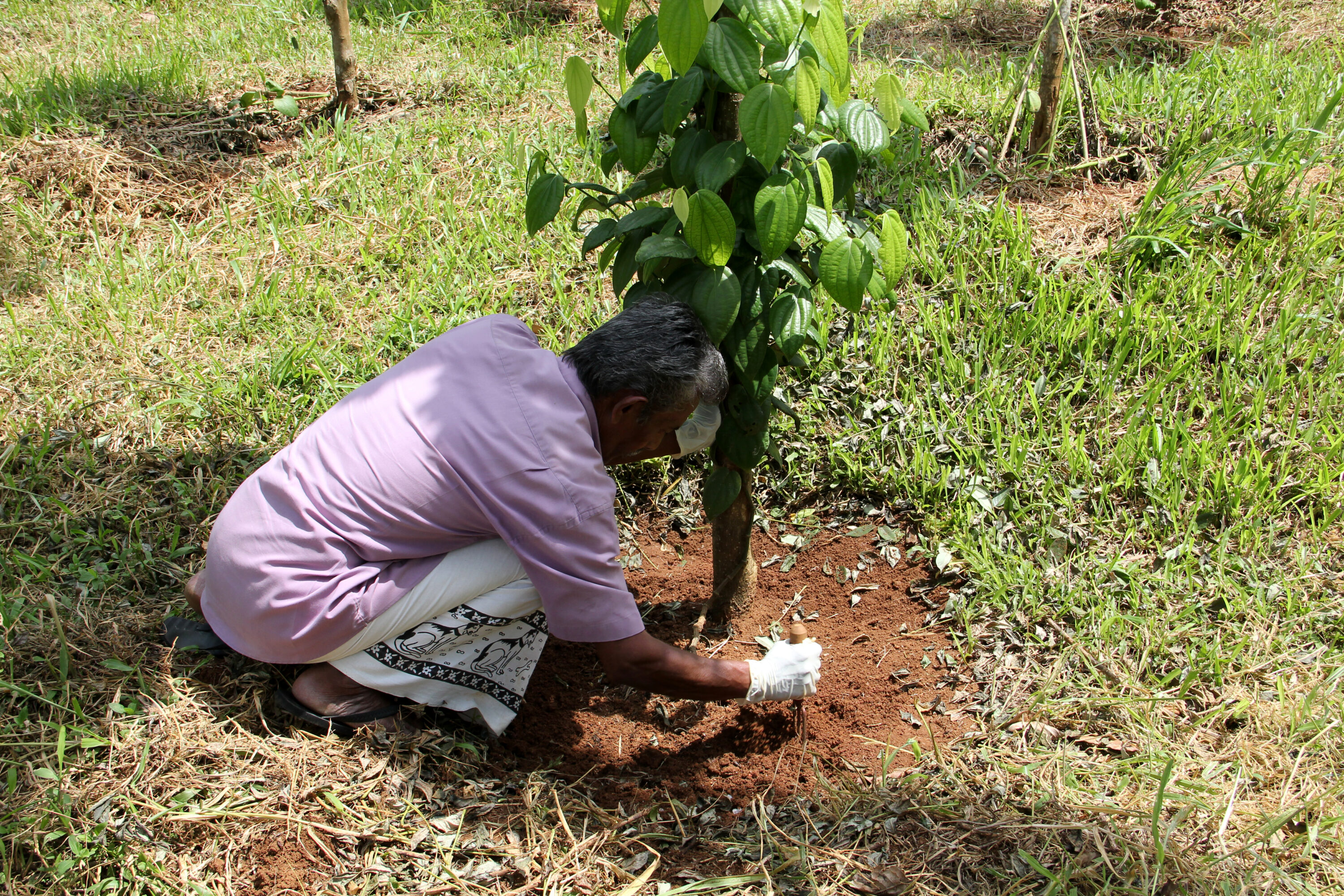
පස පරීක්ෂාකර පොහොර යෙදීම
ගම්මිරිස් වගාවට පොහොර යෙදීමට පෙර පස් පරීක්ෂා කිරීම ඉතාම වැදගත්ය. පස්
පරීක්ෂාවෙන් පසු පසේ ආම්ලිකතාවය හිතකර අගයකට ගෙන ඒමට හැකිවන නිසා යොදන පොහොර වලින්
උපරිම ඵල ලබා ගැනීමට හැකි වෙනවා සේම පස් පරීක්ෂාවේදී පසේ ලවණතාවය පරික්ෂා කරන
බැවින් පසෙහි ලවණතාව ඇතිවීමට ඇති ඉඩකඩ අඩු කරගත හැක.
ඒකාබද්ධ ශාක පෝෂක කළමනාකරණයේ දී රසායනික පොහොර සමඟ කාබනික පොහොර යෙදීම
සිදුකෙරේ. නිර්දේශිත රසායනික පොහොර සමඟ කාබනික පොහොර යෙදීම නිසා රසායනික පොහොරවල
කාර්යක්ෂමතාව වැඩි වේ.
රසායනික පොහොර යෙදීම
තෙතමනය ප්රමාණවත් පරිදි නොමැති විටදී බෝග වලට ශාක පෝෂක උරා ගැනීමට
නොහැකිවේ. එම නිසා ජල සම්පාදනය කිරීමෙන් පසුව පොහොර යෙදිය යුතු අතර පොහොර යෙදීමෙන් පසු කිසි විටෙකත් ජල සම්පාදනය කිරීම
සුදුසු නැත. එසේ කළහොත් යොදන පොහොර සෝදා ගෙන යාම හෝ ක්ෂීරණය විය හැකි බැවින් යොදන
පොහොරවල කාර්යක්ෂමතාව අඩු විය හැකියි. යොදන පොහොර පස සමග හොඳින් කලවම් කළ යුතුය රසායනික
පොහොර යෙදීමේදී පොහොර අතුරිකිලිවලට නොවැටීමට වගබලා ගත යුතුය. ඒවා අතුරිකිලි මත වැටීමෙන්
හානි සිදුවන බැවිනි.පැළය වටා. සෙ.මි.15 පමණ ඈතින් පොහොර යොදා හොඳින් පසට මිශ්ර කළයුතු
වේ.
ඉක්මනින් හා වැඩි අස්වැන්නක් තහවුරු කිරීම
සඳහා ගම්මිරිස් වැල්වලට පැළ සිටුවා මාස 06 න් පසු පහත වගුවලට අනුව ප්රමාණවත් ලෙස පොහොර
යෙදීම කළ යුතුය.
පොහොර මිශ්රණය අඩංගු විය යුතු පොහොර අනුපාතයන්
|
මිශ්රණයේ අඩංගු ද්රව්ය |
බර අනුව කොටස්
|
|
|
|
|
|
|
යුරියා (46%N) |
4 |
|
|
රොක් පොස්පේට්
(28% P2O5) |
5 |
|
|
මියුරියේට් ඔෆ් පොටෑෂ් (60%K2O) |
3 යි |
|
|
කීසරයිට්
(24% MgO) |
1 යි |
|
එක් එක් පොහොර වර්ගය අනුව වැලකට යෙදිය යුතු ප්රමාණය
|
පොහොර |
වැලකට ග්රෑම්
|
|
යුරියා |
215 යි |
|
රොක් පොස්පේට් |
269 (ස්පාඤ්ඤය) |
|
මියුරියේට් ඔෆ් පොටෑෂ් |
162 යි |
|
කීසරයිට් |
54 යි |
|
එකතුව |
700 යි |
පැළයේ වර්ධනයට අනුව වසරකට රසායනික පොහොර යෙදිය ප්රමාණය
|
|
පළමු මෝසම් වර්ෂාව ආරම්භයේදී
(යල) (වැලකට / ග්රෑම්) |
දෙවන මෝසම් වර්ෂාව ආරම්භයේදී ( මහ ) (වැලකට / ග්රෑම්) |
|
ප්රථම වර්ෂය
(පැළ සිටුවා මාස 6 කට පසු) |
125 (125) |
125 (125) |
|
දෙවන වර්ෂය |
250 යි |
250 යි |
|
තෙවන වර්ෂය හා පසුව |
350 යි |
350 යි |
|
|
|
|
කාබනික ගම්මිරිස් වගාව
කාබනික වගාවක් ලෙස ගම්මිරිස් වගාව පවත්වාගෙන යන්නේ නම් හොඳින් වැඩුණු වැලකට වයස අවුරුදු තුනකට වැඩි විශ්කම්භය අඩි පහක් හයක් පමණ වන සිලින්ඩාකාර පෙනුම ඇති වැලකට ගම්මිරිස් වසරකට ග්ලිරිසීඩියා කොළ පොහොර කිලෝ ග්රෑම් 15 ක් යෙදිය යුතුය. මෙය මාස තුනකට වරක් කිලෝ ග්රෑම් 3 . 75 සුදුසු වේ. කොම්පෝස්ට් පොහොර යොදන විට දී වසරකට කිලෝ ග්රෑම් 16 ක් වාර දෙකකදී යෙදිය යුතුය. කාබනික වගාවකදී එප්පාවල රොක් පොස්පේට් (කන්නයකට වැඩුණු වැලකට ග්රෑම් 140 ක් ) සහ ඩොලමයිට් (කන්නයකට වැඩුණු වැලකට ග්රෑම් 50ක්) සිදු කරන ලදී.
වගා ගම්මිරිස් ක්ෂේත්ර කටයුතු යාන්ත්රිකකරණය
බිම් සැකසීම සහ වලවල් කැපීම සඳහා බැකෝ යන්ත්ර භාවිතා කිරීමේදී මතුපිට පස් තට්ටුවට හානි වේ නොවන ලෙසත් පාංශු ඛාදනයට ලක්වන ලෙස හානි නොවන ලෙසත් ප්රවේසම් විය යුතුය. ආධාරක ශාක ඔප්පුව සඳහා බිම සිට හැසිරවිය හැකි පිහිය, ඔප්පු කිරීම හා දම්වැල් කියත වැනි විවිධත්වය සඳහා උපකරණ භාවිතා කළ හැකිය . එසේම වල්පැල පාලනය සඳහා ඉන්ධන සැපයීම ක්රියාකරන හා විදුලියෙන් ක්රියාකරන තණකොළ කපන යන්ත්ර ද ගම්මිරිස් වගාවේදී භාවිතා කිරීමේ හැකියාව පවතී. පලිබෝධ නාශක භාවිතය සඳහා ද විවිධ වර්ගයේ ඉසින යන්ත්ර භාවිතා කරයි.
මීට අමතරව මීට අමතරව ද්රව්ය රෝපන නිෂ්පාදනයේදී සහ වගාවන් ජල සම්පාදනය සඳහා ද විවිධ ක්ෂුද්ර ජල සම්පාදන උපකරණ භාවිතා කිරීමේ හැකියාව ඇත.
දේශගුණික අවශ්යතා
වසර පුරා හොඳින් විසිරුන මි.මී. 1750 කට නොඅඩු වාර්ෂික වර්ෂාපතනයක්, සෙන්ටිග්රේඩ් 25 – 28 විශේෂ පරාසයක් (සෙන්ටිග්රේඩ් 10 – 40 පමණ පරාසයක් දරාගත හැකි වේ) ,භුමියේ උස මුහුදු සිට මීටර් 900 දක්වා
වීම අවශ්ය වේ. ඔබ ශ්රී ලංකාවේ තෙත් සහ අතරමැදි කලාපවලට අයත් පහතරට හා මැදරට ප්රදේශයේ ගම්මිරිස් බෝගය සඳහා වඩාත් යෝගය වේ.
නොකඩවා පවතින තද සුළං බෝගයේ වර්ධනයට හා මල්වල පරාගනයට අහිතකරය. සලකා මැදරට සහ කඳුකර ප්රදේශය හොඳින් ආවරණය වූ සහ සුළං මුවාවේ පිහිටි ප්රදේශයේ හොඳින් වගා කල හැකිවේ.
ඉහල ගබඩා පරාසයක් දරාගත හැකි විය හැකි වියලි කලාපයේ ගබඩා කළ හැකි වුවද සැලකිය යුතුය අස්වැන්නක් ලබා ගැනීමට නම් අවශ්ය ජල සම්පාදන පහසුකම් සැපයිය යුතුය. විශේෂඥයන් පැල සිටවන අවශ්යතාවය සහ මල් හටගන්නා ප්රමාණවත් තරම් වර්ෂාපතනයක් සිදු කරයි ක්ෂේත්ර ස්ථාපනය වැඩි කර ගැනීමටත්, ඉහල අස්වැන්නක් ඊටත් උපකාරී වේ.
පාංශු අවශ්යතා
හොඳින් ජලය බැසයාමේ හැකියාව ඇති කාබනික ද්රව්ය බහුල පසක් වඩාත් සුදුසු වේ. මෙම බෝගයේ රෝපණ ද්රව්ය ලබාගන්නේ අතු කැබලි නිසා මුදුන් මුලක් නොපවතින අතරඇත්තේ ආගන්තුක මූල පද්ධතිය. එය සෙ.මී. 60 – 80 ක පමණ විශේෂයක් දක්වා විසිරී ඇති නම බෝගය සඳහා සෙ.මී. 60 ක් පමණ සුදුසු පසක් අත්යාවශ්ය වේ.
පී.එච්. පරාසය 5.5 – 6.5 පරාසයක් සහිත තරමක් ආම්ලික පසක් වඩාත් සුදුසු වේ. තෙත් හා අතරමැදි කලාපවල පවතින රතු කහ පොඩ්සොලික් පස, රතු ලැටසොලික් පස සහ නොමේරු රෝගිය ලෝම පස මෙම බෝගය සඳහා තෝරා ගැනීම වඩාත් යෝගය වේ.
වගාකිරීම සඳහා භූමියේ කාබනික ද්රව්ය අඩුනම් කාබනික ද්රව්ය හෝ කොළ පොහොර යොදාගත් පසෙහි තත්ත්වය වැඩිදියුණු කළ යුතුය. වියලි කලාපයේ ගම්මිරිස් වගාකරන විට එහි පවතින රතු පාට පසෙහි බොහෝවිට බොරළු තට්ටුවක් පවතින නිසා තැබීම සඳහා වලවල් තරමක් විශාලව සකස්කර ගැනීමටත් ජලවහනය හොඳින් සිදුවේ අනුව බිම් සකස්කර ගැනීමටත් අවශ්ය පියවර ගත යුතුවේ.
වග
කිරීම
ගම්මිරිස් වැලක් ලෙස වර්ධනය වන නිසා තනිව සිරස්ව වර්ධනය වීමේ හැකියාවක් නැත එබැවින් ඉහලට සිරස්ව වර්ධනය වීම සඳහා ගම්මිරිස් වැල් ආධාරකයක් භාවිතා කළ යුතුය.
ගම්මිරිස් සඳහා ජීව ආධාරක මෙන්ම ජීව ආධාරකද භාවිතා කල හැකිවේ. ආධාරක වල උස සාමාන්යයෙන් අඩි 15 ක් පමණ පවත්වා ගනී. මේ සඳහා ලංකාවේ නිෂ්පාදනයම භාවිතා කරනු ලැබේ ග්ලිරිසීඩියා (වෙනත් නම් :වැටහිර , වටමාර , ලාඩප්පා , ඇල්බීසියා , වැටආත්ත) ශාකයයි. ග්ලිරිසීඩියා පහසුවෙන් සොයාගත හැකි වීම , ක්ෂේත්රයේ සිට ස්ථාපනය කිරීමට පහසුවීම ,
හොඳින් වර්ධනය වීම , කඳෙහි රළු මතුපිටක් සහ ඉවත්කරන අතු වසුනක් ලෙස ඉතා අගනා කොළ පොහොරක් ලෙස පහසුවෙන් භාවිතා කළ හැකි වීම නිසා ගම්මිරිස් වගාවට වැඩි වශයෙන් යොදා ගනී. ඊට අමතරව ඒ ප්රදේශයේ පහසුවෙන් සොයාගත හැකි ජීව ආධාරක ලෙස එරබදු ,
කොට්ට , ගම්සූරිය වැනි ශාක විශේෂද භාවිතා කලහැක.
ජීව ආධාරක භාවිතා කිරීමට අවශ්ය අතුවල වර්ධනය ගම්මිරිස් වැලට ආලෝකය ලබා ගැනීම සඳහා බාධා ඇතිවේ. සම්පත පසෙන් ජලය සහ පෝෂක ද්රව්ය පරීක්ෂා කිරීමේදී මෙම ශාක දෙක අතර ඇති විය. මාස 3 – 4 කට වරක් ආධාරකයක් ලබා ගැනීම සඳහා , ඉවත් කිරීම අතු වැල ගම්මිරිස් සඳහා වසුනක් ලෙස භාවිතා කිරීමත් අත්යාවශ්යාවේ.
ගම්මිරිස් වගාව සඳහා අජීව ආධාරකද භාවිතා කළ හැකි වුවද ශ්රී ලංකාවේ ආජීව ආධාරකයක් භාවිතා කරනු ලැබේ ඉතා අඩුවෙනි. නිෂ්පාදන වගාකරන අනෙකුත් රටවල අජීව ආහාර ලෙස කල් පවතින දැව වර්ග වැනි විශේෂයෙන් සකස්කරගත් කොන්ක්රීට් කඳු ,
ගඩොල් වලින් ලැබෙන සිරස් කුළුණු ආදිය භාවිතා කරනු ලැබේ.
එවිට වසර පුරා හොඳින් ආලෝකය ලබාගත හැකිවීම හා ජලය හා
පෝෂණ ද්රව්ය අවශෝෂණ කිරීමේදී ආධාරකය හා ගම්මිරිස් වැල අතර තරඟයක් ඇතිනොවේ. අජීව
ආධාරක තෝරාගැනීමේදී ගම්මිරිස් වැලට පහසුවෙන් ආධාරකය අල්ලාගෙන ඊට හොඳින් සවිවීමට
හැකි ආධාරක වර්ග තෝරාගත යුතුය..
ගම්මිරිස් තනි වගාව
තනි වගාවන්
හිදී පැල හා පේලි අතර පරතරය අඩි 8 ක් ලෙස පවත්වා ගනිමින් බිම් සකස්කර ගත යුතුවේ. මෙම පරතරය ඇතිවිට වෙනත් බෝගයක් මේ සමඟ වගාකළ
නොහැක. එහෙත් ගම්මිරිස් වගා කල පළමු වසර තුලදී ඉඟුරු, කහ වැනි බෝග හෝ වෙනත් එළවළු
බෝග මේ සමඟ සිටුවිය හැකි වේ. ගම්මිරිස් වැල් වල වර්ධනයත් සමඟ වගාව තුල සෙවන ක්රමයෙන්
වැඩිවන නිසා පසු කාලයේදී එවැනි බෝග වගා කලද ප්රමාණවත් අස්වැන්නක් ලබාගත නොහැක.
තනි වගාවන් හිදී වගාවෙන් වැඩි අස්වැන්නක් මෙන්ම ගුණාත්මයෙන් ඉහල අස්වැන්නක්
ලබාගැනීම සඳහා සෙවන පාලනය, වල් මර්ධනය, පොහොර යෙදීම, පාංශු සංරක්ෂණය හා පාංශු
තෙතමනය පවත්වා ගැනීම ආදී බෝග කළමනාකරණ කටයුතු නියමිත පරිදි සිදුකල යුතුවේ.
ගම්මිරිස් අන්තර් වගාව
ගම්මිරිස් අතුරු වගාවක් ලෙස පොල් හා තේ වගාවන් සමඟ පහසුවෙන් මෙන්ම
සාර්ථකව වගාකළ හැක. පොල් වගාවක පැල හා පේලි අතර නිර්දේශිත පරතරය අඩි 26 කි. පොල් වගාව
සමඟ අතුරු වගාවේදී සෑම පොල් පේලි දෙකක් අතර පරතරය අඩි 26 ක් වන අතර ඒ තුල ගම්මිරිස්
පේලි දෙකක් බැගින් සිටුවයි. එහිදී පේලි අතර හා පැල අතර අඩි 8 ක පරතරය පවත්වා ගන්නා
අතර ගම්මිරිස් පැල ඒකාන්තරව සිටුවනු ලබයි. පොල් වගාව සඳහා ගම්මිරිස් හඳුන්වා
දීමේදී පොල් වගාවේ වයස වසර 12 ක් ඉක්මවා තිබිය යුතු වේ.
තේ වගාව සමඟ ගම්මිරිස් සිටුවීමේදී පැල හා පේලි අතර පරතරය අඩි 20 ක්
බැගින් පවත්වා ගත යුතුවේ. තේ වගාවේ ඕනෑම වයසකදී ඊට ගම්මිරිස් වගාව අතුරු වගාවක්
ලෙස හඳුන්වා දිය හැක.
පොල් හා තේ වගාවන් තුල ගම්මිරිස් වගා කිරීමෙන් එම ඉඩම් වලින් ලැබෙන
ආධායම දෙගුණයකටත් වඩා වැඩි කරගත හැක. අතුරු වගාව මඟින් අමතර ආධායමක් ලැබෙන අතරම
අතුරු වගාව හේතුවෙන් වගා පද්ධතිය තුල ක්ෂුද්ර කාලගුණික තත්ත්ව හිතකර කර වීමෙන් ප්රධාන
වගාවේ අස්වනු වල වැඩිවීමක්ද සිදුවේ. පොල් වගාවේ ගස් අතර මෙන්ම ගම්මිරිස් වැල් පොල්
ගස් මතද පුහුණු කල හැක. එසේම තේ වගාවේ දීද එහි ඉහල සෙවන සඳහා සිටුවා ඇති සබුක්කු
ගස් වලටද ගම්මිරිස් වැල් පුහුණු කල හැක. මේ මඟින් පොල් හා තේ ඉඩම් වල ආධායම තුන්
හතර ගුණයකින් වැඩි කරගත හැක.
ගම්මිරිස් මිශ්ර බෝග වගාව
ගෙවතු වල මිශ්ර බෝගයක් ලෙසද ගම්මිරිස් පහසුවෙන් වගා කිරීම මඟින් ගෙවතු වල ආධායම මෙන්ම තිරසාර බවද වැඩිකර
ගත හැක. මෙහිදී ගම්මිරිස් වැල් අතර පරතරය අඩි 20 ක් පමණ පවත්වා ගත යුතු වෙයි. එහෙත්
ගෙවතු වල ඉඩ පවතින ආකාරය අනුව ඒ සමඟ ගම්මිරිස් වගාකළ හැක. ගෙවත්තේ ඇති අනෙකුත් බෝග
වලට මෙන්ම ගම්මිරිස් බෝගයටද ප්රමාණවත් ලෙස ආලෝකය ලැබෙන පරිදි ගස් අතර පරතරය
පවත්වා ගත යුතු වේ.
මෙවැනි ගෙවතු වගාවක් තුලදී ගම්මිරිස් වැල් වලට අවශ්ය සාධක සියල්ල පහසුවෙන්
හා හොඳින් ලබාගැනීම අසීරු නිසා ගම්මිරිස් වැල් වලින් උපරිම අස්වැන්නක් ලබාගත
නොහැක. මේ නිසා මිශ්ර බෝග වගාවේදී ගම්මිරිස් වැල් ආසන්නයේ ඇති අනෙකුත් ගස් වල
අමතර අනවශ්ය අතු කපා ඉවත්කර ගම්මිරිස් වැල් වලට වැඩිපුර ආලෝකය ලබාදීම අවශ්ය වේ.
එසේ ඉවත්කරන අතු වසුනක් ලෙස යෙදීමෙන් පාංශු තෙතමනය ආරක්ෂා කරගැනීමටද පුළුවන. ඒ
වගේම ගෙවතු වගාවලදී ගම්මිරිස් වැල් ගෙවත්තේ ඇති පුවක්, පොල් හා කොස් වැනි විශාල ගස් වලට පුහුණු කිරීමෙන් අමතර ආධායමක් ලබාගැනීමට
ගම්මිරිස්
වගාකිරීම සඳහා ඉඩමක් තෝරා ගැනීම
වාණිජ ගම්මිරිස්
වගාවක් සදහා තෝරා ගන්නා ඉඩම තෙත් හා
අතරමැදි කලාප වලට අයත් පහතරට හා මැදරට ප්රදේශයක නම් ප්රමාණවත් හා
සුදුසු වර්ෂාපතන රටාවක් මෙන්ම හොඳින් ජලය බැසයන සරු පසක් මෙම ප්රදේශ වල
පවතී. වර්තමානයේ දක්නට ඇති කාලගුණික වෙනස්
වීම් තත්ත්ව හේතුවෙන් අවශ්ය කාලයේදී බෝගය සඳහා අවශ්ය පාංශු තෙතමනය අඩු වුවහොත්
අස්වැන්නෙහි ප්රමාණය මෙන්ම ගුනාත්මයද අඩුවීමට හේතුවන නිසා වගාව සඳහා තෝරාගන්නා ඉඩම ආශ්රීතව ප්රමාණවත්
ජල ප්රභවයක් තිබීමද ඉතාමත් වැදගත් වෙයි
මෙම වගාව සඳහා
තැනිතලා බිම් මෙන්ම බෑවුම් සහිත බිම් වුවද භාවිතා කල හැක. බෑවුම් ඉඩම් වලදී ඉඩමේ
ස්වභාවය අනුව සුදුසු පාංශු සංරක්ෂණ ක්රම යොදාගත යුතුවේ.
මෙම බෝගයට වසර
පුරා හොඳින් ආලෝකය අවශ්ය වේ. තෝරාගන්නා ඉඩමේ විශාල ගස් නොමැති නම් වඩාත් සුදුසු
වන අතර එවැනි ගස් පවතී නම් ඒවා ඉවත්කර හෝ එවැනි ගස් වල පහල අතු ඉවත්කර වගාවට
හොඳින් ආලෝකය ලැබීමට ඉඩ සැලසිය යුතුය.
පාංශු සංරක්ෂණය (Soil conservation)
පාංශු සංරක්ෂණය
යනු බාහිර කාරක වල ශක්තියෙන්, විශේෂයෙන් වර්ෂාව නිසා පස් අංශු විසිරීම, විසිරුණු
අංශු ප්රවාහනය හා වෙනත් ස්ථානයක තැන්පත් වීම යන ක්රියාවන් කෘතීම ක්රම යොදා
ගනිමින් පාලනය කිරීම හෝ අවම කිරීමයි පාංශු සංරක්ෂණය මගින් දිගු කාලීන ගම්මිරිස් ඉඩමේ සරුබව හා බෝග උත්පාදන හැකියාව පවත්වා
ගැනීමට උපකාරීවේ. ඉඩම් නිසරු වීම, නායයාම වැනි විපත් වලින් වළක්වා ගැනීමට හැකිවේ .
එබැවින් කා ණු කැපීම, ගල්වැටි ඉදි කිරීම හෝ වසුන් යෙදීම, ආවරණ බෝග වගාව හෝ ජීව
වැටි යෙදීම වැනි ඕනෑම වර්ගයක පාංශු සංරක්ෂණ ක්රමයක් ඉඩමේ බෑවුම අනුව අනුගමනය කල
යුතුය.
ගම්මිරිස් ඉඩමේ
බෑවුම් අධික නම් ගල්වැටි ඉදි කිරීම වඩාත් සුදුසු වේ. මේ සදහා මුදල් වියදම් වෙන අතර
සහ යම් තාක්ෂණීක දැනුමක්ද අවශ්ය වෙයි. ගවැටි ඉදි කිරීමේ දී පොළොවෙන් යටට
අඩි 01 ක් හෝ අඩි 1.5 පමණ කාණුවක් කපා ගල්
ඇතිරිය යුතුයි. මෙය පොළොව මට්ටමේ සිට අඩි 01 ක් පමණ උසට ඉදි කිරීම ප්රමාණවත්ය . ගල්වැටියේ පළල අඩි 2ක් පමණ විය යුතුයි. ගල්වැටි
ඉදි කිරීමේදී සිමෙන්ති යොදා ගල් බැදීම අවශ්ය නොවන අතර ගල් අතර කුහර අඩු වන ආකාරයට
ගල් ඇතිරිය යුතුයි.
ගම්මිරිස් ඉඩමේ
බෑවුම් මධ්යස්ථ නම් කාණු කැපීම සුදුසු වන අතර කාණු කැපීමේදී කුට්ටි කාණූ ඉදි කිරීම මගින් ජලය
ගලා යන වේගය පලනය කිරීමට හැකි අතර ජලය
පොළොවට උරා ගැනීමද හොදින් සිදු වේ. නෙත්ති කාණූ මගින් වැඩි ජලය ගම්මිරිස් ඉඩමෙන්
පිටතට ගෙන යාමට හැකිවේ . මීට අමතරව අඩියක් පමණ උසට පස් වැටි යෙදීම මගින් ද පාංශු සංරක්ෂණය
කළහැක.
ගම්මිරිස් ඉඩමේ
බෑවුම් එතරම් නොමැති විටදී, ජීවවැටි ඉදි කිරීම වඩාත් සුදුසුයි. ජීවවැටි ලෙස
සැවැන්දරා වැටි, තෘණ වැටි හෝ දෙවැටි ඉදි කල හැකිය. මෙම ජීව වැටි මගින් ගම්මිරිස්
ඉඩමේ ජලය ගලා යන වේගය අඩු වී මුල් මගින්
පසේ කැටිති ස්වභාවය වැඩි දියුණු වීම සිදුවේ. තෘණ වැටි මගින් ජලයේ වේගය පාලනය වන
අතර තෘණ වැටි වල කොල වියළී දිරාපත් වීම මගින් පසට කාබනික ද්රව්ය එකතු වීම සිදු වේ.
දෙවැටි ඉදි කිරීමේදී ග්ලිරිසීඩිය වැනි ශාක
සුදුසු වන අතර , අඩි 2 ½ පමණ දිගට ග්ලිරිසීඩියා දඩු කපා අගල් 6 යෙන් 6 ට
ග්ලිරිසීඩියා සිටුවිය යුතුයි. අඩියක් පමණ පරතරයකින් තවත් ග්ලිරිසීඩිය වැටක් සිටු
වනු ලැබේ. මෙම දෙවැටියේ වැටවල් දෙක අතරට ක්ෂේත්රයෙන් එකතු වන බෝග අවශේෂ මෙන්ම ග්ලිරිසීඩියා
කප්පාදු කිරීමෙන් ලැබෙන අතු ආදියද දැමිය හකි
අතර මෙම දෙවැටි මගින් ජලය ගමන් කිරීමේ
වේගය අඩු වී පාංශු සංරක්ෂනය සිදු වේ.
ආධාරක ශාක
සිටුවීම
ආධාරක ලෙස
ග්ලිරිසීඩියා ජීව ආධාරක් භාවිතා කරන විට මෙම ආධාරක ගම්මිරිස් සිටුවීමට මාස 6 කට
පමණ පෙර ක්ෂේත්රයේ සිටුවිය යුතුවේ. ගම්මිරිස් බෝග සඳහා නිර්දේශිත පරතරය අඩි 8 ක්
බැවින් ආධාරක් ඉනි ද එම පරතරය ඇතිව සිටුවිය යුතුවේ. පේලි අතර මෙන්ම පැල අතරද පරතරය
අඩි 8 කි. යොදාගන්නා ආධාරක උසින් අඩි 6 ක් පමණ ද විෂ්කම්භය අඟල් 1.5 ක් පමණද විය
යුතුය.
මෙම ආධාරක මේරු
ග්රිලිසීඩියා අතු වලින් කපාගත් විට සිටවූ පසු මුල් ඇදීම හා ක්ෂේත්ර ස්ථාපනය
පහසුවෙන් සිදුවේ. සිටුවීමට පෙර ආධාරකයේ ඉහල කෙලවර තිරස්ව හා පහල කෙලවර මඳක් ආනතව
සිටින සෙ උල් කරගත යුතුය. ඉන්නෙහි පහළ කෙලවර අඟල් 8 – 10 ක් පමණ පස තුල සිටින සේ
සිටුවා ගත යුතු අතර සිටවූ පසු ආධාරකය හා පස අතර හිස් අවකාශ නොපිහිටන ලෙස පස්
හොඳින් තදකර ගතයුතුය. මෙහි දී ආධාරකයේ පහල කැපුම් මුහුණතට හානියක් නොවන ලෙස සිටුවා
ගැනීමද වැදගත් වේ. ග්ලිරිසීඩියා ආධාරක වෙනුවට විකල්ප ලෙස එරබදු, කොට්ට, හා සබුක්කු
වැනි ශාක වලින් ලබාගන්නා ආධාරකද භාවිතා කල හැක.
පැල සිටුවීම
සඳහා වලවල් සකස්කර ගැනීම
සාර්ථක
ගම්මිරිස් වගාවක් සඳහා නිවැරදිව වලවල් සකස්කර ගැනීමද අත්යාවශ්ය කාර්යයකි. පේලි
හා පැල අතර අඩි 8 ක් සිටින සේ වලවල් සකස්කර ගත යුතුය. ආධාරක සිටුවීමෙන් පසු
ආධාරකයට සෑමවිටම එක පැත්තකින් එනම් නැගෙනහිර පැත්තෙන් වලවල් සකස්කර ගැනීම වඩාත් සුදුසු වේ. එවිට පැලය
සිටුවීමෙන් පසු එහි මුල් කාලයේදී ඊට අවශ්ය ආලෝකය හොඳින් ලබාගත හැකිවේ.
එසේම සකස්කර
ගන්නා වල ආධාරකයට හැකි තරම් ලඟින් කපාගැනීමෙන් පැලය සිටවූ පසු වර්ධනය වන වැල
පහසුවෙන් ආධාරකය මත පුහුණුකිරීමේ හැකියාව ලැබේ. මෙසේ සකස්කර ගන්නා වලක දිග, පළල හා
ගැඹුර අඩි 1.5 ක් බැගින් නැතහොත් සෙ.මී. 45 බැගින් තිබිය යුතුය. එහෙත් තරමක් බොරළු
සහිත තද පසක් නම් දිග, පළල හා උස අඩි 2 ක් බැගින් වලවල් සකස්කර ගැනීම වඩාත් සුදුසු
වේ.
වල කපාගැනීමේදී මතුපිට අඩි භාගයක පමණ පස් වෙනම තබාගත යුතුය. මෙම මතුපිට
පස් වල වැඩි පෝෂණ ද්රව්ය ප්රමාණයක් පවතී. පැල සිටුවීම සඳහා වලවල් පුරවා
ගැනීමේදී මෙම සාරවත් පස් කොටස වල පුරවා ගැනීම සඳහා යොදාගත හැක.
මැටි සහිත පසක්
ඇත්නම් පැළ සිටුවන අවස්ථාවේ පැල සිටවන වල ගැඹුරට කපා ජලය හොදින් බැස යන පරිදි කාණු
පද්දති සකස් කර ගත යුතුයි. පොල් ලෙලි කොහු බත් හෝ දහයියා අඟුරු වැනි කාබනික ද්රව්ය
පැළ සිටුවන වලට එකතු කිරීමෙන්පසු, පස තද
වීම අඩු වන අතර පස ශාක පෝෂක වලින් සාරවත් කර ගත හැක.
කාබනික පොහොර යොදා වලවල්
සකස්කර ගැනීම
ගම්මිරිස් පැල සිටුවීමට පෙර ඒ සඳහා සකස්කරගත් වලවල් ඊට සුදුසු වන
ආකාරයට සකස්කර ගැනීම අවශ්ය වේ. එහිදී කුඩා පැල වල වර්ධනයට අවශ්ය පෝෂක ද්රව්ය
හා කාබනික ද්රව්ය ප්රමාණවත් පරිදි එකතුකිරීම කලයුතුය. මේ සඳහා වලවල් කාබනික
පොහොර හා මතුපිට පස් මිශ්රණයකින් පුරවාගත යුතුවේ. වල පිරවීමට අවශ්ය පස් ප්රමාණයෙන්
භාගයක් ගෙන ඉඉට සමාන ප්රමාණයක් ගොම පොහොර
හෝ කොම්පෝස්ට් පොහොර එකතුකර හොදින් මිශ්ර කල යුතුය. එයට රොක්පොස්පේට් ග්රෑම් 100 ක් එකතුකර හොඳින් මිශ්ර
කරගත යුතුය. එසේ සකස්කර ගත් වල වටා අඩි 2 – 3 ක් පමණ සීමාව වල දෙසට මඳක් බෑවුම් වන
සේ සකස්කර ගන්න. මැදරට කලාපයේ බෑවුම් සහිත බිම්වල මෙසේ වල වටා සකක්ස්කර ගන්නා
පෙදෙස බෑවුමට විරුද්ධ දෙසට මඳක් ආනත වන සේ තිබිය යුතුය. එවිට වර්ෂාවත් සමඟ වල වටා
එක්රැස්වන ජලය වල තුලට ලබාගැනීමටත් ඒ මඟින් පාංශු සංරක්ෂණයට මෙන්ම පාංශු තෙතමනය ආරක්ෂා
කරගැනීමටත් හැකිවෙයි.
පාංශු තෙතමන සංරක්ෂණය.
ඕනෑම කෘෂිකාර්මික බෝගයක වර්ධනය මෙන්ම අස්වනු කෙරෙහි ජලය අත්යාවශ්ය
සාධකයකි. පැල වල ක්ෂේත්ර ස්ථාපනයේදී, ශාකය තුල ආහාර හා වෙනත් පෝෂණ ද්රව්ය
ගමන්කිරීම, අඛණ්ඩ වර්ධනය, මල් පිපීම, පරාගනය, ඵල හටගැනීම ආදී සෑම ක්රියාවලියකටම
ජලය අත්යාවශ්ය වේ. මේ හේතුවෙන් වර්තමානයේ පවතින කාලගුණික වෙනස්වීම් සමඟ පාංශු
තෙතමන සංරක්ෂණ ක්රම යොදාගැනීම අනිවාර්ය වේ.
සිටුවාගත් පැලය වටා වියලි කොළ රොඩු හෝ කපාගත් ග්ලිරිසීඩියා අතු හෝ
වියලි තණකොළ, වෙනත් ශාක කොටස් යොදා අඩි 1 1/2 ක් පමණ සීමාවක් දක්වා අඟල් 2 – 3 ක්
පමණ ඝනකමට සිටින සේ වසුනක් යෙදිය හැක. ජලසම්පාදනයකින් පසු මේ මඟින් පැලය වටා සතියක
පමණ කාලයක් හොඳින් ජලය රඳවාගත හැක. එමෙන්ම අධික හිරු එළියෙන් පැලය වටා පස රත්වීමද
මේ මඟින් වලක්වාගත හැක.
පැල සිටුවීමෙන් පසු තාවකාලික සෙවන සැපයීමද ඉතා අවශ්යවේ.
වගා කිරීමට සහතික කළ සුදුසු පැලයක් තෝරා ගැනීම
ගම්මිරිස්
වගාවේදී ගුණාත්මයෙන් ඉහල පැල යොදාගැනීම මඟින් ක්ෂේත්ර ස්ථාපනය වැඩිකර ගැනීම, වැඩි
වර්ධන වේගයක් ලබාගැනීම, රෝග හා පලිබෝධ වලින් තොර වගාවක් සාදාගැනීම මෙන්ම
පසුකාලයේදී ඒකාකාර වගාවක් හා ඉහල අස්වැන්නක් ද ලබාගත හැකිවෙයි.
ශ්රී ලංකාවේ
පැල නිෂ්පාදනය සඳහා ප්රධාන වශයෙන්ම පා වැල් වලින් ලබාගන්නා අතු කැබැලි භාවිතා
කරයි. මේ මඟින් සිටුවීමට සුදුසු පැලයක් ලබාගැනීම සඳහා මාස 4 – 5 පමණ කාලයක්
ගතවෙයි. මෙසේ ලබාගන්නා පැලයක් සහතික කර නිකුත්කටනවිට පහත ලක්ෂණ තිබිය යුතුයි.
· හොඳින් පරිනත
වූ පත්ර 5 – 7 ක් පමණ අඩංගු වීම
· හොඳින් වර්ධනය වූ මූල පද්ධතියක් තිබීම
· රෝග හා පලිබෝධ වලින් තොරවීම
· හොඳින් වර්ධනය වී තිබීම හා ශක්තිමත් දිරියක්
තිබීම
මෙසේ සහතික කල පැල දෙපාර්තමේන්තු
තවාන් හා දෙපාර්තමේන්තුවේ ලියාපදිංචි කල පෞද්ගලික පැල තවාන් වලින් ලබාගත හැකිවෙයි.
සහතික කල
මුදුන් රිකිලි පැල ලබා ගැනීම
මුදුන් රිකිලි
මඟින් පැල නිෂ්පාදනය කිරීම සාපේක්ෂව අසීරු
වුවත් වගාව සඳහා මුදුන් රිකිලි පැලයක් වගා කිරීමෙන් ක්ෂේත්රයේ වැඩි ස්ථාපන ප්රතිශතයක් තිබීම, වැඩි
වර්ධන වේගයක් තිබීම, කෙටි කලකින් වියන් සම්පූර්ණ කරගැනීම, වසරක් වැනි කෙට් කාලයක්
තුල අස්වනු ලබාදීම, කෙටි කලකින් වැඩි හරස් අතු සංඛ්යාවක් ලබාදීම, හා වැඩි
අස්වැන්නක් ලබාදීම යනාදී අමතර වාසි කිහිපයක් ලබා ගත හැක.
සහතික කරන ලද
මුදුන් රිකිලි පැලයක පහත ලක්ෂණ අඩංගු විය යුතුවේ.
· පැල නිෂ්පාදනය
සඳහා ගැට 5 ක් සහිත මුදුන් රිකිල්ලක් භාවිතාකර තිබීම
· එයින් වර්ධනය
වූ නව රිකිල්ලේ අවම වශයෙන් ගැට 5 ක් අඩංගු වීම
· නව රිකිල්ලෙහි
අවම වශයෙන් හරස් අතු 1 ක් වත් අඩංගු වීම
· හොඳින් වර්ධනය
වූ මූල පද්ධතියක් තිබීම
· රෝග හා පලිබෝධ
වලින් තොරවීම
· එම පැල අඟල් 8 -10 ප්රමාණයේ පොලිතීන් බඳුනක සිටුවා තිබීම
යනාදී ලක්ෂණ
වේ.
පැල දැඩි කිරීම
පැල නිෂ්පාදනය
කරනු ලබන දැල් ගෘහ තුල පැල වලට ඉතාමත් හිතකර පරිසරයක් පවත්වා ගන්නා නිසා පැල
මෙම ලක්ෂණ සඳහා අනුවර්තනය වී ඇත. මෙම පැල ක්ෂේත්රයට සිටුවීමට පෙර එහි ඇති දැඩි
පරිසරයට හුරුකල යුතුවේ. මේ සඳහා පැල ක්ෂේත්රයට ගෙනයාමට පෙර සති 3 – 4 ක පමණ
කාලයක් ක්රමයෙන් බාහිර පරිසරයට විවෘත කර පැල දැඩි කිරීම සිදු කරනු ලැබේ . එසේ
නොකළ හොත් ක්ෂේත්රයේ සිටවූ පසු බාහිර පරිසරයට ඔරොත්තු නොදීම නිසා ක්ෂේත්ර
ස්ථාපනය බොහෝ දුරට අඩුවිය හැකිවේ.
ක්ෂේත්රයේ පැල
සිටුවීම
වර්ෂා සමය
ආරම්භ වීමත් සමඟ පැල සිටුවීම ආරම්භ කරනු ලබයි. යල කන්නයේ පැල සිටුවන්නේ නම් අප්රේල්
මාසය තුල දීද මහා කන්නයේ පැල සිටුවන්නේ
නම් සැප්තැම්බර් මාසය තුලදීද සිටුවීම සඳහා වඩාත් සුදුසු වෙයි. ඒ වන විට අවශ්ය
වලවල් සකස්කර තිබීමත් සිටුවීමට මාස 5 -6 කට පමණ පෙර ග්ලිරිසීඩියා ආධාරක සිටුවා
තරමක සෙවන සහිත පරිසරයක් සාදාගෙන තිබීමත් ඉතාමත් වැදගත් වේ. එක වලක එක් පැලයක්
බැගින් සිටුවයි.
සිටුවීමේදී, වලෙහි
ආධාරකය සිටුවා ඇති කෙළවරෙහි පැලය සහිත බඳුනට සමාන ප්රමාණයේ වලක් සාදා බඳුනෙහි පස්
මිශ්රණය විසිරී නොයන ලෙසත් මූල පද්ධතිය විවෘත නොවන ලෙසත් ප්රවේශමෙන් බඳුනෙහි
පොලිතීන් ආවරණය ඉවත්කරගත යුතුවේ. ඉන්පසුව වැලෙහි ගැටවල මුල් සහිත පැත්ත ආධාරකය
දෙසටත් පත්රවල උඩු පැත්ත ඉන් පිටතටත් යොමුවන ලෙසත් එසේම මඳක් ආධාරකය දෙසට ආනතවන
ලෙසත් පැලය සහිත පස් මිශ්රණය සාදාගත් වල තුල තබා පැලය වටා හොඳින් පස් තදකර සිටුවා
ගනු ලබයි. සිටුවීමෙන් පසු පැලය වටා සුදුසු වසුනක් යෙදීම මඟින් පාංශු තෙතමනය ආරක්ෂා
කරගැනීමත් පැලය ක්රමයෙන් පරිසරයට හුරුවන තෙක් තාවකාලික සෙවනක් සැපයීමත් ඉතාමත්
වැදගත් වේ. තාවකාලික සෙවන සැපයීම සඳහා පොල් අතු හෝ වෙනත් සෙවන ලබාදිය හැකි අතු
වර්ගයක් යොදාගත හැක. මේ මඟින් පැල වල ක්ෂේත්ර ස්ථාපන හැකියාව බොහෝ සෙයින් වැඩිකර
ගත හැකිය.
සෙවන පාලනය හා වසුන් යෙදීම
පැල සිටවූ මුල්
අවධියේ මෙම දැඩි පරිසරය පැල වලට දරාගත නොහැකි බැවින් පැල ආරක්ෂා කරගත යුතුය. මේ
සඳහා පැල දැඩි කිරීමකට ලක්කලද වර්තමානයේ පවත්නා කාලගුණික වෙනස්වීම් නිසා බාහිර
පරිසර තත්ත්ව වලට ඔරොත්තු දීමේ හැකියාව අඩුවිය හැක. මේ නිසා පැල සිටවූ මුල් අවස්ථාවේ
තාවකාලික සෙවනක් සැපයීම අත්යාවශ්ය වේ. පොල් අතු හෝ වෙනත් සුදුසු අතු වර්ගයක්
යොදාගත හැක. එසේම පසේ පවත්නා පාංශු ජලය ආරක්ෂා කරගැනීමටත් පැලය වටා විවෘත පස
රත්වීම වැලැක්වීම සඳහා සුදුසු වසුනක් යෙදීමත් සිදුකළ යුතුය. මේ සඳහා කොළ රොඩු හෝ
ග්ලිරිසීඩියා අතු භාවිතා කල හැක. පැල සිටවූ මුල් අවධියේ මෙලෙස තාවකාලික සෙවනක්
සැපයීම හා සුදුසු වසුනක් යෙදීම මෙන්ම ජලසම්පාදනය කිරීමෙන් ක්ෂේත්ර ස්ථාපනය වැඩිකර
ගැනීමටත් මූලිකව අඛණ්ඩ වර්ධනයක් ඇතිකර ගැනීමටත් හැකියාව ලැබේ.
වැල් පුහුණු කිරීම
පැල සිටුවීමෙන් පසු මුල් අවධියේ එම වැල් ආධාරකය දෙසට යොමු කිරීමත් වැල්
ආධාරකය මත තබා බැඳ ආධාරකය මත වර්ධනය වීමට ඉඩ සැලැස්වීමත් සිදුකළ යුතුය. වැල තරමක්
වර්ධනය වූ පසු ගැට වල මුල් සහිත පැත්ත ආධාරකය දෙසට යොමුවන ලෙස ආධාරකය මත තබා, එම
මුල් හොඳින් ආධාරකයේ ස්පර්ශ වන ලෙස වැල කිහිප ස්ථානයකින් ආධාරකයට තබා බැඳිය යුතු
වේ. වැලේ වර්ධනයත් සමඟ මෙසේ කිහිප වතාවක් වැල ආධාරකයට තබා බැඳීම මඟින් ගම්මිරිස් වැල
ආධාරකය මත වර්ධනය වීම පුහුණු කල යුතුය. මෙසේ
බැඳීම මඟින් වැල ක්රමයෙන් ආධාරකයට සවිවී වර්ධනය වීම ආරම්භ කරයි.
වැඩි හරස් අතු සංඛ්යාවක් සඳහා වැල පුහුණු කිරීම හා කප්පාදු කිරීම
මේ සඳහා පහත අවශ්යතා තිබිය යුතුය.
·
ගම්මිරිස් වැලේ හරස් අතු වර්ධනය වී තිබිය යුතුය
·
වැලේ වයස මාස 6 සිට වසරක් අතර තිබීම වඩා සුදුසු
වේ.
·
පසේ හොඳින් තෙතමනය තිබිය යුතුය
ඉහත ලක්ෂණ සහිත ගම්මිරිස් වැලක් පුහුණු කිරීම හා කප්පාදු කිරීම පහත ලෙස
සිදුකල යුතුය.
·
වැලේ පාමුල අඩි 2 ක විශ්කම්භයක් සහිත ප්රදේශයේ
පස අඟල් 2 ක් පමණ ගැඹුරට බුරුල් කරගන්න
·
වැලේ හරස් අතුවලට පහලින් ඇති පත්ර ඉවත් කරගන්න
·
ගම්මිරිස් වැල ආධාරකයට බැඳ ඇති පටි ඉවත්කර වැල
ආධාරකයෙන් නිදහස් කරගන්න
·
වැලේ පහලින් ඇති පත්ර රහිත කොටස ආධාරකය වටේ
රවුමක් ලෙස ප්රවේශමෙන් පසට යටකරන්න
·
හරස් අතු සහිත ඉහල කොටස සිරස්ව පවතින පරිදි
ආධාරකයේ පහල කොටසට තබා ආධාරකයට බඳින්න
·
පැලය පාමුල හොඳින් වැසෙන පරිදි වසුනක් යොදන්න
·
වැල තවත් අඩි 1 ක් පමණ ඉහලට වැඩුන විට ඉහල
කෙලවරින් අඩි භාගයක පමණ කොටසක් කපා ඉවත්කරන්න
·
පසුව පහලින් ඇතිවන සිරස් වැල් වලට වර්ධනය වීමට
ඉඩ සලසන්න
මුදුන් රිකිලි පැල පුහුණු කිරීම හා කප්පාදු කිරීම
මුදුන් රිකිලි පැල ද කප්පාදු
නොකර ආධාරකය මත වර්ධනය වීමට ඉඩ හැරීමෙන් එක් සිරස් අත්තක් පමණක් ආධාරකය මත
ඇතිකරයි. එවිට හරස් අතු ගණන අඩුවේ. වියන පිරීම සඳහා කල් ගතවේ. මේ නිසා ආධාරකය මත
වර්ධනය වන සිරස් වැල් ගණන වැඩිකර ගැනීමට කප්පාදු කිරීම අත්යාවශ්ය වේ. මේ සඳහා
පැල සිටුවීමෙන් පසු සිරස් වැල තවත් අඩි 1 1/2
ක් පමණ වර්ධනය වුවිට ඉහල කෙලවරින් අඩි 1/2 ක් පමණ කොටසක් කපා ඉවත් කල යුතුය.
එවිට පහලින් අලුත් සිරස් වැල් 2 – 3 ක් පමණ වර්ධනය ආරම්භ කරයි. මේවා ආධාරකය මත වර්ධනය වීමට සැලැස්වීමෙන් වැඩි හරස්
අතු සංඛ්යාවක් ඇතිවී වියන සම්පූර්ණ කරගනී.
ජල සම්පාදනය
පැල සිටුවන අවධියේ මෙන්ම මල් පිපීම හා ඵල දරන සමයේ අඛණ්ඩව ජලය අවශ්ය
වේ. හොඳින් වැඩුන ගම්මිරිස් වැලක දිනක ජල අවශ්යතාව ලීටර් 16 කි. සිටවූ මුල්
අවධියේ දිනකට ලීටර් 2 – 4 ක් පමණ අවශ්ය වන අතර වර්ධනයත් සමඟ මෙම ප්රමාණය වැඩි කල
යුතුවේ. ජලසම්පාදනයත් සමඟ සුදුසු පාංශු තෙතමන සංරක්ෂණ ක්රම භාවිතා කල හැකි නම් ජල සම්පාදනය තවත් කාර්යක්ෂම කරගත හැක.
ක්ෂුද්ර ජල සම්පාදන ක්රම භාවිතාකරණ විට පැල තවාන් හා මව් ශාක උද්යාන සඳහා විසිරුම්
ජලසම්පාදන ක්රමය වඩා සුදුසු වේ. ගම්මිරිස් ක්ෂේත්ර වලදී ජල නාස්තිය වලක්වා ගැනීම
සඳහා බින්දු ජලසම්පාදනය යොදාගැනීම වඩාත් උචිත වේ.
අස්වනු නෙලීමෙන් පසු හා ඊළඟ මල් පිපීමට සති 4 – 6 ක පමණ නියං කාලයක්
අවශ්ය වේ. මේ කාලය තුලදී ජලසම්පාදනය නොකළ යුතුය.
සති 4 – 6 ක නියං කාලයකට පසු ලැබෙන වර්ෂාවත් සමඟ වේ.මල් පිපීම ආරම්භ වුපසු
අඛණ්ඩව වර්ෂාව නොලැබුණහොත් කරල් හටගැනීම, මල් වල පරාගනය, කරල් වල දී පිරීම යන
ලක්ෂණ බොහෝ සෙයින් අඩුවීය හැකි බැවින් මල් පිපුන අවස්ථාවේ සිට මාස 6 ක පමණ
කාලයක් අඛණ්ඩව හා ප්රමාණවත් ලෙස පාංශු තෙතමනය පවත්වා ගත යුතුවේ.
කෘතිමව ජලසම්පාදනයේදී ද එක් වරක් ජලසම්පාදනය කල පසුව වුවද දින කිහිපයක් පස තුල ජලය රඳවාගත හැකි නම් එම බෝගයට අවශ්ය ජලය
තවත් දින කිහිපයක් ලබාදිය හැකියි.
පාංශු තෙතමන
සංරක්ෂණ ක්රම
හොඳින් වැඩුන
ගම්මිරිස් වැලෙහි පාමුල වටා අඩි 2 – 3 ක විෂ්කම්බයක් සහිතව වියලි කොළ රොඩු හෝ
ග්ලිරිසීඩියා අතු අඟල් 2 – 3 ක ඝනකමක් සහිතව ඇසිරීමෙන් හොඳින් තෙතමනය ඇති පසක සති 1 – 2 ක් පමණ කාලයක්
පාංශු ජලය රඳවා ගත හැකිවේ. එ
සේම පැලය වටා
අඩි 2 – 3 ක් පමණ සීමාව පැලය දෙසට ආනත වන සේ සකස්කර බේසමක් ලෙස සාදාගත හැකිනම්
වර්ෂා ජලය මෙන්ම ජලසම්පාදනයේදී ලබාදෙන ජලය පැලය දෙසට ගලාගොස් තැන්පත් වීමෙන් පාංශු
තෙතමනය දින කිහිපයක් රඳවාගත හැකිවේ. බෑවුම් සහිත ඉඩම් වලදී මෙම බේසම බෑවුමට ප්රතිවිරුද්ධ
අතට මඳක් ආනතව සකස්කිරීමෙන් පාංශු තෙතමන සංරක්ෂණයට මෙන්ම පාංශු සංරක්ෂණයට උපකාරී
වේ.
මීට අමතරව
බෑවුම් බිම්වල ගම්මිරිස් පැලයට උඩු පැත්තෙන් අර්ධ කවාකාර කානුවක් කපා ඒ තුල
පොල්ලෙලි තට්ටු 2 ක් ඒවායේ සුමට පැත්ත යටි අතට පිහිටන සේ ඇසිරීමෙන් පාංශු තෙතමනය
සති 2 -3 ක් පමණ ආරක්ෂා කරගත හැක. වර්ෂාවෙන් පසු ගලාඑන ජලය ඔස්සේ ලැබෙන කාබනික ද්රව්ය
මේ පොල්ලෙලි අතර තැන්පත් වීමෙන් පාංශු සංරක්ෂණය සිදුවන අතරම ගම්මිරිස් වලට අමතර
පෝෂනයක්ද ලබාදෙයි.
ආවරණ බෝග වගා
කිරීම
ගම්මිරිස් වගාව
සඳහා මුකුනා වැනි ආවරණ බෝග වගා කිරීම නිසා පාංශු තෙතමනය හොඳින් ආරක්ෂා වේ. නමුත් මුකුනා
ශාකය වර්ධන වේගය වැඩි නිසා ගම්මිරිස් බෝගයට එය අහිතකරව බලපායි. උදුපියලිය
වර්ග හෝ වල් රටකජු වැනි ආවරණ බෝග වගා කිරීම නිසා ගම්මිරිස් වගාවකදී පාංශු තෙතමනය
වගේම පස සේදී යෑම ද අඩු වේ. වල් රටකජු හා
ඩෙස්මොඩියම් රනිල කුලේ ශාක නිසා පාංශු පෝෂක පසට එකතු වීම සහ ආවරණ බෝග වල කොළ වියළි
පසට එකතු වීම නිසා පසෙහි කාබනික ද්රව්ය වල වැඩි වීමක් ද සිදුවේ.
ආධාරක ශාකය
කප්පාදු කිරීම
තෙත් කලාපයේ
වගාවන් වල වසරකට 4 වතාවක් එනම් වැසි සමයට පෙර හා පසු තෙත් කලාපයේ වගාවන් වල වසරකට
4 වතාවක් එනම් වැසි සමයට පෙර හා පසු කප්පාදු කිරීමත් අතරමැදි කලාපයේ වගාවන්හි
වසරකට 3 වතාවක් කප්පාදු කිරීමත් නිර්දේශ
කරනු ලැබේ. එසේ කපා ඉවත්කරන අතු වසුනක් ලෙසත් කොළ පොහොරක් ලෙසත් භාවිතා කළහැකි
වෙයි. මේ මඟින් ගම්මිරිස් වලට යොදන රසායනික පොහොර ප්රමාණය අඩකින් අඩුකල හැකිවෙයි.
පොහොර යොදන විට පළමුව රසායනික පොහොර යොදා දෙවනුව ග්ලිරිසීඩියා වසුන් යෙදිය යුතුය.
මෙහිදී වැඩුණු ගම්මිරිස් වැලකට ග්ලිරිසීඩියා අතු කි.ග්රෑම් 2.5 ක් මාස තුනකට වරක්
බැගින් යෙදීම ප්රමාණවත් වේ.
ග්ලිරිසීඩියා අතු පළමු කප්පාදුවෙදී කපා ඉවත්කිරීමෙන් සති 6 ක් පමණ ගතවන
විට නැවත ග්ලිරිසීඩියා අතු වර්ධනය වී ගම්මිරිස් වැලට අවශ්ය ආලෝකය ප්රමාණවත් ලෙස
ලබාගැනීමට නොහැකි වීමයි. මේ නිසා දෙවන කප්පාදුව තෙක් එනම් මාස 1 1/2 ක් පමණ ගම්මිරිස් වැල් පවතින්නේ ග්ලිරිසීඩියා
සෙවන තුල වේ. මේ තත්ත්වය ගම්මිරිස් වැලේ අඛණ්ඩ ආහාර නිෂ්පාදනයට බලපාන අතර අස්වනු
අඩුවීමට හේතුවෙයි. මේ නිසා ග්ලිරිසීඩියා අතු කප්පාදුවෙන් සති 4 – කට පමණ පසු අලුත් ග්ලිරිසීඩියා අතු වර්ධනය වන
විට ඒවායේ ඉහලින්ම ඇති අතු 2 – 3 ක් ඉතිරිකර අනෙක් අතු සියල්ල කෙක්කක් ආධාරයෙන්
කඩා ඉවත්කළ හැක. එවිට ගම්මිරිස් වැලට වසර පුරා අවශ්ය ආලෝකය ලබාගැනීමට හැකිවන අතරම
දැඩි හිරු රශ්මියෙන් ගම්මිරිස් වැල ආරක්ෂා කරගැනීමටත් හැකිවෙයි.
ඊට අමතරව ග්ලිරිසීඩියා අතු ඉවත්කිරීමත් සමඟ එම ශාකයේ ඉතාමත් කුඩා
අවශෝෂක මුල් වල ක්රියාකාරිත්වය නැතිවී යාම නිසා එම මුල් වියලී යයි. එහෙත්
ගම්මිරිස් වැලට හොඳින් ආලෝකය ලැබෙන නිසා වැලේ ක්රියාකාරිත්වය වැඩිවීම හේතුවෙන් වැලේ
අවශෝෂක මුල් අලුතෙන් වර්ධනය වී ජලය හා පෝෂණ ද්රව්ය අවශෝෂණ හැකියාව තව දුරටත්
වැඩිවීමක් සිදුවේ. තවද, ග්ලිරිසීඩියා අතු ඉවත්කරන විට ගම්මිරිස් වැල් අතර ආර්ද්රතාව
අඩුවීම නිසා දිලීර රෝග මෙන්ම රේන්ද මකුනාගේ හානිය අඩුවීමටද හේතුවෙයි.
වල් පැළෑටි
පාලනය
ක්ෂේත්රයේ
වල්පැළෑටි සම්පූර්ණයෙන්ම උදලු ගා ඉවත් කිරීම සිදුකළ හොත් පස සේදී යාමට ඉඩ ඇති
බැවින් එසේ සිදු නොකර ගම්මිරිස් පැළ වටා
අඩි එකහමාරක් (සෙන්ටි මීටර් 45 පමණ )වට ප්රමාණයට ඇති වල් පැලෑටි
අතින් උදුරා ඉවත් කළ යුතුයි. ක්ෂේත්රයේ අනෙකුත් ප්රදේශ වල විසිකැති ගැසීම මඟින්
හෝ යන්ත්ර මගින් වල් පැළෑටි පාලනය සිදු කල හැකිය. ඇතැම් විට ගම්මිරිස් බෝගයෙහි මුල ආධාරක ශාකයට අඩි එකක් හෝ එකහමාරක්
දුරින් සිටවා තිබෙන විටදී පොළොවට සමාන්තරව ගම්මිරිස් ශාකයෙහි කඳ කොටස ගමන් කර
ආධාරක ශාකය වෙත යයි. එවිට ගම්මිරිස් ශාකය ආසන්නයේ විසිකැති ගැසීම සිදු කළ විට
ගම්මිරිස් කඳට හානි විය හැකිය. එම නිසා කිසිවිටෙකත් ගම්මිරිස් පැළයට ආසන්නව විසිකැති ගැසීමෙන් වලකින්න.
පරිනත ගම්මිරිස්
වැල් කප්පාදු කිරීම
ගම්මිරිස් වැලක
හඳුනාගත හැකි එකිනෙකට වෙනස් අතු වර්ග කිහිපයක් පවතී. එයින් වඩා වැදගත් වන්නේ කරල්
හටගන්නා හරස් අතු වේ. වගාවේ අස්වනු වැඩිකර ගැනීම සඳහා වැලේ නිපදවන ආහාර වලින් වැඩි
ප්රමාණයක් ගමන් කලයුත්තේ මෙම හරස් අතු වලට වේ.
වැලේ පාමුලින්
ආරම්භ වී බිම දිගේ වර්ධනය වන පා වැල් සහ වැලේ ඉහලින් පහලට එල්ලී වැඩෙන ගැරඬි වැල් වඩා
මාංශල වීමත් අඛණ්ඩව වැඩි වර්ධන වේගයකින් වර්ධනය වීමත් නිසා මෙම වැල් වලට ආහාර, ජලය
හා පෝෂණ ද්රව්ය වැඩි ප්රමාණයක් වැය වන අතරම ඒවායේ කරල් ඇතිවීමක් ද සිදු නොවේ.
මේ හේතුවෙන් හරස් අතු වලට ගමන් කරන ආහාර ප්රමාණය බොහෝදුරට අඩුවීමක් සිදුවේ. එය
කරල් වල ඵල පිරීම අඩුකරන නිසා ඵලවල බර අඩුවීමට හේතුවෙයි. වැලේ මල් පිපෙන අවධියේ හා කරල් පිරෙන අවධියේ
නිරන්තරයෙන් වැල් පරීක්ෂාකර බලා මෙම පා වැල් හා ගැරඬි වැල් කපා ඉවත්කිරීම මඟින්
වැලේ නිපදවෙන ආහාර වැඩි ප්රමාණයක් හරස් අතු වලට ගමන් කිරීමට ඉඩ සැලසීමෙන් අස්වැන්න
වැඩිකර ගැනීමට උපකාරී වේ.
කාලගුණික වෙනස්
වීම් වල බලපෑම
වර්තමාන
කාලගුණික වෙනස් වීම හේතුවෙන් සාමාන්ය වර්ෂාපතන රටාවන් මෙන්ම වායු ගෝලයේ උණුසුමද
ක්රමයෙන් වැඩිවී ඇත. යල හා මහ කන්න වලදී ලැබෙන සුපුරුදු වර්ෂාපතන රටාවන් බොහෝ
සෙයින් වෙනස්වීමක් පෙන්නුම් කරයි. විශේෂයෙන්ම වර්ෂාව ලැබෙන දින ගණන හා වර්ෂාවේ
තීව්රතාව නැතහොත් දිනකට ලැබෙන වර්ෂාපතනයේ ප්රමාණය වෙනස් වී ඇත. ඇතැම් අවස්තාවලදී
කෙටි කාලයක් සාපේක්ෂව ඉහල වර්ශාපතනයක් ලැබෙන අවස්ථා දැකගත හැකිවෙයි. මේ නිසා කන්නය
තුල හොඳින් විසිරුන වර්ශාපතනයක් නොලැබීම, අවශ්ය කාලයේදී නියමිත වර්ෂාව නොලැබීම,
කඩින් කඩ ස්වල්ප වශයෙන් වැසි ඇතිවීම, පරිසර උෂ්ණත්වය වැඩිවීම ආදී වෙනස් වීම්
හඳුනාගත හැකි අතර මෙම තත්ත්වය බොහොමයක් බෝග කෙරෙහි හානිකර ලෙස බලපානු ලබයි.
ගම්මිරිස් වල අස්වැන්නේ ප්රමාණය මෙන්ම එහි ගුනාත්මයද අතිශයින් වැදගත්
වේ. ගුණාත්මය වැඩිකර ගැනීම සඳහා කරල් පිරීම සඳහා ඊට ආහාර හොඳින් ගමන් කිරීමටත් එත්
සමඟ ඵල ඒකාකාරව පිරී වර්ධනය වීමටත් අවශ්ය වේ. මේ සඳහා වැලේ ආහාර නිෂ්පාදනය මෙන්ම
එම ආහාර පහසුවෙන් ගමන්කිරීම සඳහා ප්රමාණවත් වත් ලෙස ජලය තිබිය යුතු වේ. ජලය ප්රමාණය
අඩුවුව හොත් ආහාර ශාකය තුල ගලයාමටත් ඵල පිරීමටත් අපහසු වේ. මේ නිසා මල් පිපීමෙන්
පසු මාස 5 – 6 ක් පමණ කාලයක් යනතුරු වැලේ මූල පද්ධතිය අවට ප්රමාණවත් ලෙස ජලය
නොතිබුණහොත් මෙම ආහාර ගමන් කිරීමේ ක්රියාවලිය හා ඵල පිරීම හොඳින් සිදුනොවේ.
එසේ වුවහොත් ඵල
විශාල නොවීම හා ඵල හොඳින් පිරීම සිදුනොවීම නිසා කුඩා ඵල ඇතිවීමත් ඵල වල බර
අඩුවීමත් සිදුවෙයි. අස්වැන්නෙහි කුඩා ඵල සාපේක්ෂව විශාල සංඛ්යාවක් අඩංගු වේ. එවිට
අස්වැන්නෙහි ගුණාත්මය අඩුවීමක් අනිවාර්යයෙන්ම සිදුවෙයි. මේ නිසා මෙම කාලය තුල පසේ
ප්රමාණවත් ජල ප්රතිශතයක් අඛණ්ඩව පවත්වා ගැනීම අත්යාවශ්ය කරුණකි. මේ සඳහා
ග්ලිරිසීඩියා අතු වලින් හොඳ වසුනක් යෙදීමත් අවම වශයෙන් සතියකට වරක්වත් ජලසම්පාදනය
කිරීමත් ඉතාමත් සුදුසු වේ.
පසේ පී එච්
අගය පරික්ෂාව
ගම්මිරිස් සඳහා
යොදා ගන්නා ක්ෂේත්රයෙහි පසෙක තිබිය යුතු පී.එච්. අගය 5.5
– 6.5 අතර පැවතීම
වගාවට හිතකරයි. සාමාන්යයෙන් වර්ෂාව අධිකව ලැබෙන තෙත් කලාපයේ පසෙහි පී එච් අගය අඩු
මට්ටමක එනම් පස ආම්ලික වේ. එවිට ගම්මිරිස් බෝගයට ශාක පෝෂක පස්සෙන් උරා
ගැනීමට නොහැක. එම නිසා තෙත් කලාපයේ
ගම්මිරිස් වගා කරන විට පසෙහි පී එච් අගය ගැන දැනගෙන සිටිම ඉතාම වැදගත් වේ.. අතරමැදි කලාපයේ
බොහෝ ප්රදේශවල පසෙහි පී එච් අගය 5.5ත් 7 අතර අගයක පවතින අතර වියළි කලාපයේ නම් බොහෝ ප්රදේශවල පසෙහි පී එච්
අගය ආම්ලික වීම සිදු වන්නේ නැත.
වගාව ආරම්භ කිරීමට පෙර ඔබේ පස පරික්ෂා කර
ගැනීමෙන් පසු ඒ පී එච් අගය සහ පෝෂක තත්ත්වය පිළිබඳව අදහසකුත් ලබාගෙන ඔබේ වගා බිමෙහි
පී.එච්. අගය නිවැරදි කරගැනීමට හැකි වේ.
මේ සඳහා
ඩොලමයිට් භාවිතා කර පසෙහි පී එච් අගය 5.5 – 6.5 අතරට රැගෙන ආ
යුතුය.
ගම්මිරිස්
වගාවේ පී එච් අගය අඩු නම් එනම් පස ආම්ලික නම් පොහොර යෙදීමට සති 4 – 6 පෙර ඩොලමයිට්
යෙදිම අත්යාවශ්යයි. ඔබ යෙදිය යුතු ඩොලමයිට් ප්රමාණය පසෙහි වයනය නැතහොත් පසෙහි
රලු ගතිය අතට දැනෙන ස්වභාවය, පසෙහි පී එච් අගය සහ
ඩොලමයිට් වල කාර්යක්ෂමතාවය අනුව වෙනස්වේ.
සාමාන්යයෙන්
බහුල වශයෙන් ගම්මිරිස් වගා කරන වැලි සහිත ලෝම පසක පී එච් අගය අඩු නම් ගම්මිරිස්
වගාවට සුදුසු තත්වයකට පත් කර ගැනීමට පහත පරිදි ඩොලමයිට් යෙදිය යුතුයි.
|
පසෙහි පි.එච්. අගය |
යෙදිය යුතු ඩොලමයිට් ප්රමාණය
(හෙක්ටයාර එකට ඩොලමයිට් කි. ග්රෑම්) |
|
4 ට අඩු |
1000 |
|
4 – 4.5 |
750 |
|
4.5 – 5 |
500 |
|
5 – 5.8 |
300 |
ඩොලමයිට් යොදා සති 4-6 කට පසු
රසායනික පොහොර යෙදීම නිසා පොහොර කාර්යක්ෂමව ගම්මිරිස් බෝගයට උරා ගැනීම සිදු වේ.
කිසි විටකත් රසායනික පොහොර සමග ඩොලමයිට්
නොයෙදිය යුතුය. යූරියා වැනි රසායනික පොහොර සමග ඩොලමයිට් යෙදීම නිසා යූරියා
වල නයිට්රජන් ශාක පෝෂකය අපතේ යාම සිදුවේ.
පස පරීක්ෂාකර පොහොර යෙදීම
ගම්මිරිස් වගාවට පොහොර යෙදීමට පෙර පස් පරීක්ෂා කිරීම ඉතාම වැදගත්ය. පස්
පරීක්ෂාවෙන් පසු පසේ ආම්ලිකතාවය හිතකර අගයකට ගෙන ඒමට හැකිවන නිසා යොදන පොහොර වලින්
උපරිම ඵල ලබා ගැනීමට හැකි වෙනවා සේම පස් පරීක්ෂාවේදී පසේ ලවණතාවය පරික්ෂා කරන
බැවින් පසෙහි ලවණතාව ඇතිවීමට ඇති ඉඩකඩ අඩු කරගත හැක.
ඒකාබද්ධ ශාක පෝෂක කළමනාකරණයේ දී රසායනික පොහොර සමඟ කාබනික පොහොර යෙදීම
සිදුකෙරේ. නිර්දේශිත රසායනික පොහොර සමඟ කාබනික පොහොර යෙදීම නිසා රසායනික පොහොරවල
කාර්යක්ෂමතාව වැඩි වේ.
රසායනික පොහොර යෙදීම
තෙතමනය ප්රමාණවත් පරිදි නොමැති විටදී බෝග වලට ශාක පෝෂක උරා ගැනීමට
නොහැකිවේ. එම නිසා ජල සම්පාදනය කිරීමෙන් පසුව පොහොර යෙදිය යුතු අතර පොහොර යෙදීමෙන් පසු කිසි විටෙකත් ජල සම්පාදනය කිරීම
සුදුසු නැත. එසේ කළහොත් යොදන පොහොර සෝදා ගෙන යාම හෝ ක්ෂීරණය විය හැකි බැවින් යොදන
පොහොරවල කාර්යක්ෂමතාව අඩු විය හැකියි. යොදන පොහොර පස සමග හොඳින් කලවම් කළ යුතුය රසායනික
පොහොර යෙදීමේදී පොහොර අතුරිකිලිවලට නොවැටීමට වගබලා ගත යුතුය. ඒවා අතුරිකිලි මත වැටීමෙන්
හානි සිදුවන බැවිනි.පැළය වටා. සෙ.මි.15 පමණ ඈතින් පොහොර යොදා හොඳින් පසට මිශ්ර කළයුතු
වේ.
ඉක්මනින් හා වැඩි අස්වැන්නක් තහවුරු කිරීම
සඳහා ගම්මිරිස් වැල්වලට පැළ සිටුවා මාස 06 න් පසු පහත වගුවලට අනුව ප්රමාණවත් ලෙස පොහොර
යෙදීම කළ යුතුය.
ගම්මිරිස් පොහොර මිශ්රණයක අඩංගු විය යුතු පොහොර
අනුපාතයන්
|
මිශ්රණයේ අඩංගු
ද්රව්ය |
බර අනුව කොටස්
|
|
|
|
|
|
|
යුරියා (46%N) |
4 |
|
|
රොක් පොස්පේට්
(28% P2O5) |
5 |
|
|
මියුරියේට් ඔෆ් පොටෑෂ් (60%K2O) |
3 |
|
|
කීසරයිට්
(24% MgO) |
1 |
|
එක් එක් පොහොර වර්ගය
මඟින් වැලකට යෙදිය යුතු ප්රමාණය
|
පොහොර |
වැලකට ග්රෑම්
|
|
යුරියා |
215 |
|
රොක් පොස්පේට් |
269 |
|
මියුරියේට් ඔෆ් පොටෑෂ් |
162 |
|
කීසරයිට් |
54 |
|
එකතුව |
700 |
පැළයේ වර්ධන අවධිය
අනුව වසරකට රසායනික පොහොර යෙදිය යුතු ප්රමාණයන්
|
|
පළමු මෝසම් වර්ෂාව ආරම්භයේදී
(යල) (වැලකට / ග්රෑම්) |
දෙවන මෝසම් වර්ෂාව ආරම්භයේදී (මහ) (වැලකට / ග්රෑම්) |
|
ප්රථම වර්ෂය
(පැළ සිටුවා මාස
6 කට පසු) |
125 |
125 |
|
දෙවන වර්ෂය |
250 |
250 |
|
තෙවන වර්ෂය හා
ඉන්පසුව |
350 |
350 |
|
|
|
|
කාබනික ගම්මිරිස් වගාව
කාබනික වගාවක්
ලෙස ගම්මිරිස් වගාව පවත්වාගෙන යන්නේ නම් හොඳින් වැඩුණු ගම්මිරිස් වැලකට එනම් වයස
අවුරුදු තුනකට වැඩි විශ්කම්භය අඩි පහක් හයක් පමණ වන සිලින්ඩාකාර පෙනුම ඇති
ගම්මිරිස් වැලකට වසරකට ග්ලිරිසීඩියා කොළ පොහොර කිලෝ ග්රෑම් 15 ක් පමණ යෙදිය
යුතුයි. මෙය මාස තුනට වරක් කිලෝ ග්රෑම් 3.75 බැගින් යෙදීම
සුදුසු වේ. කොම්පෝස්ට් පොහොර යොදන විට දී වසරකට කිලෝ ග්රෑම් 16 පමණ වාර
දෙකකදී යෙදිය යුතු වෙනවා. කාබනික වගාවකදී එප්පාවල රොක් පොස්පේට් (කන්නයකට වැඩුණු
වැලකට ග්රෑම් 140 ක් ) සහ ඩොලමයිට් (කන්නයකට
වැඩුණු වැලකට ග්රෑම් 50ක්) යෙදීම සිදුකළ හැකියි.
ගම්මිරිස්
වගාවේ ක්ෂේත්ර කටයුතු යාන්ත්රීකරණය
බිම් සකස්කිරීම
සහා වලවල් කැපීම සඳහා බැකෝ යන්ත්ර භාවිතාකිරීමේදී මතුපිට පස් ස්ථරයට හානි නොවන
ලෙසත් පාංශු ඛාදනයට ලක්වන ලෙස හානි නොවන ලෙසත් ප්රවේසම් විය යුතුය. ආධාරක ශාක
කප්පාදුව සඳහා බිම සිට හැසිරවිය හැකි කප්පාදු පිහිය, කප්පාදු කියත හා දම්වැල් කියත
වැනි විවිධ කප්පාදු කිරීමේ උපකරණ භාවිතා කළ හැකිය . එසේම වල්පැල පාලනය සඳහා ඉන්ධන
මඟින් ක්රියාකරන හා විදුලියෙන් ක්රියාකරන තණකොළ කපන යන්ත්ර ද ගම්මිරිස් වගාවේදී
භාවිතා කිරීමේ හැකියාව පවතී. පලිබෝධ නාශක භාවිතය සඳහා ද විවිධ වර්ගයේ ඉසින යන්ත්ර
භාවිතා කරයි.
මීට අමතරව රෝපන
ද්රව්ය නිෂ්පාදනයේදී හා වගාවන් ජලසම්පාදනය සඳහා ද විවිධ ක්ෂුද්ර ජලසම්පාදන
උපාංග භාවිතාකිරීමේ හැකියාවක් ඇත.
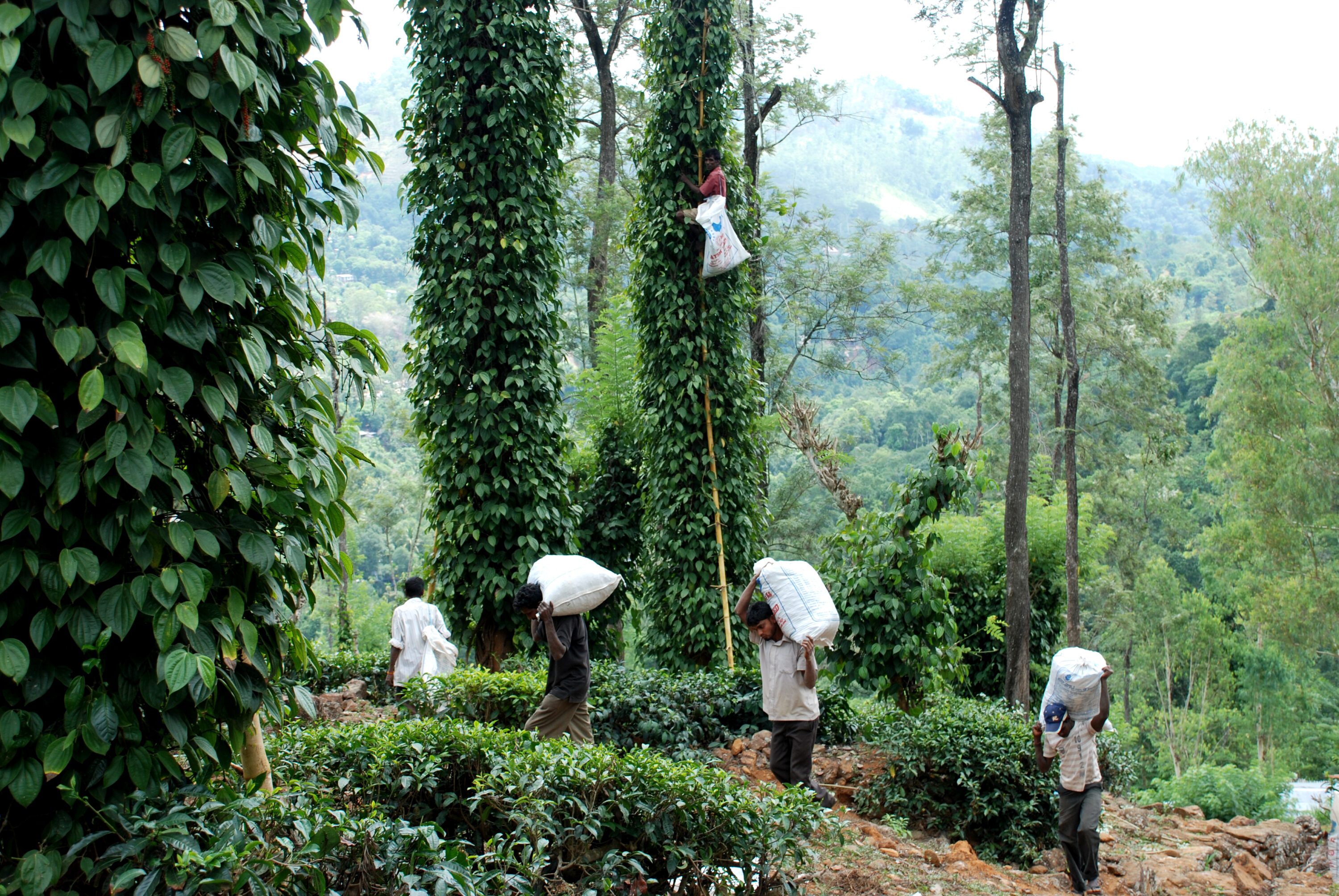
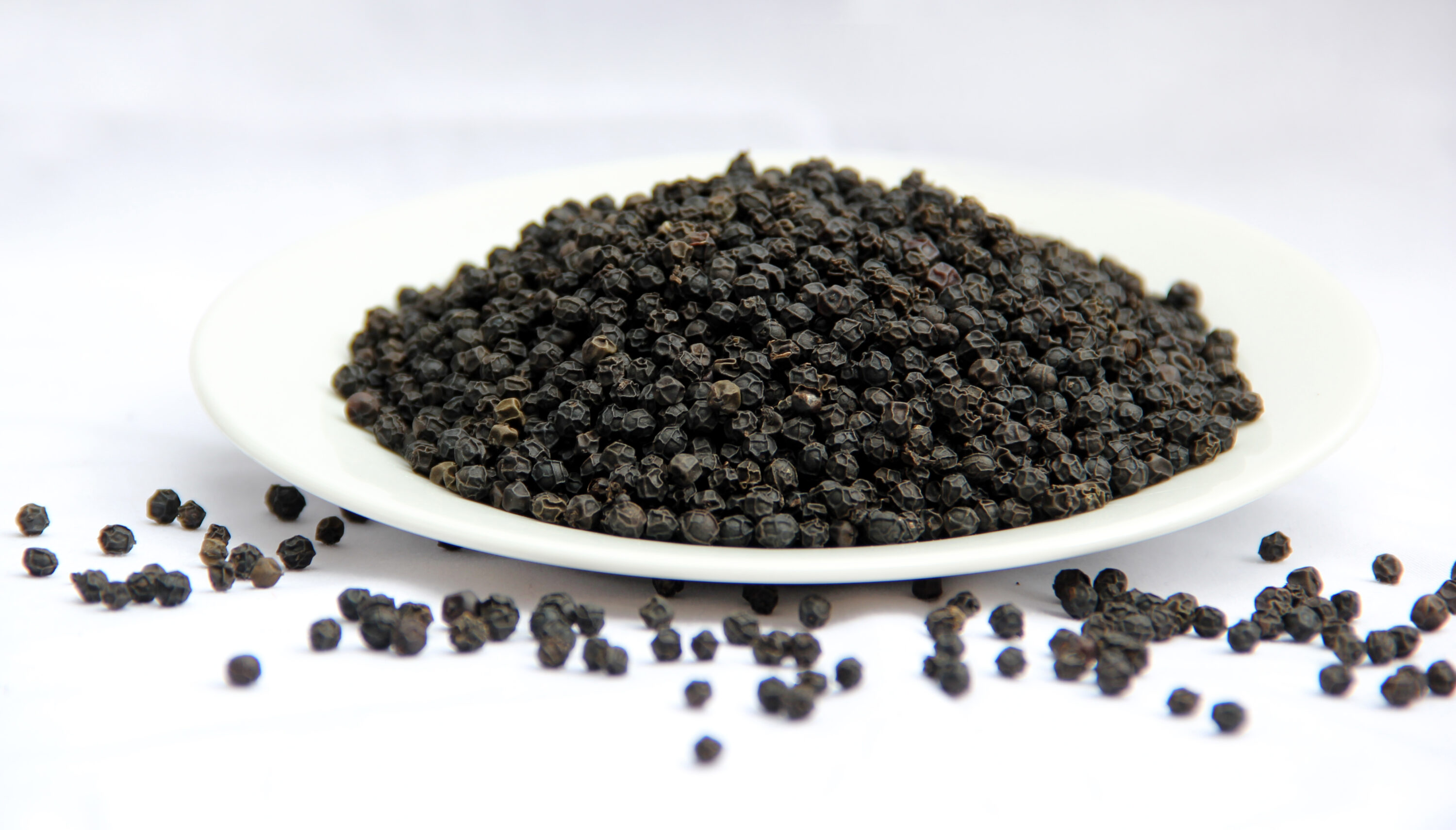
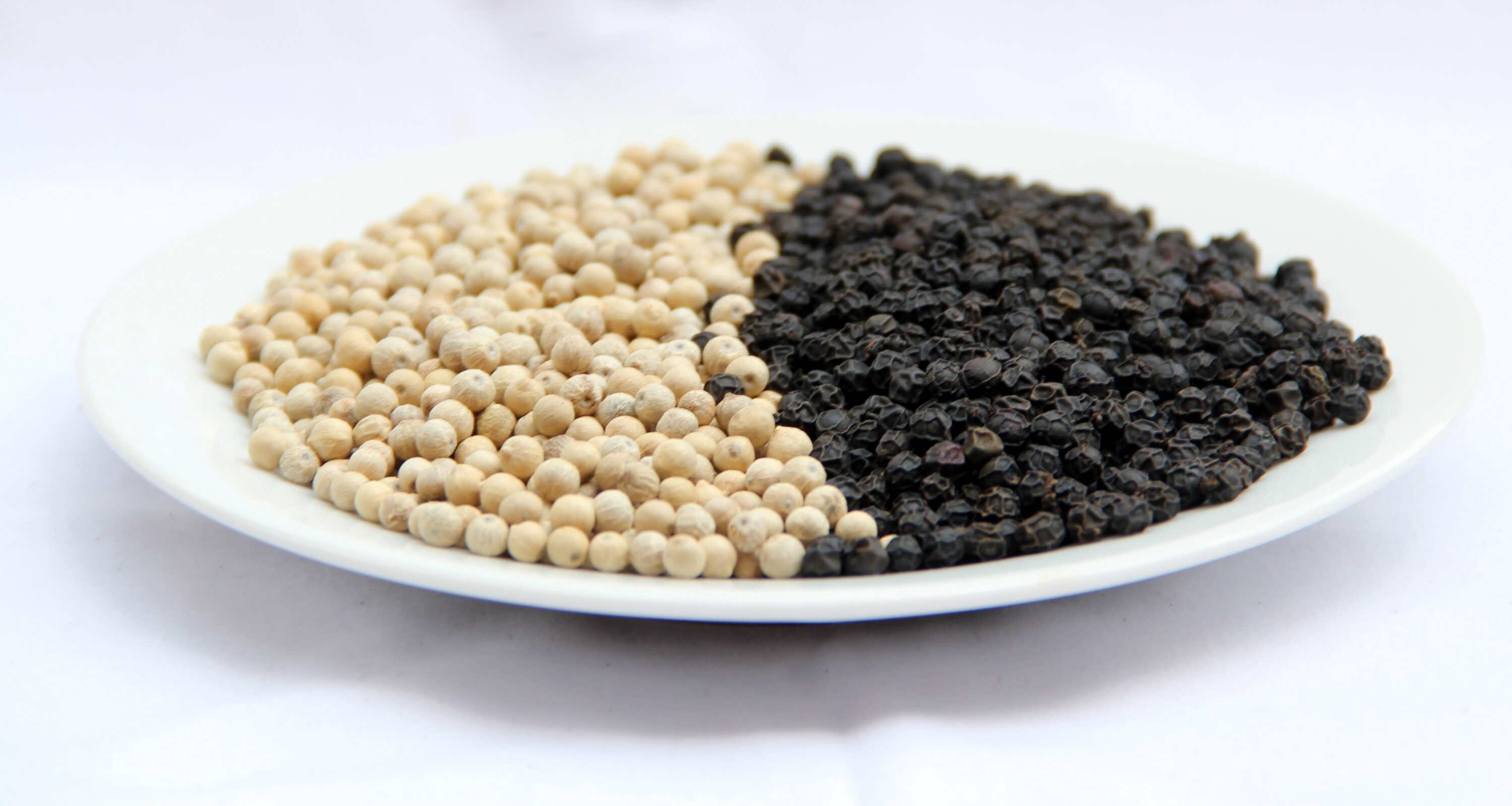
The Department of Export Agriculture provides certified planting material, training in GAP, pest management solutions, and post-harvest technology to improve export competitiveness. Farmers are also supported with subsidies and advice on intercropping systems.
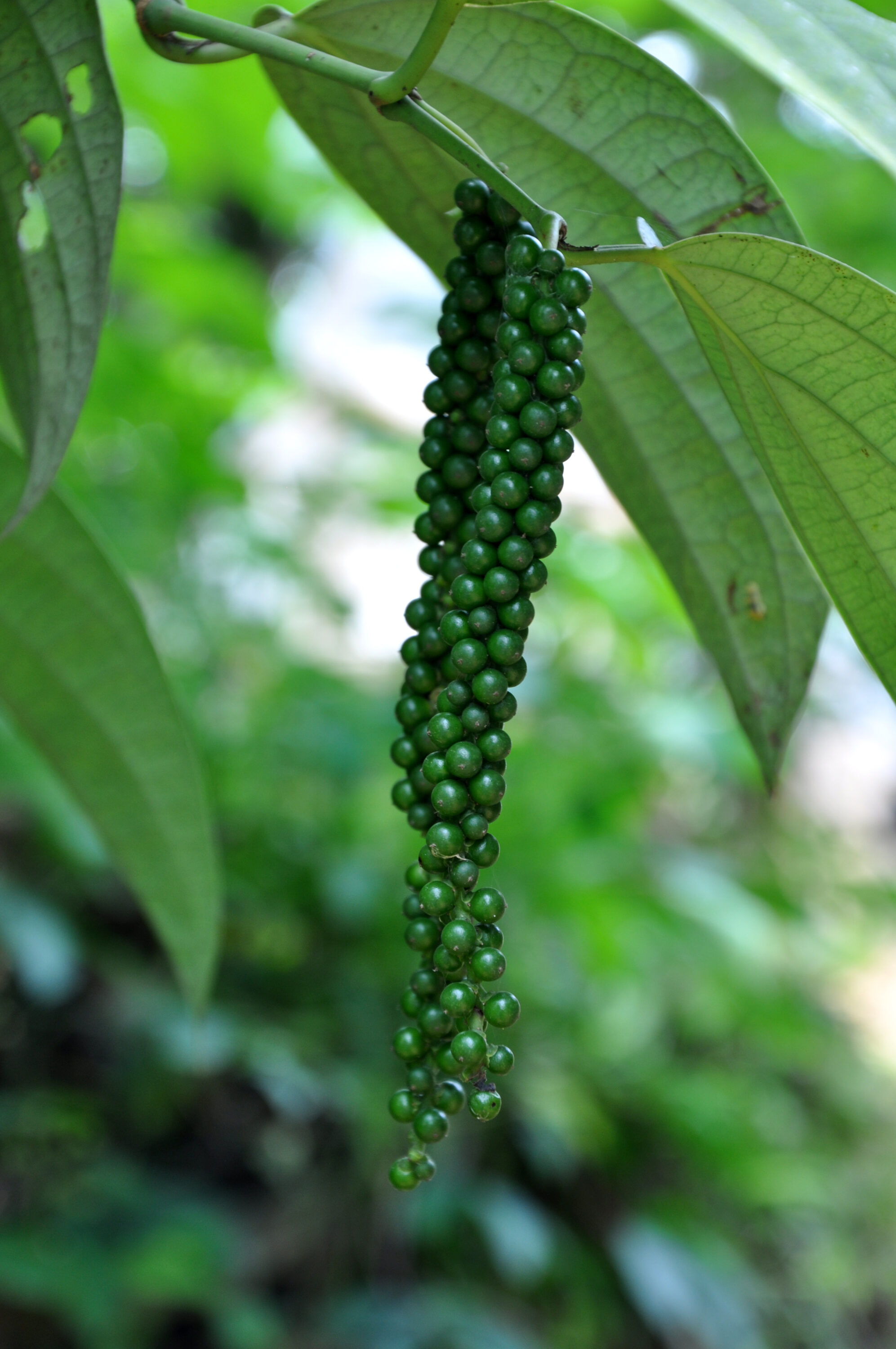
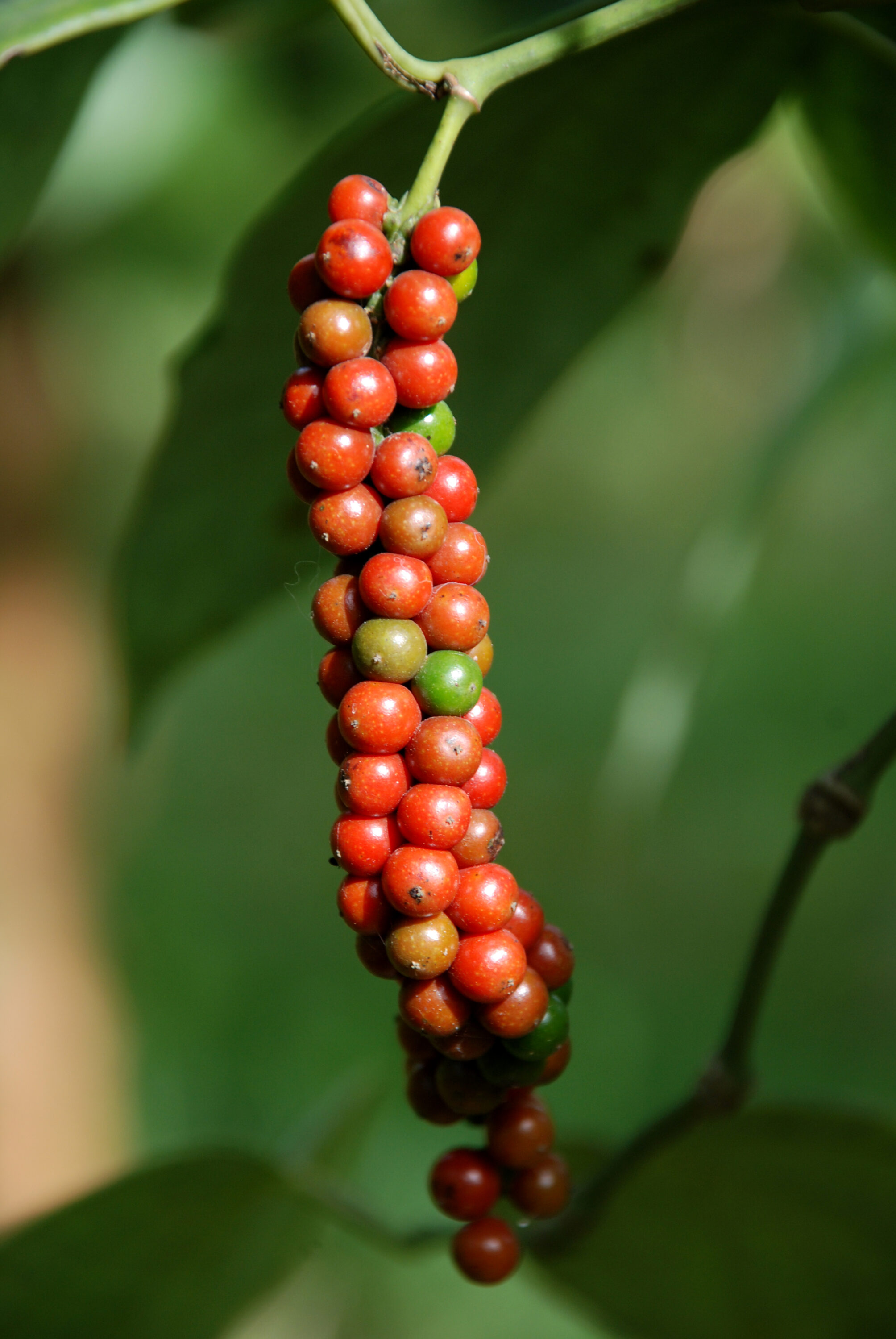
Pepper is rich in piperine, which enhances nutrient absorption, aids digestion, and acts as an antioxidant. In Ayurveda, it is used in “Trikatu,” a famous herbal formulation.
Sri Lankan pepper is considered to have the highest piperine content in the world, giving it stronger flavor and aroma compared to pepper from other countries.